
Plants Coloring Pages
Last Updated:
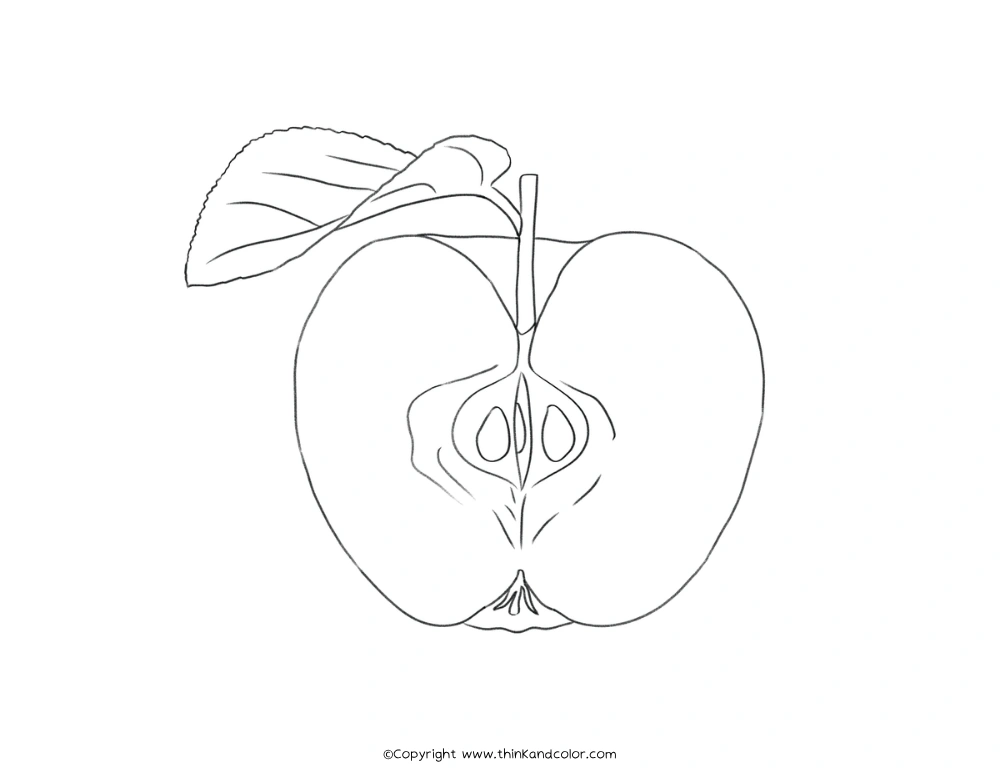
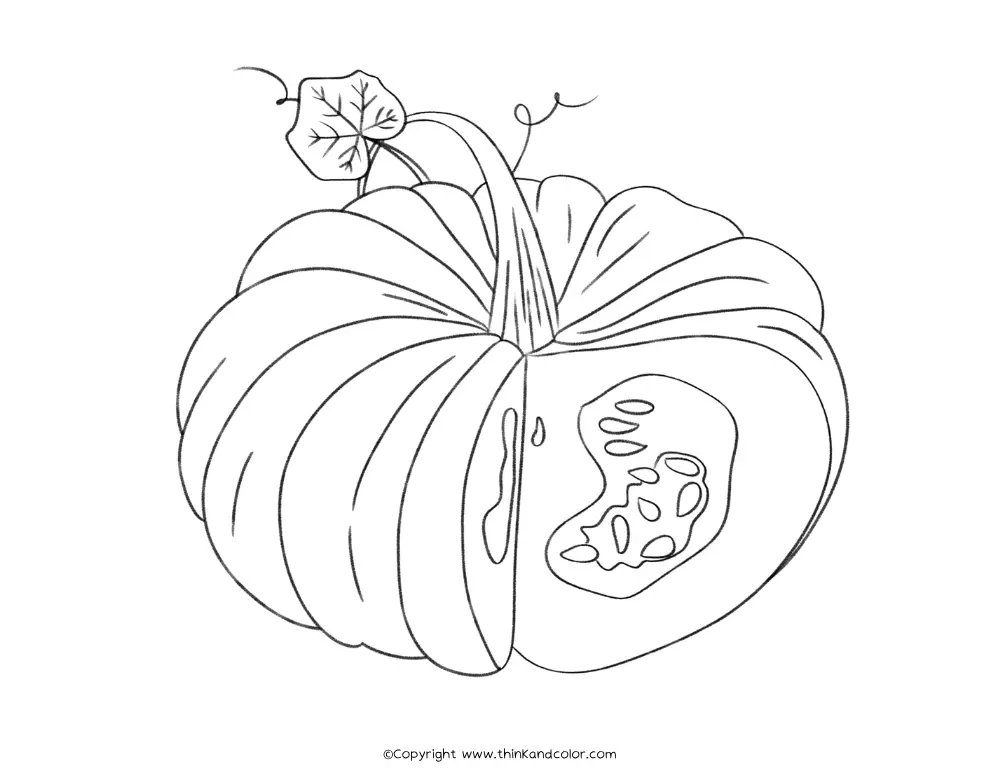
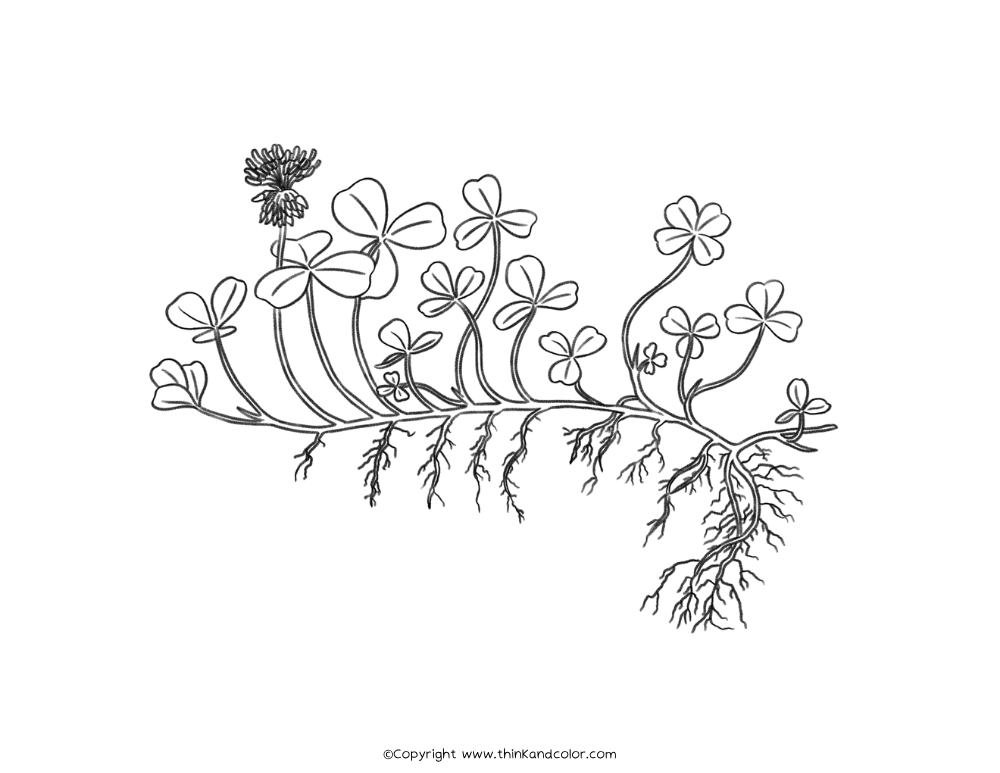
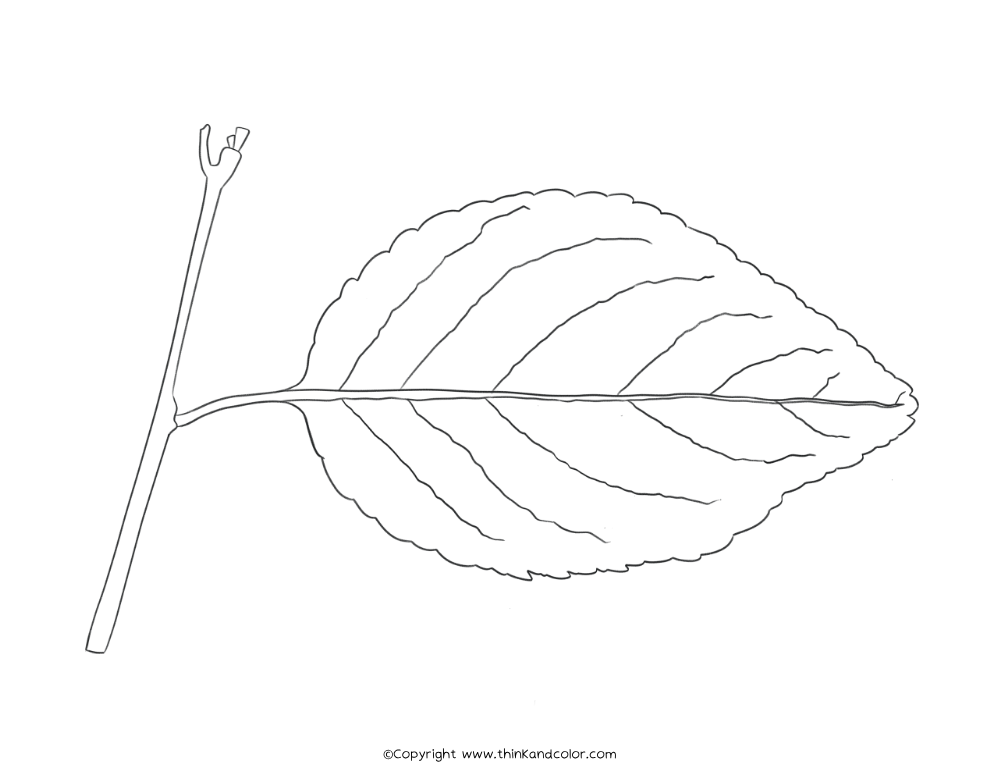

Trees
(0)
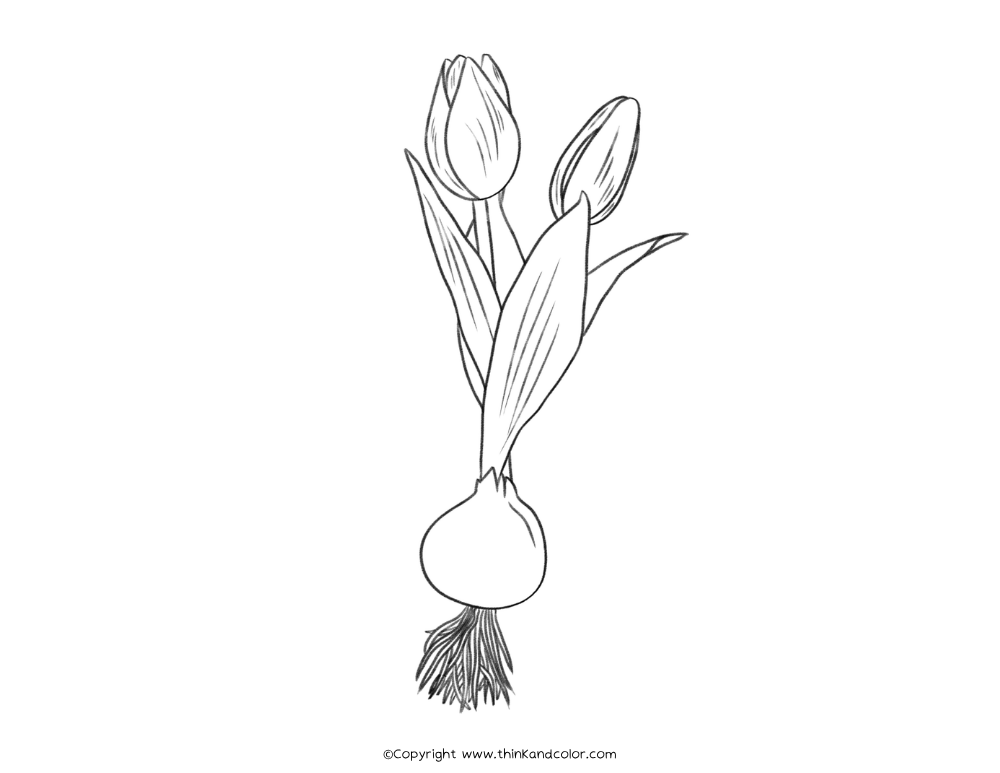
Flowers
(0)
Seeds
(1)
Ferns & Mosses
(0)
Discover the Plant World
Plants are all around us, from tiny seedlings pushing through the soil to enormous trees growing for decades. Flowers, leaves, fruits, vegetables, grasses, and trees all have their own shapes and characteristics to discover. Explore our growing collection by choosing a plant or browsing one of our categories.
Plants and Their Habitats
Plants grow in many different environments. A cactus can survive in a dry desert, while water lilies grow on the surface of ponds and other aquatic environments. Forest trees, meadow flowers, garden vegetables, and tropical plants all have different requirements for growing successfully.
The place where a plant grows can tell us a lot about it. The amount of sunlight, water, temperature, and available space can influence how a plant develops. Some plants have broad leaves that capture plenty of sunlight, while others have structures that help them conserve water.
As children explore our plant coloring pages, encourage them to think about where each plant might grow. After coloring a favorite flower, tree, fruit, or vegetable, they can draw the environment around it, find other plants that grow in the same place, or learn what conditions that plant needs.
Color, Observe, Discover
Coloring gives children a chance to look closely at details they might otherwise miss — the veins running through a leaf, the petals surrounding a flower, the shape of a tree’s branches, or the different parts of a vegetable growing from the soil.
Learn While You Color
Many of our plant printables go beyond coloring. Explore activities that encourage children to observe nature, learn new vocabulary, and discover how plants grow.
You may discover:
- Plant anatomy
- Life cycles
- Seeds and sprouts
- Flowers
- Fruits and vegetables
- Leaves and stems
- Garden activities
- Nature facts
- Printable worksheets
- Tracing activities
- Handwriting practice
- Plant vocabulary
Every activity gives children another way to explore the plants they see in the world around them.
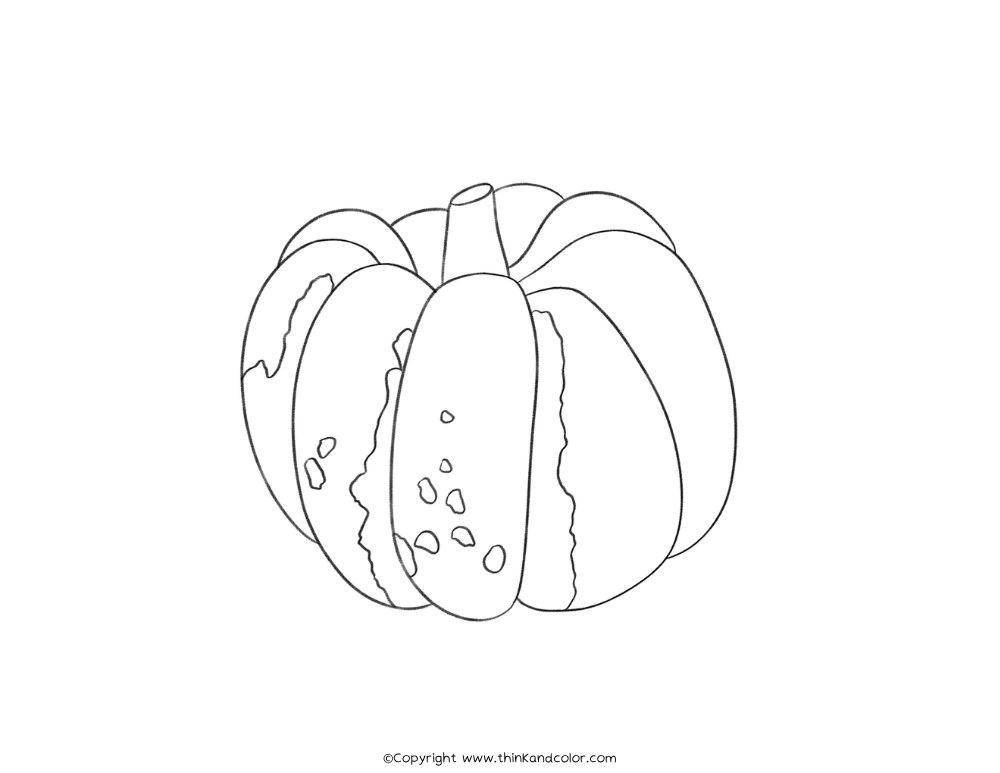
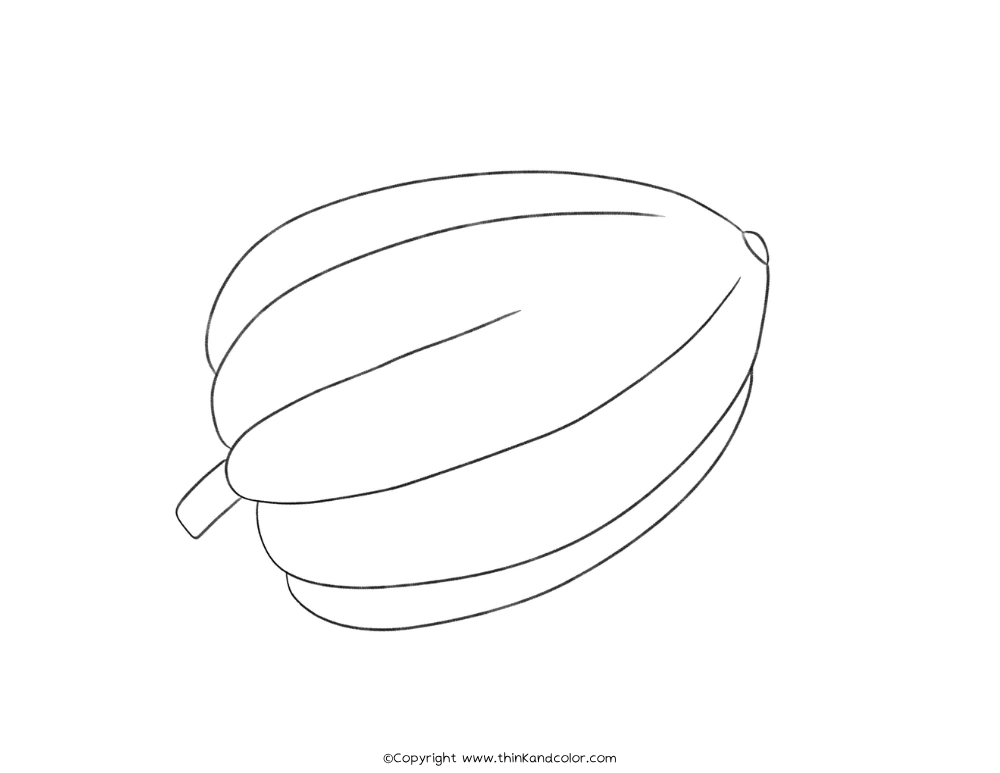
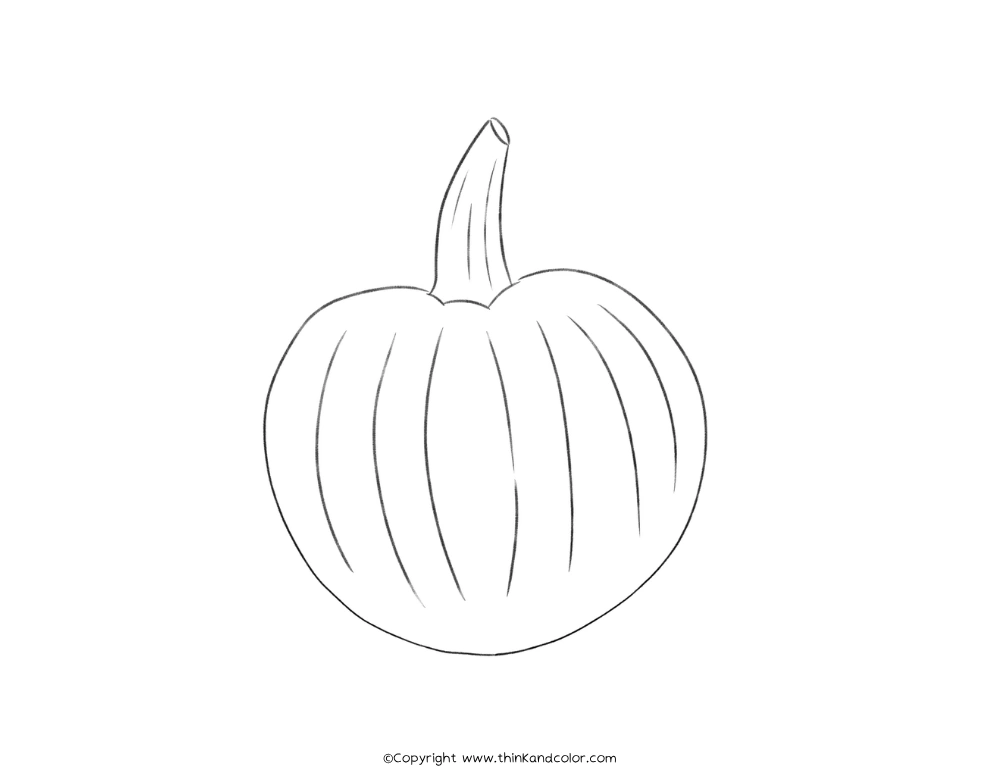
Featured Plants Coloring Pages

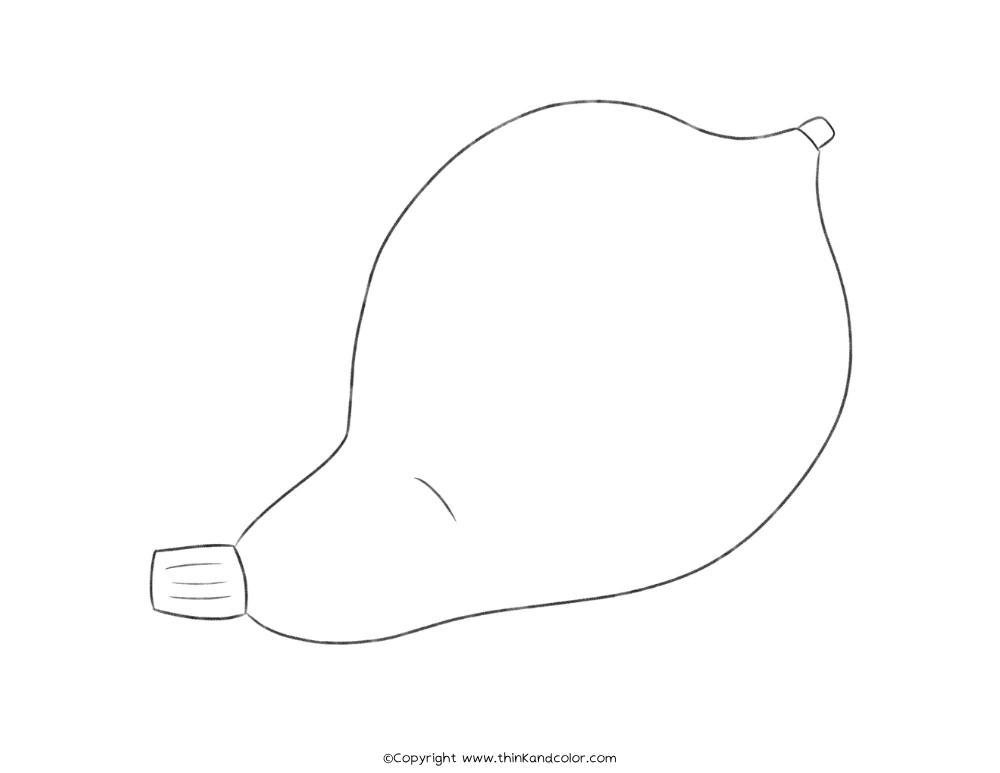
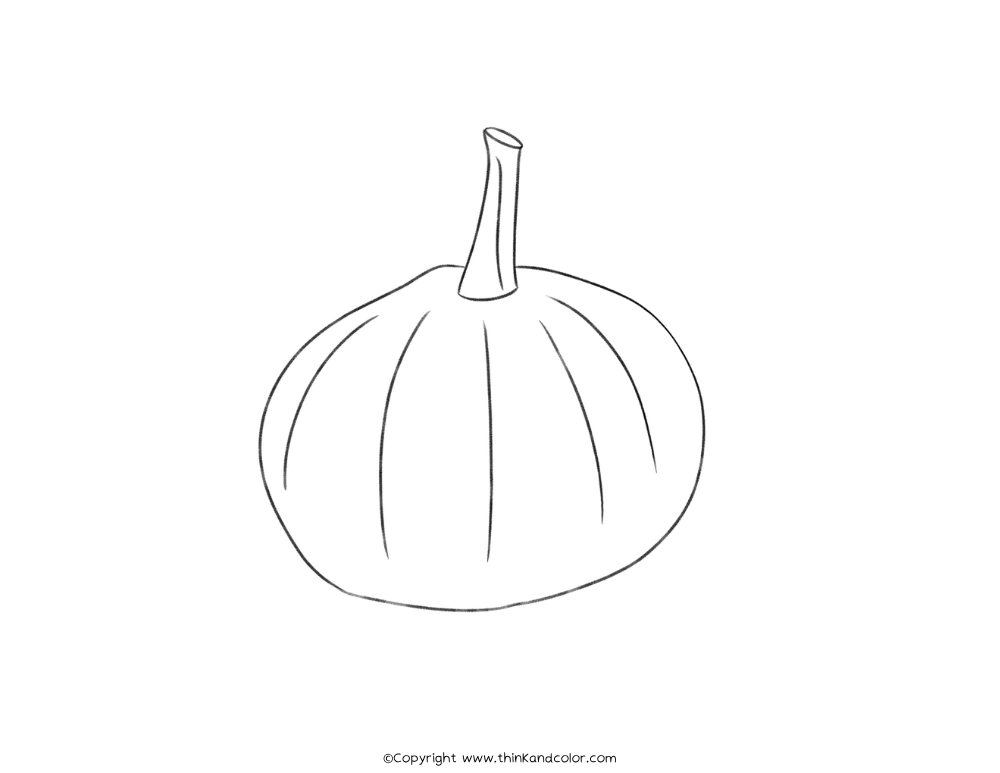
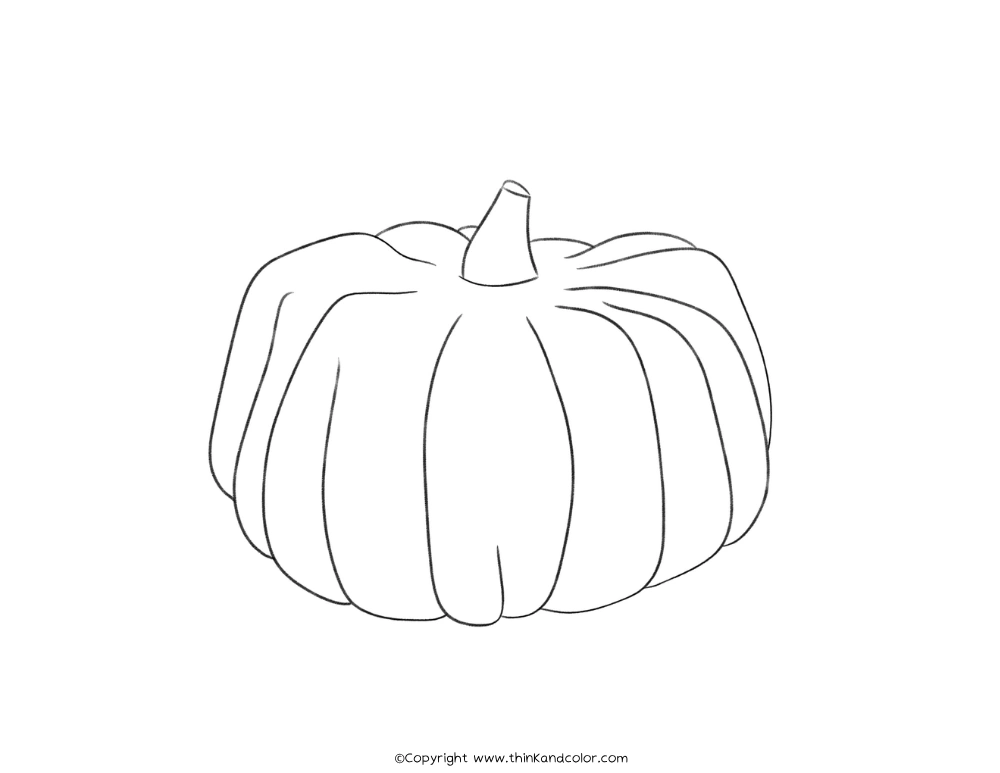
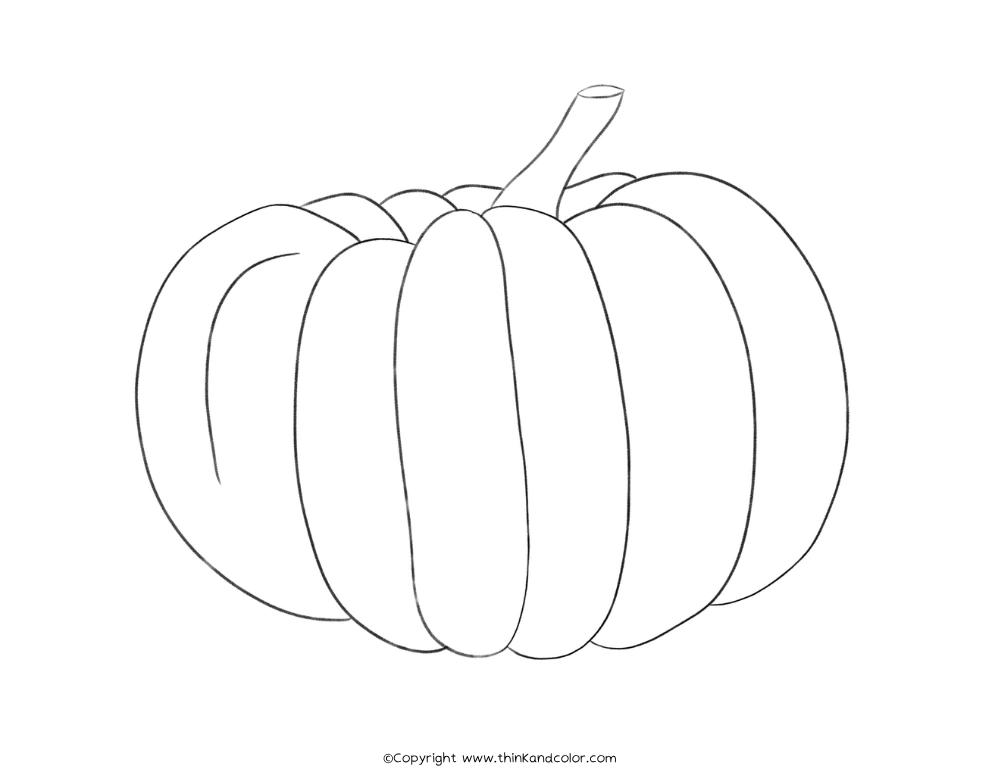
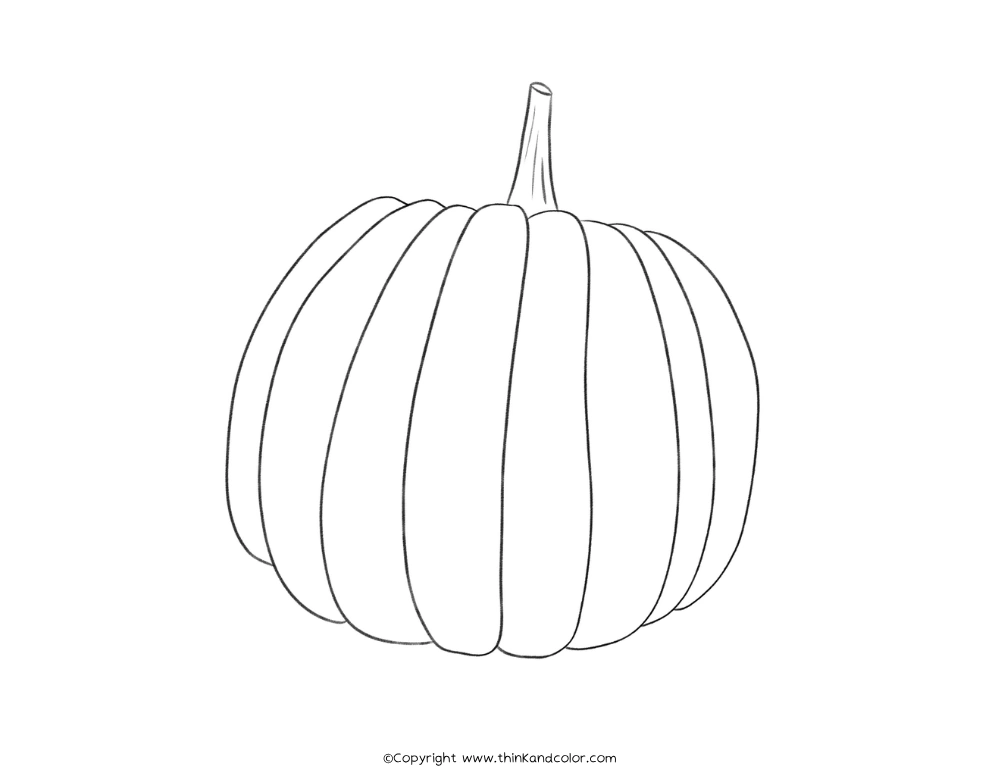
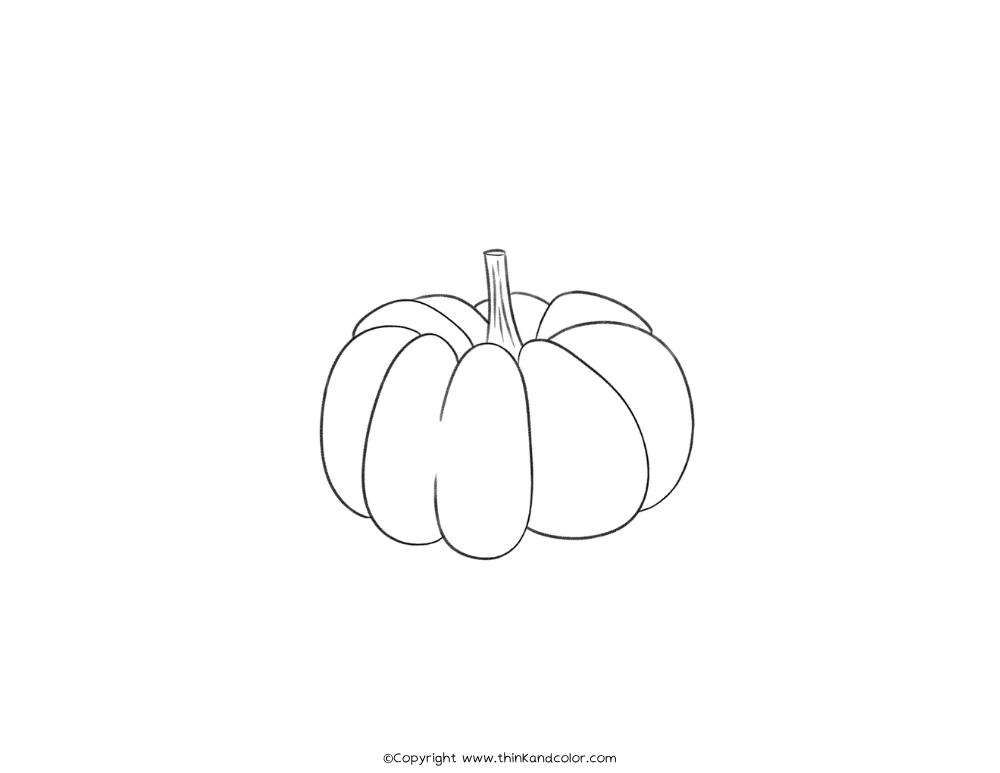
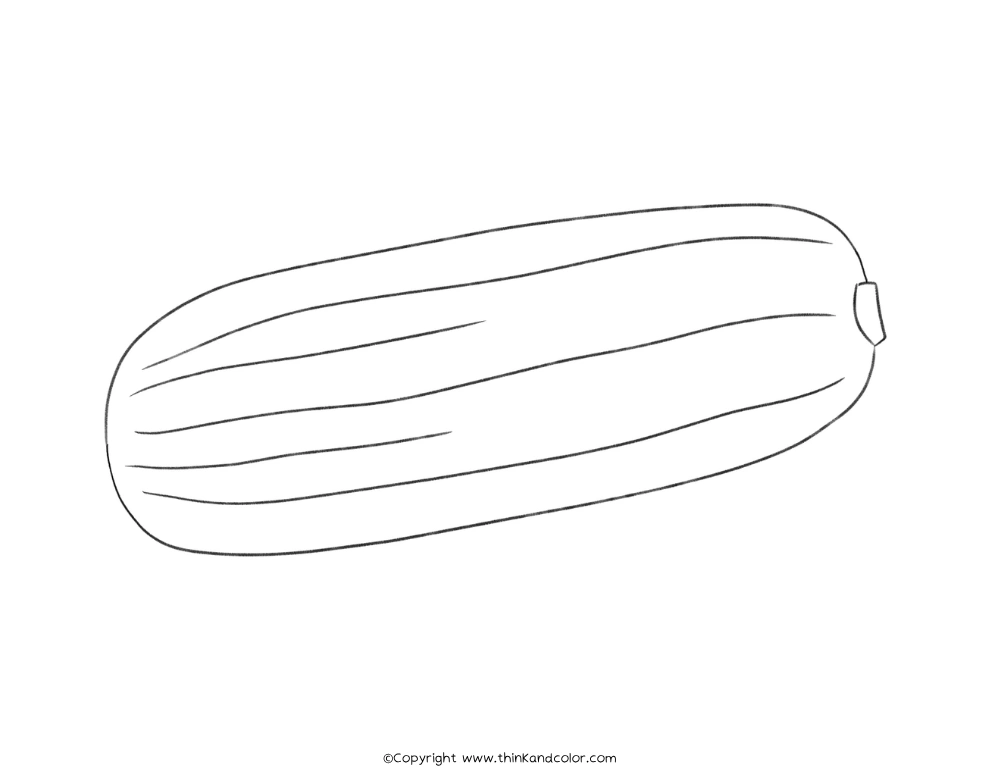
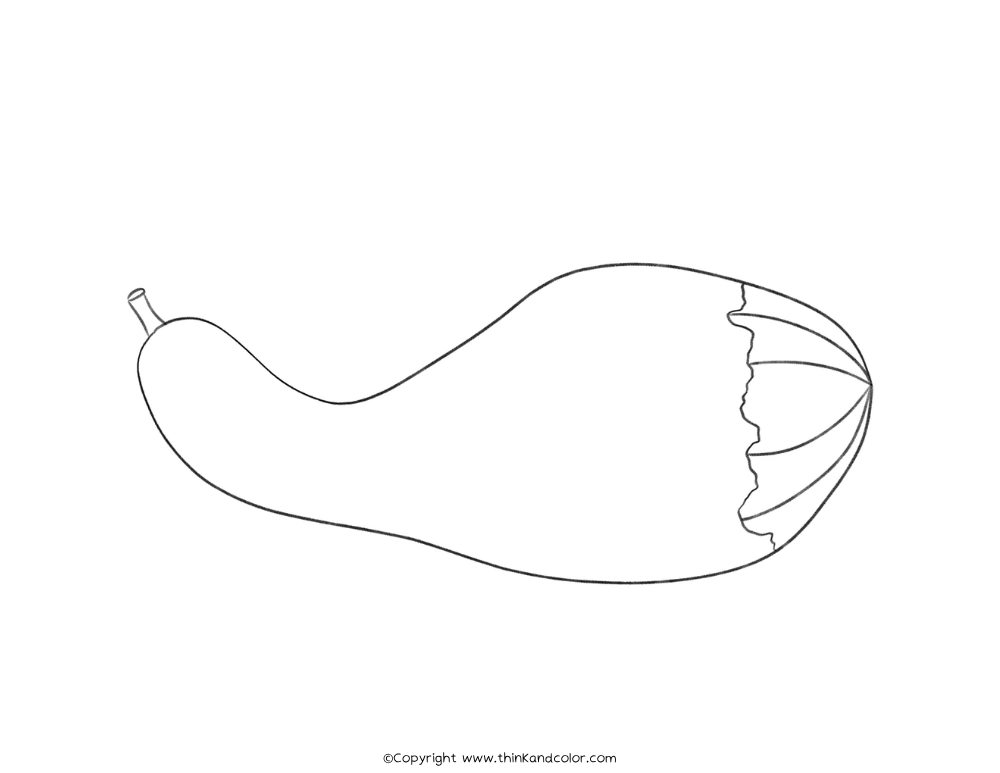
How to Print and Use Our Plants Coloring Pages
Getting started is simple:
- Browse or search for the plant coloring page you want using our search bar or category menu.
- Open the plant coloring page you like and click the download button to save the print-ready PDF.
- Print it at home using standard printer paper, or choose cardstock if you want a sturdier page.
- Let children color using crayons, colored pencils, markers, or other favorite art supplies.
Pro tip: Every page is provided as a PDF, so you can print it at the intended size without having to resize the illustration first. Plants coloring pages also work well as black-and-white classroom activities, so children can focus on the artwork rather than needing a color printer.
Tips for Making Coloring Time Even Better
- Create a nature table. Collect safe natural objects such as fallen leaves, seed pods, or twigs and place them beside the coloring supplies. Children can examine the real objects while working on their pages.
- Pair coloring with gardening. After coloring a plant, look for the same type of plant in a garden, park, or local nursery. Talk about what the real plant looks and feels like.
- Try a plant theme. Spend one day exploring flowers, another looking at trees, and another learning about fruits or vegetables. Children can build a collection as they go.
- Display the finished plants. Create a classroom or home nature gallery by hanging completed coloring pages together. Group flowers, trees, fruits, and vegetables into different sections.
- Experiment with textures. Try crayons, colored pencils, markers, watercolor pencils, or other art materials. Children can see how the same plant illustration changes depending on the medium.
Hand-Drawn by Real Artists
Every coloring page and worksheet in our library starts with a hand-drawn illustration created by a real artist. Each plant is carefully sketched, refined, and finalized with attention to the shapes and recognizable characteristics of the subject.
We believe this matters for educational resources. When children use a plants coloring page while learning, the illustration should give them a useful representation of what they are studying rather than an arbitrary or distorted version.
Working from real references also allows the illustrations to include the small details that make different plants recognizable, from the arrangement of leaves to the shape of flowers, fruits, and other structures.
Realistic, Accurate Illustrations
Our plants coloring pages are designed to represent recognizable plants, with attention to their characteristic shapes, structures, and details. A sunflower should have the familiar form of a sunflower, a pumpkin should look like a pumpkin, and a particular tree or flower should retain the features that help children identify it.
This makes the collection useful beyond simple coloring time. The pages can also serve as visual companions for nature studies, gardening activities, homeschool lessons, and classroom units about plants.
Frequently Asked Questions
Are these plants coloring pages really free?
Yes. Every coloring page on our site is completely free to download and print for personal and classroom use.
What age group are these coloring pages designed for?
Our plants coloring pages can be used with a wide range of ages. Younger children can practice basic coloring and plant recognition, while older children can use the illustrations alongside nature studies and science activities.
Can teachers and homeschoolers use these coloring pages for lessons?
Absolutely. Plant coloring pages can accompany lessons about plant parts, life cycles, gardens, habitats, seasons, fruits, vegetables, flowers, and trees.
Do I need to create an account to download coloring pages?
No account or sign-up is required. Each printable is available as a free, print-ready PDF.
Will new plants coloring pages be added regularly?
Yes. The plant collection will continue to grow with new flowers, trees, fruits, vegetables, and educational plant activities.
Start Coloring Today
From colorful flowers and leafy trees to familiar fruits and vegetables, the plant world offers endless subjects for children to explore. Browse the collection above, choose a favorite plant, and turn a simple coloring activity into a chance to observe and discover nature.
Looking for more? Explore our growing collection of nature-themed coloring pages and educational printables for more screen-free activities.