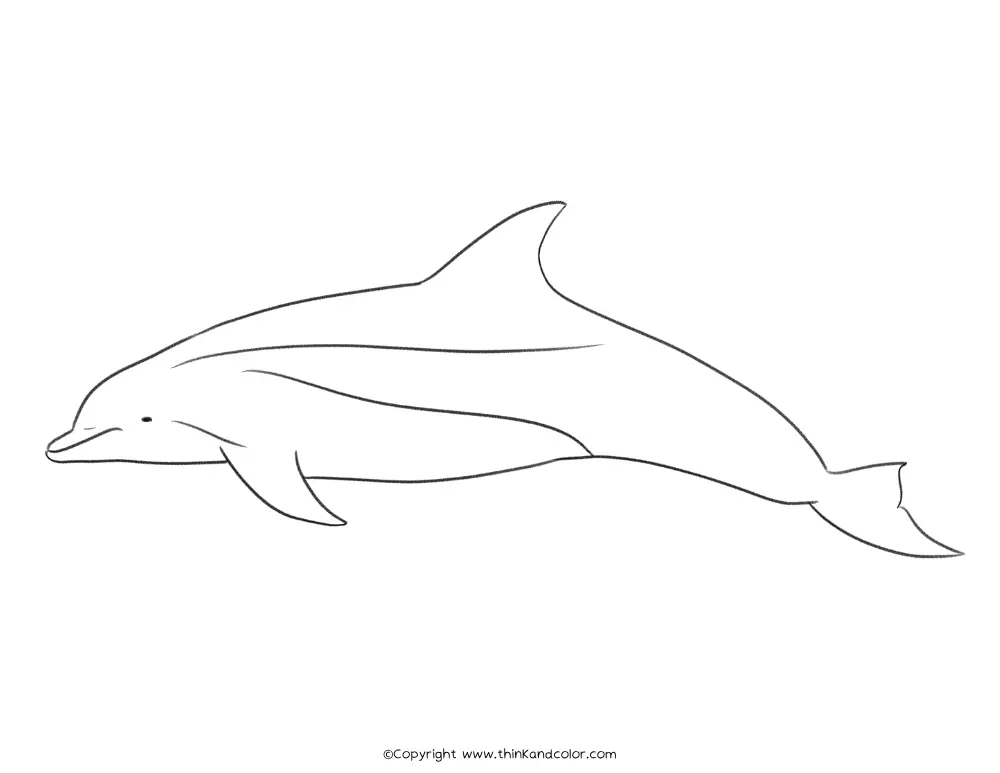
Dolphin Coloring Pages
Last Updated:
Dolphins are some of the most fascinating animals in the ocean. Known for their intelligence, playful behavior, and remarkable communication skills, these marine mammals live in oceans and rivers around the world. Whether leaping through the waves, caring for their calves, or working together to catch fish, dolphins have inspired curiosity for generations.
Our free printable Dolphin Coloring Pages combine creativity with learning, making it easy for children to explore these amazing animals while enjoying hands-on activities at home or in the classroom.
Types of Dolphins
Educational Coloring Pages
Educational Worksheets
Tracing
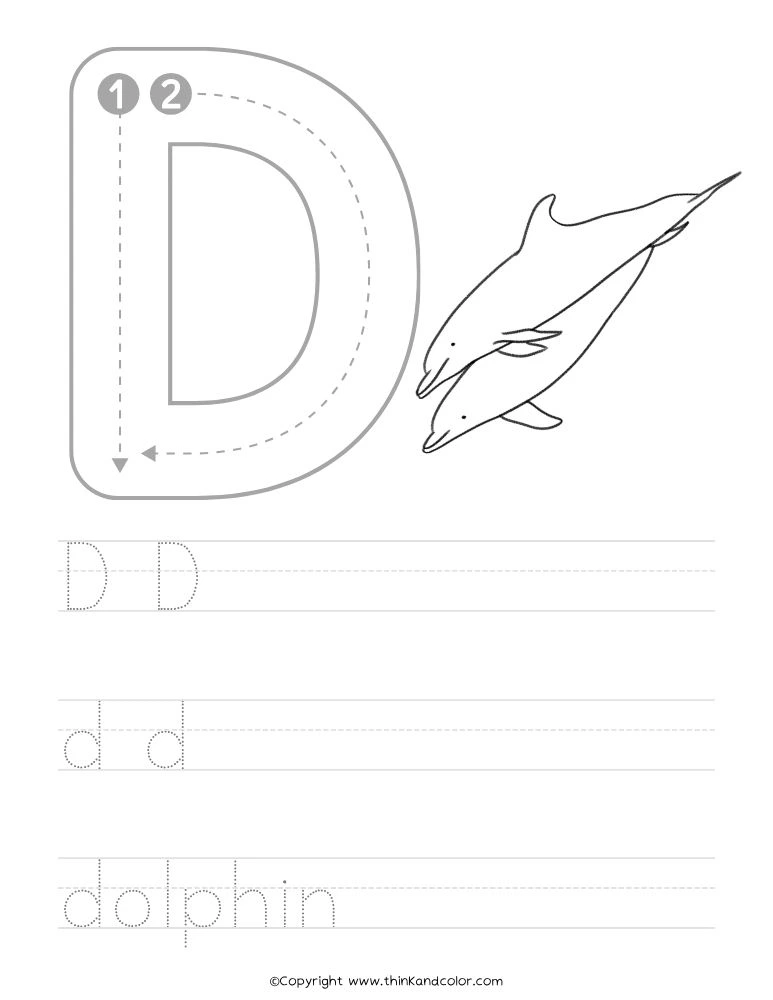
Dolphin Handwriting
Discover the World of Dolphins
There are more than 40 species of dolphins, ranging from the familiar common bottlenose dolphin to colorful river dolphins and speedy spinner dolphins. Although they all belong to the same family, each species has unique features, habitats, and behaviors.
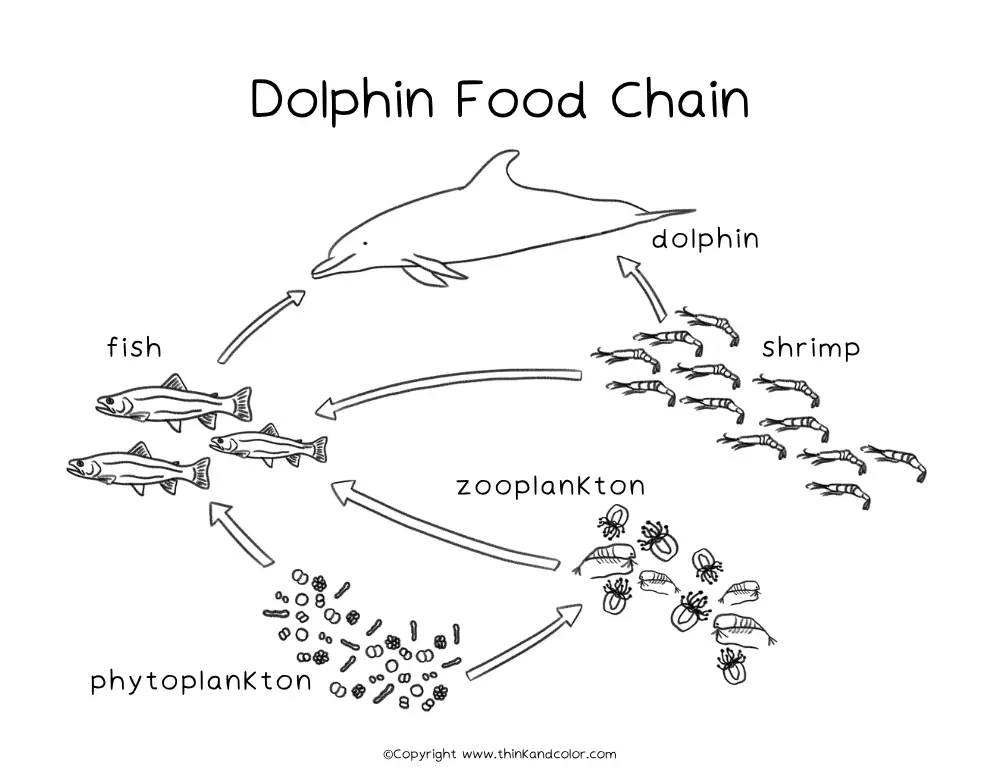
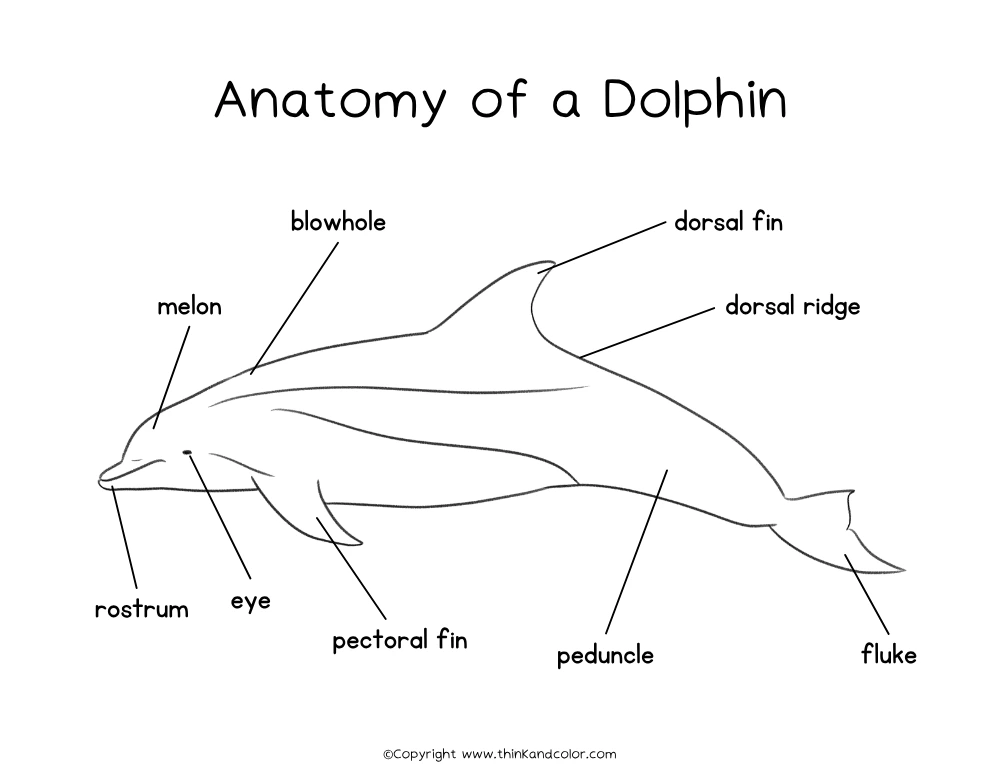
As you explore our collection, you’ll find coloring pages featuring different dolphin species along with educational printables that introduce anatomy, life cycles, food chains, and other marine science topics.
What Makes Dolphins Unique?
Dolphins are famous for their intelligence and cooperation. They live in family groups called pods, where they communicate using whistles, clicks, and body movements. Many dolphins work together to surround schools of fish, making hunting more successful for the entire group.
One of their most impressive abilities is echolocation. Dolphins produce clicking sounds that bounce off nearby objects and return as echoes. By interpreting these echoes, dolphins can locate prey, avoid obstacles, and navigate even in dark or cloudy water.
Their streamlined bodies, powerful tail flukes, and flexible flippers allow them to swim efficiently, leap above the surface, and travel many miles each day.
Exploring Different Dolphins
Although dolphins share many characteristics, every species has its own appearance, habitat, and behavior. Some dolphins have long, slender beaks, while others have rounded heads or distinctive markings. Some live near coastlines, while others spend their lives far from shore. Exploring different species helps children recognize that the natural world is filled with incredible diversity. As your collection grows, visitors can discover bottlenose dolphins, spinner dolphins, common dolphins, river dolphins, and many other fascinating species through individual coloring pages.
Where Do Dolphins Live?
Dolphins can be found in nearly every ocean, from warm tropical waters to cooler coastal regions. Some species spend most of their lives in the open ocean, while others stay close to shore in bays, estuaries, and coastal habitats. A few species, such as the Amazon river dolphin, even live in freshwater rivers.
The environment where a dolphin lives influences its diet, behavior, and appearance. Coastal dolphins often hunt in shallow waters, while offshore species may travel long distances across the open sea in search of food.
How Dolphins Are Adapted to Ocean Life
Every part of a dolphin’s body is designed for life in the water. Its streamlined shape reduces resistance as it swims, allowing it to move quickly and efficiently through the ocean. Strong tail flukes provide the power needed to propel the dolphin forward, while the flippers help with steering and balance. Dolphins breathe through a blowhole located on top of their heads, making it easy to take quick breaths each time they surface. One of their most fascinating adaptations is echolocation, a natural sonar system that allows dolphins to find food and navigate by listening to echoes that bounce back from surrounding objects.
Life in a Dolphin Pod
Dolphins are highly social animals that rarely live alone. Most species spend their lives in groups called pods, where they cooperate to find food, protect one another, and care for young calves. Dolphins communicate using a combination of whistles, clicks, and body movements, and researchers have discovered that many dolphins develop unique signature whistles that work much like names. Living in a pod allows dolphins to solve problems together and strengthens the bonds between family members.em to swim efficiently, leap above the surface, and travel many miles each day.
Why Learn About Dolphins?
Learning about dolphins introduces children to important ideas in biology, ecology, and conservation. As they color and observe different dolphins, they begin to recognize body structures, compare species, and understand how animals adapt to their environments.
Studying dolphins also provides opportunities to explore larger science topics such as marine habitats, food chains, life cycles, communication, and animal behavior. These connections help transform a simple coloring activity into a meaningful learning experience.
Learn While You Color
Coloring can be a wonderful way to encourage observation and curiosity. As children color different dolphin coloring pages, they can compare body shapes, fins, beaks, and markings while learning about marine habitats and ocean ecosystems.
Our dolphin coloring pages collection includes activities covering:
- Different dolphin species
- Dolphin anatomy
- Dolphin life cycles
- Ocean food chains
- Literacy worksheets
- Tracing activities
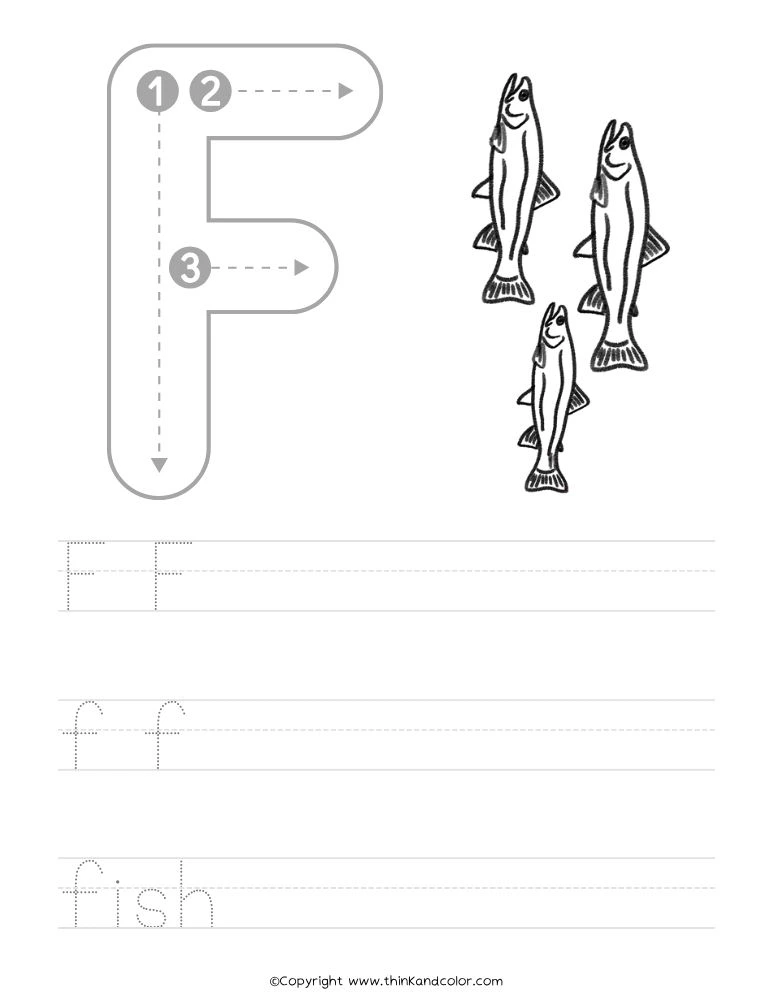
- Handwriting practice
- Word searches
- Math worksheets
Whether you’re studying ocean animals or simply looking for a fun printable dolphin coloring pages, there’s something for every young learner.