P is for Plant Worksheet
Last Updated:
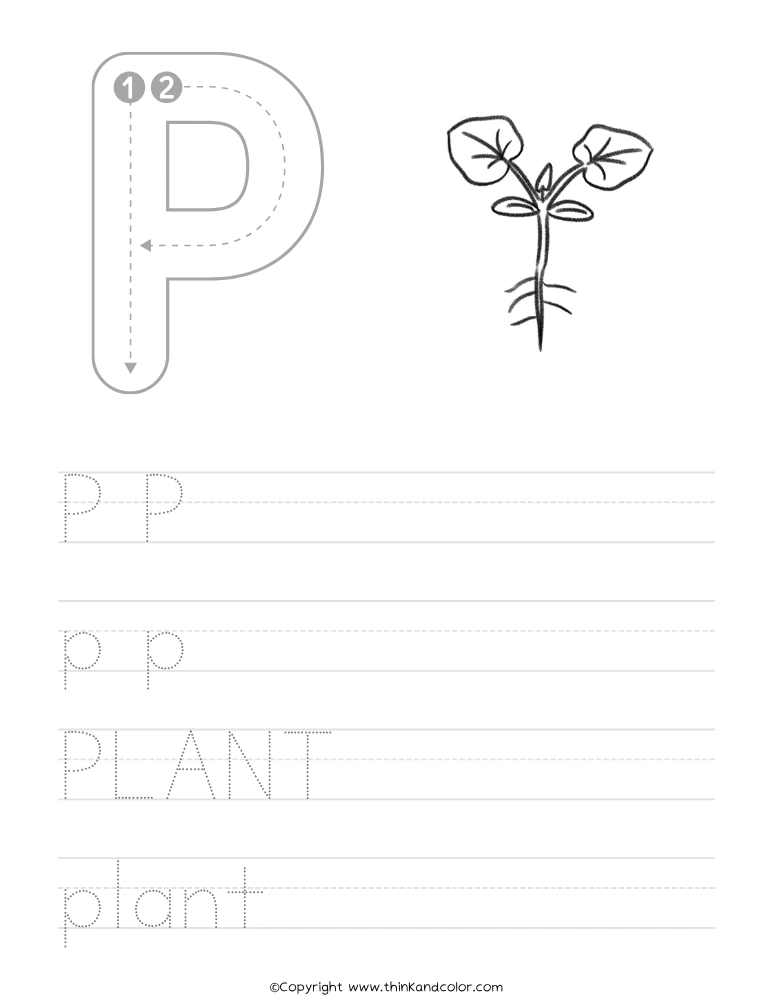
Practice the letter P with this free P Is for Plant Tracing Worksheet. Children can trace uppercase and lowercase P, practice forming the letter correctly, and work on writing the word plant.
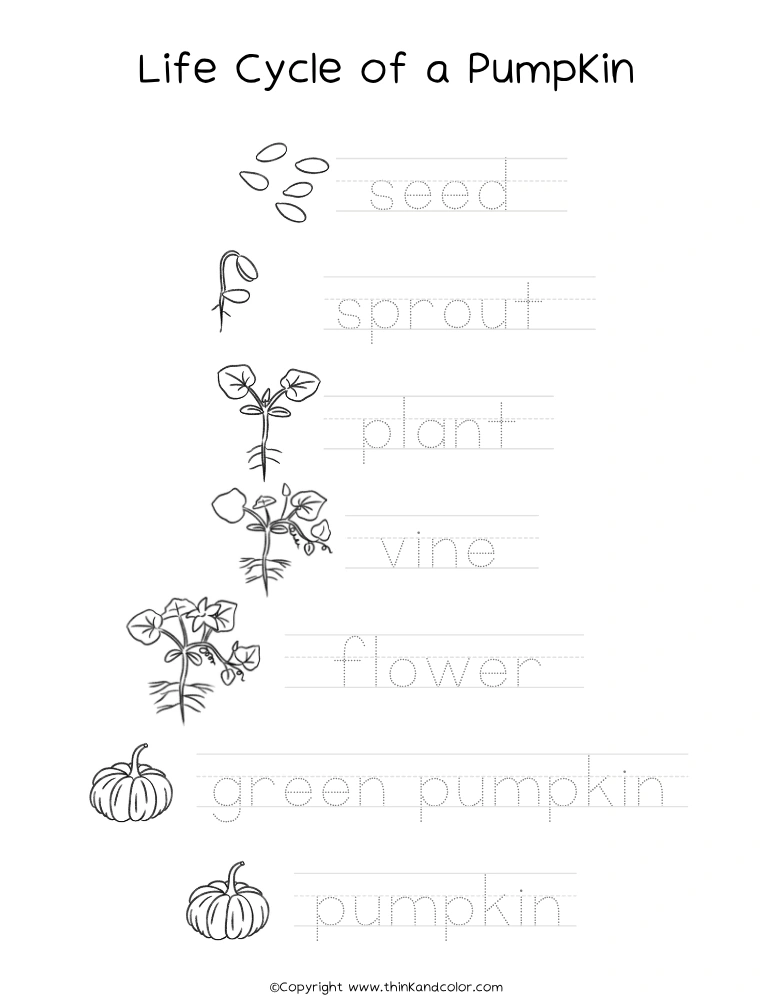
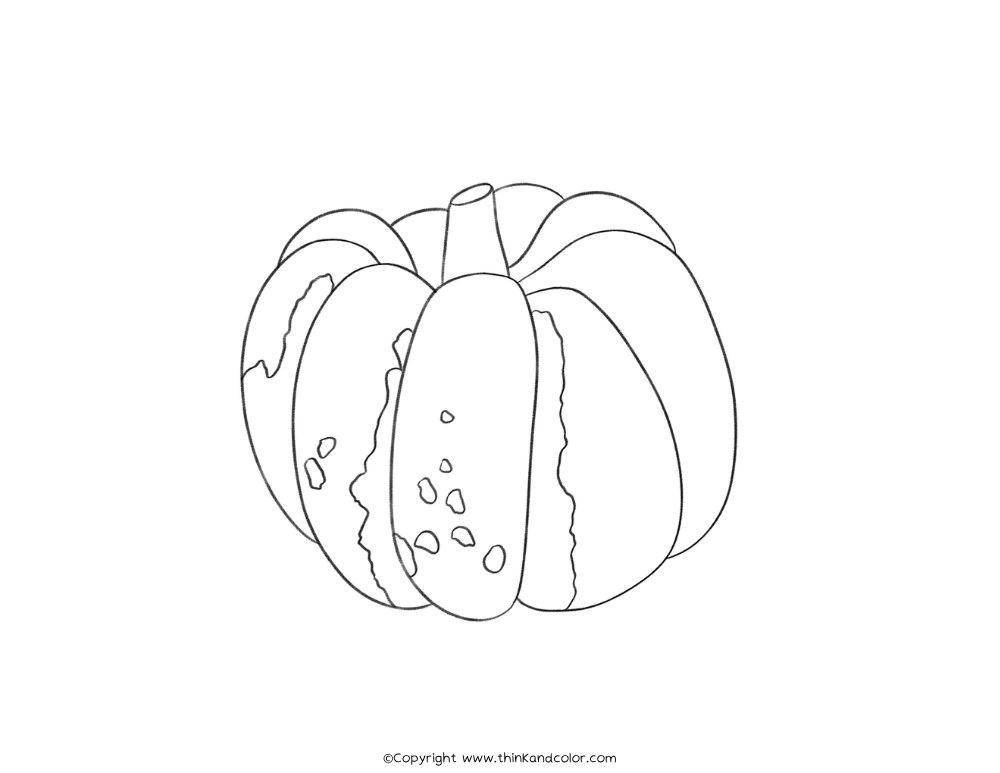
As children trace the letters and practice the word plant, they can look at the illustration and talk about how a small seed changes as it begins to grow. This makes the worksheet a simple way to combine handwriting, letter recognition, beginning sounds, and vocabulary development.
Learn About Plants
A plant is a living thing that grows in many different places, including gardens, forests, fields, and even some indoor spaces. Plants come in many shapes and sizes. Some are small, while others can grow into large trees. Flowers, vegetables, grasses, herbs, and trees are all examples of plants.
Many plants have important parts that help them grow. These can include roots, stems, leaves, flowers, fruits, and seeds. The different parts have different jobs and help the plant survive and reproduce.
Plants need certain things to grow, including water, sunlight, air, and suitable soil or another growing environment. As a plant grows, it can change significantly from a small seed or young plant into a much larger and more developed plant.
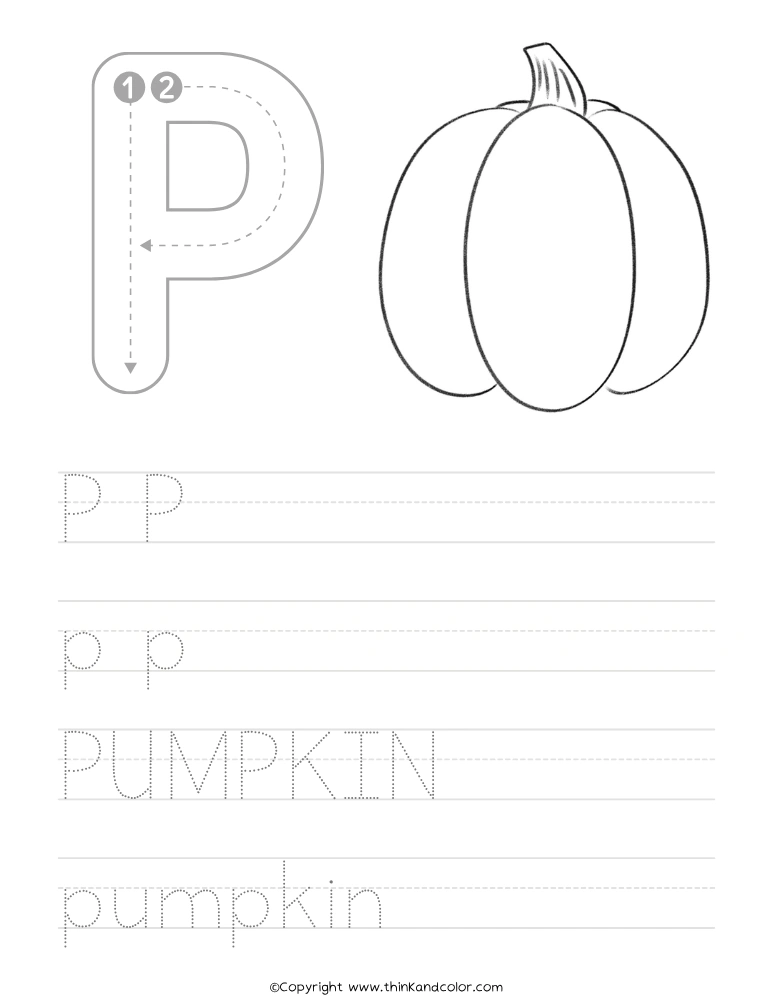
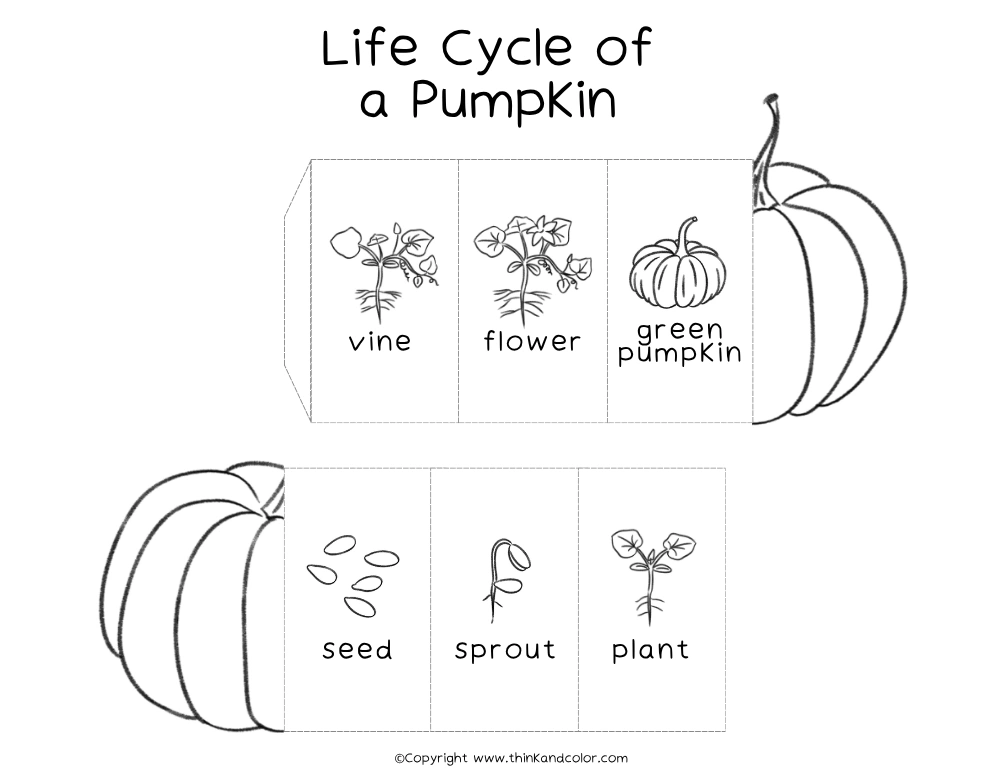
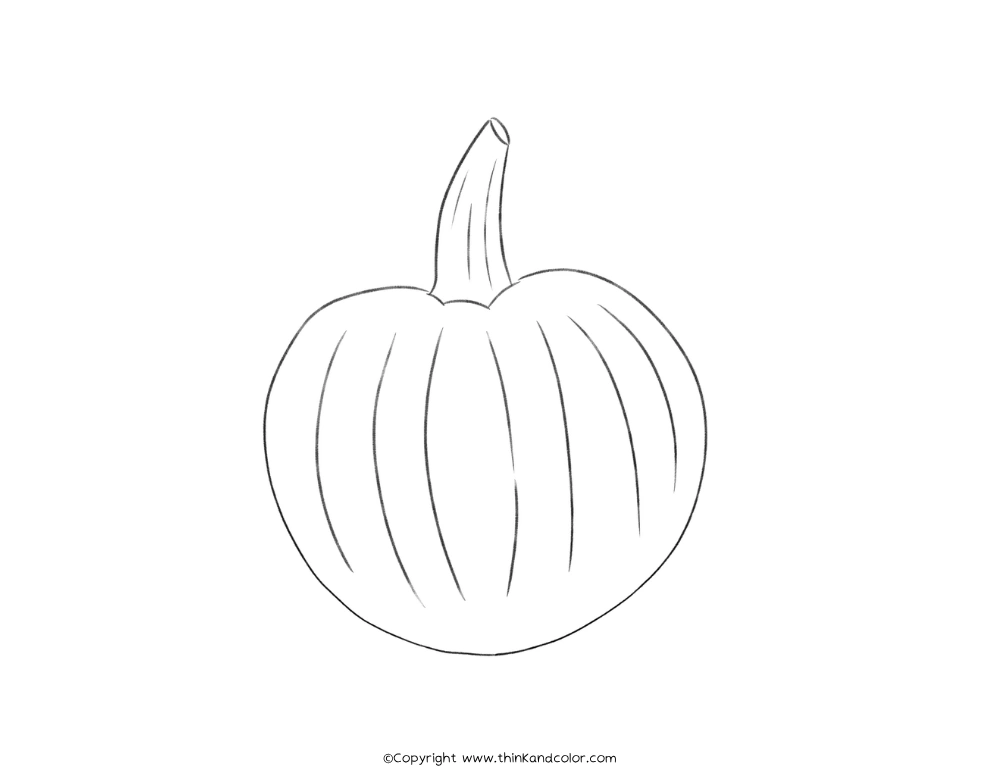
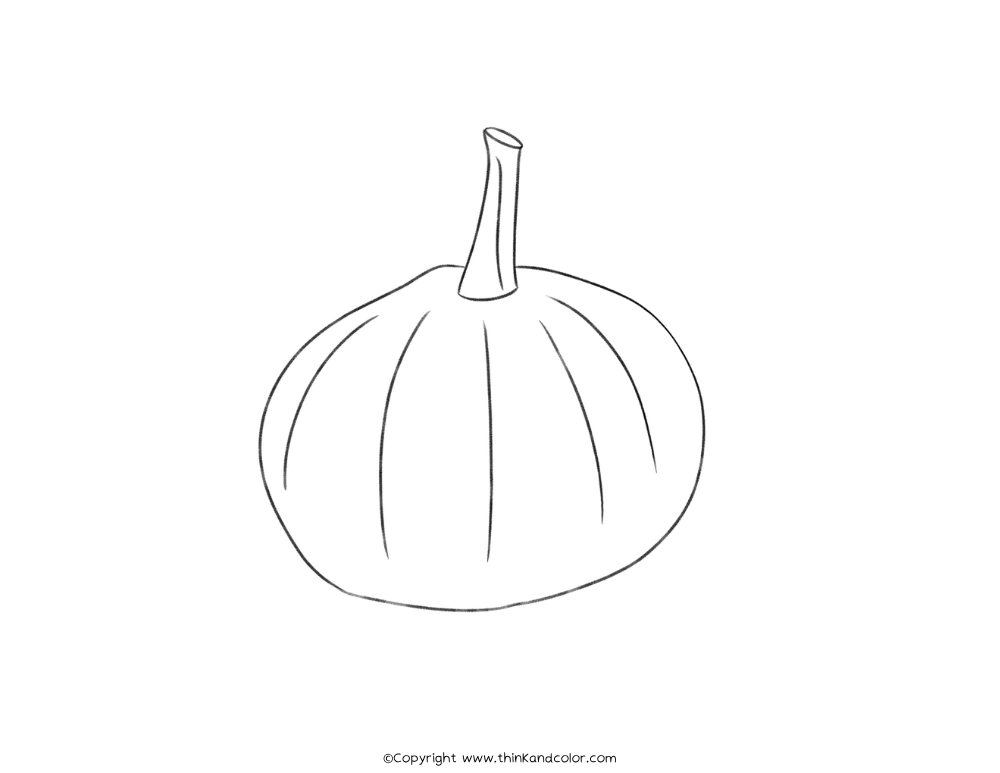
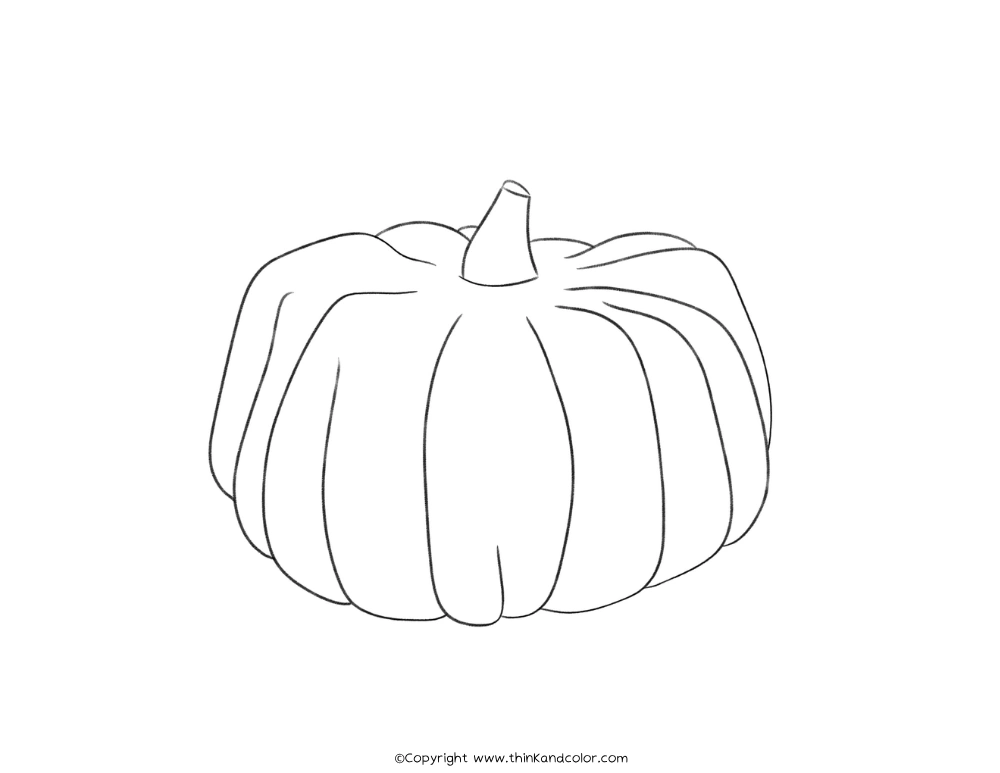
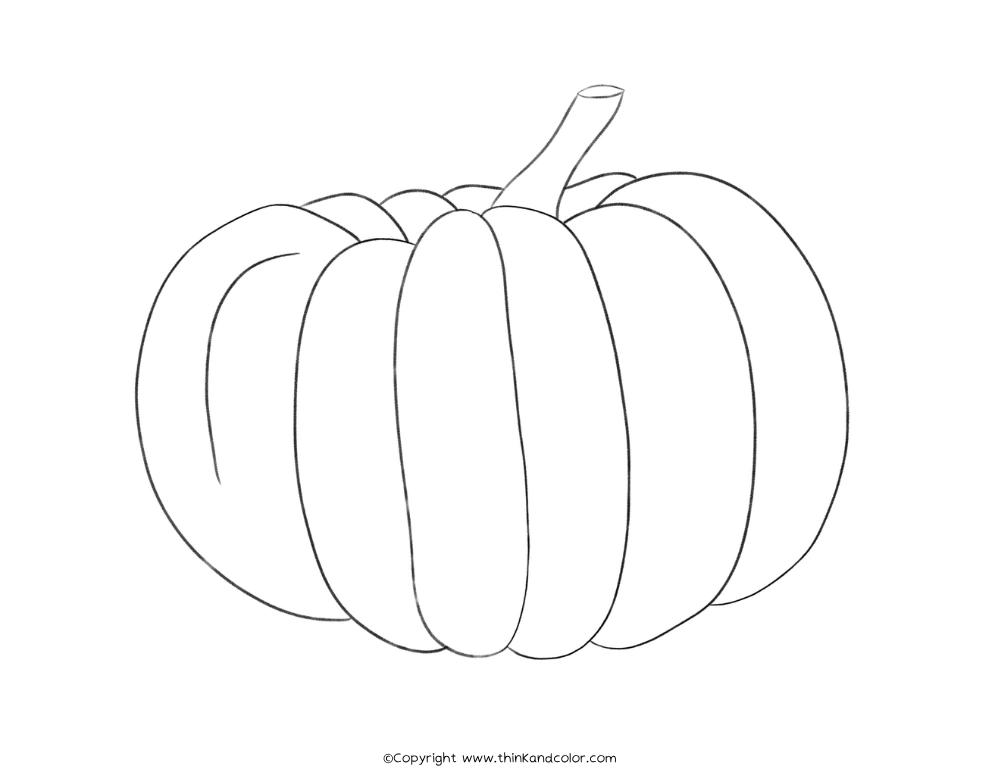
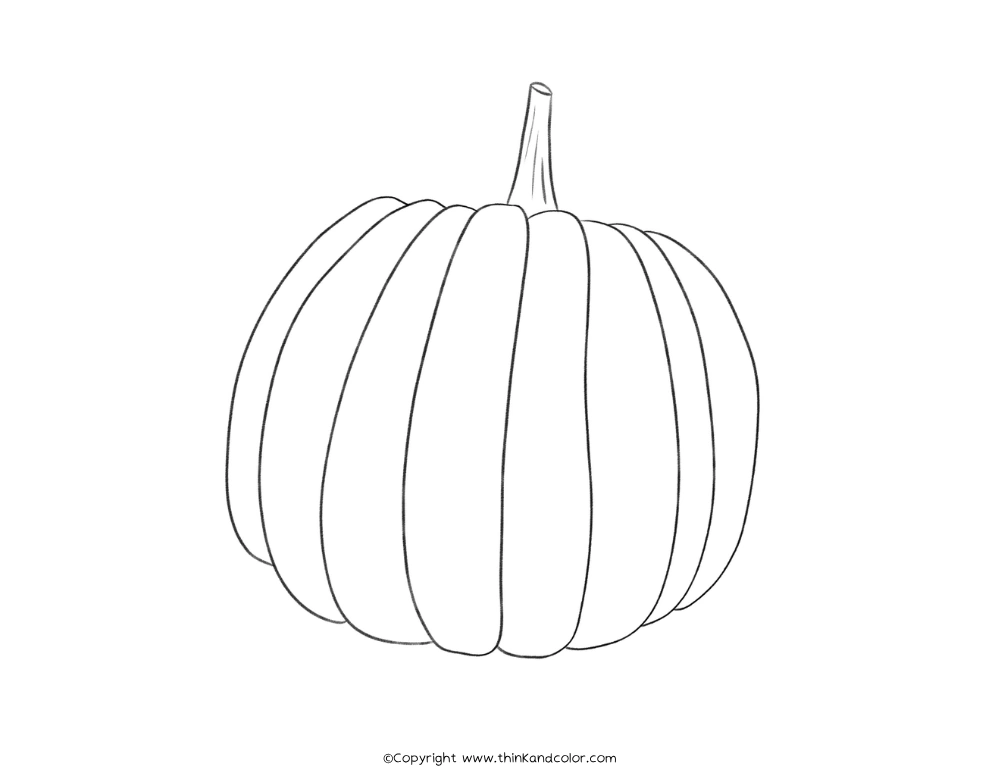
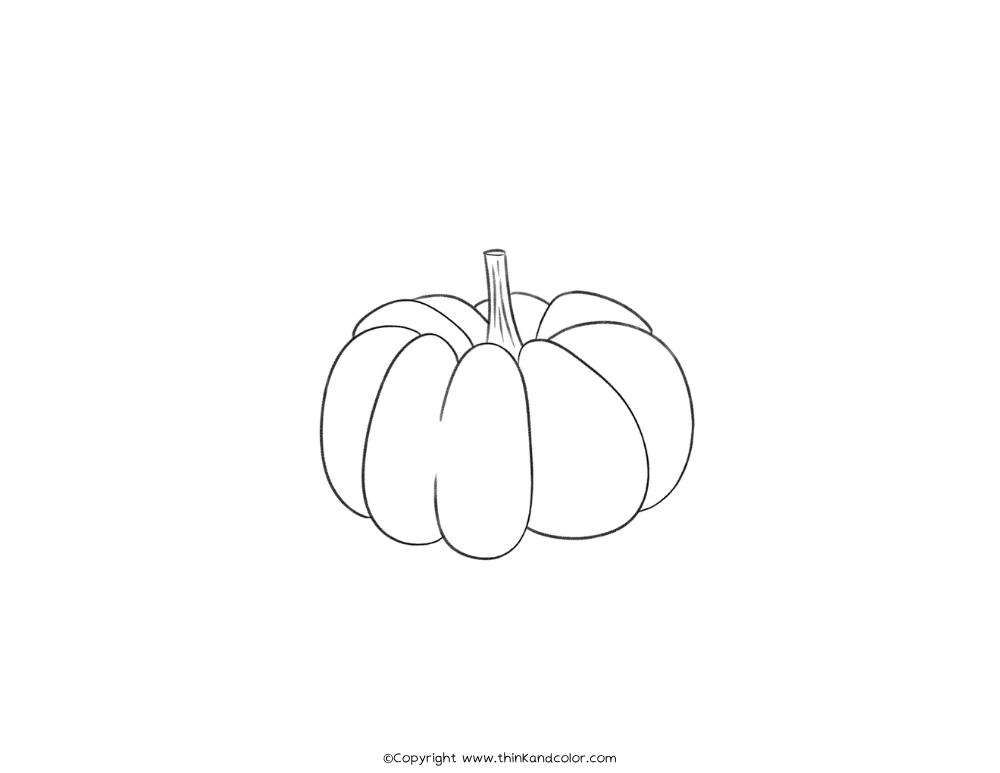
The pumpkin shown on this worksheet is one example of a plant. A pumpkin plant grows leaves and vines and eventually produces flowers and pumpkins. Children can use this familiar example while learning the broader concept of what a plant is.
This worksheet also helps children connect the letter P with the beginning sound in plant. By tracing P, p, and the word plant, children can practice letter formation while developing early vocabulary and recognizing the relationship between a letter and the sound at the beginning of a word.
Extend the Learning
Practice the Letter P
Trace uppercase and lowercase P and say the letter sound as you write.
Find More P Words
Think of other words that begin with P, such as pumpkin, plant, and pot.
Talk About Plants
Look at the picture and identify the leaves, stem, and roots.