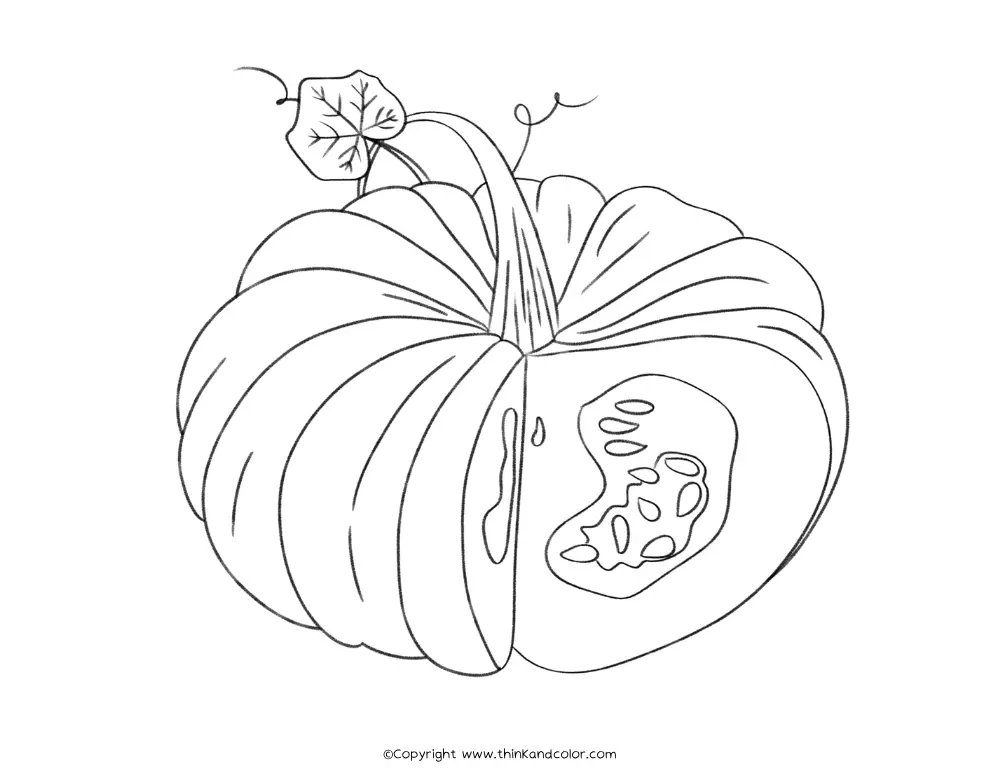
Pumpkin Coloring Pages
Last Updated:
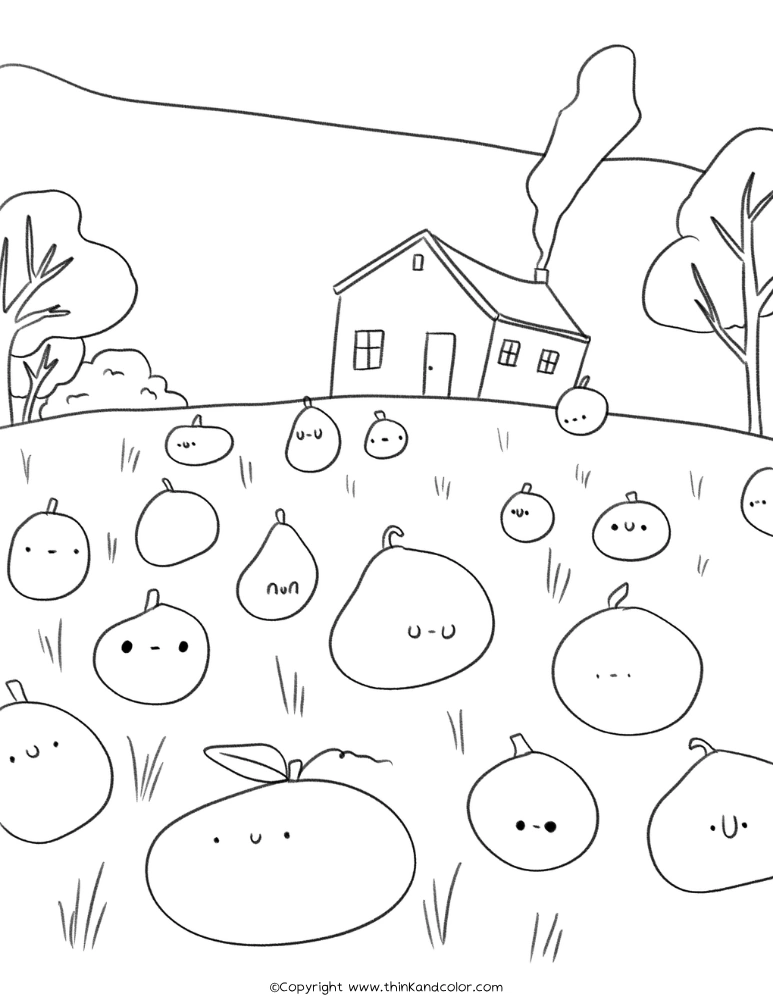
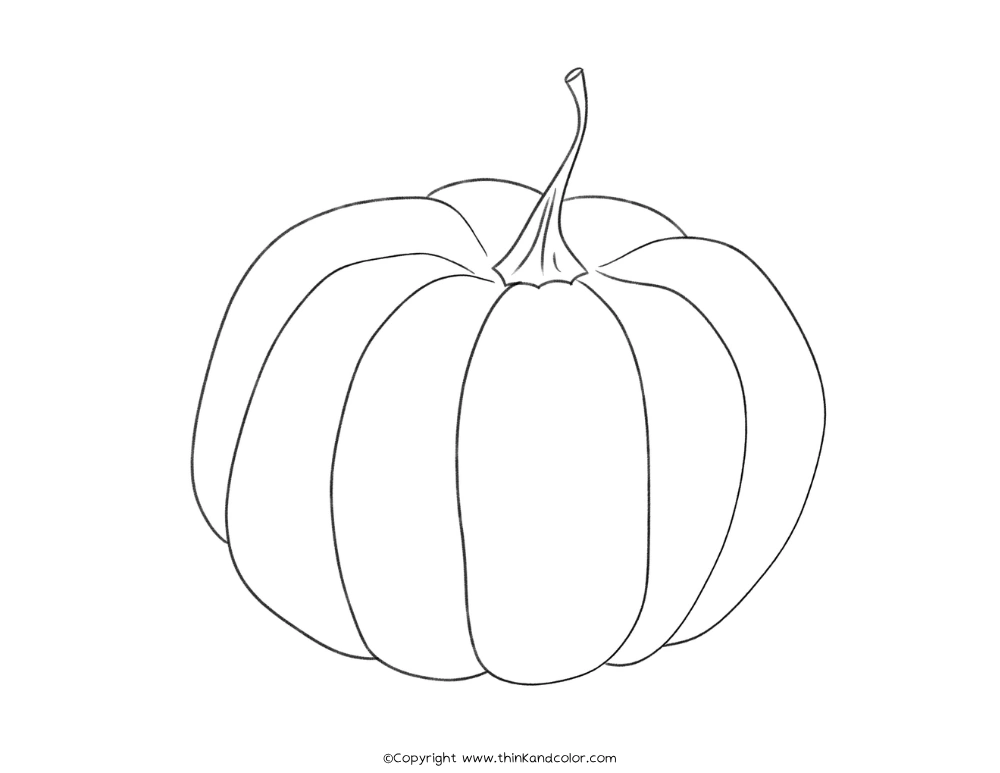
Pumpkins are one of the most recognizable symbols of fall. From pumpkin patches and harvest celebrations to pumpkin pie and jack-o’-lanterns, these colorful fruits are a familiar part of autumn for children. Pumpkins are also a great way to introduce young learners to plants, fruits, life cycles, nature, and seasonal changes.
Our free printable Pumpkin Coloring Pages combine creativity with learning, giving children an opportunity to color pumpkins while discovering interesting facts about their anatomy, growth, and life cycle. Whether you’re looking for a simple fall coloring activity or educational pumpkin worksheets for a classroom or homeschool lesson, this collection offers a variety of ways to learn about pumpkins.
Creative Coloring Pages
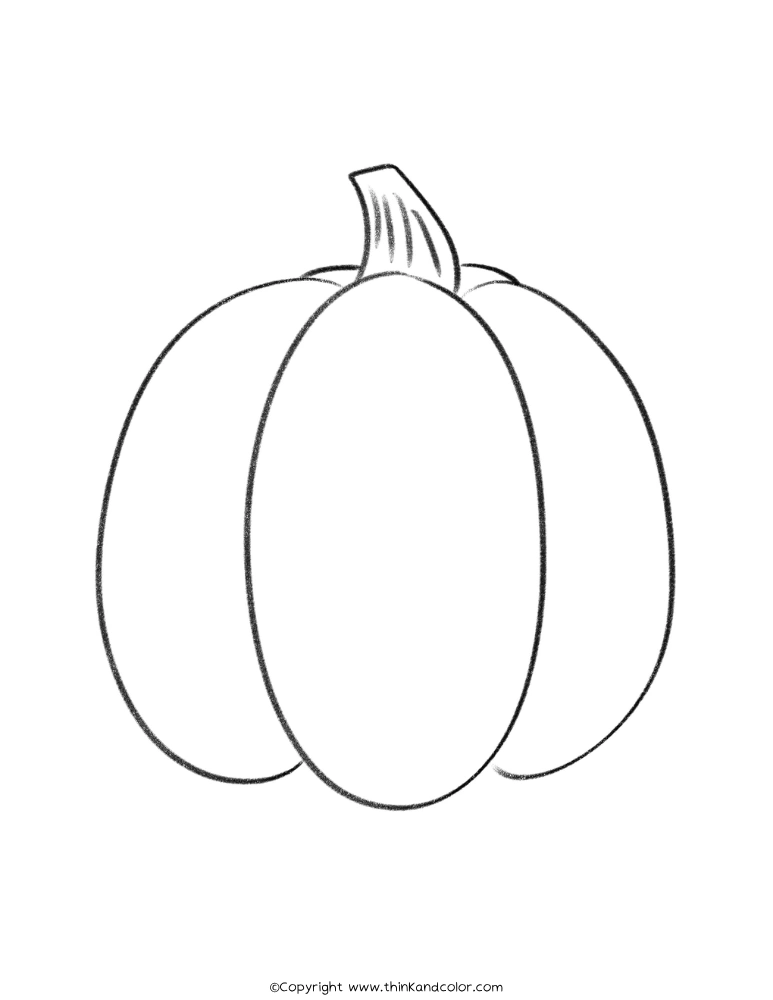
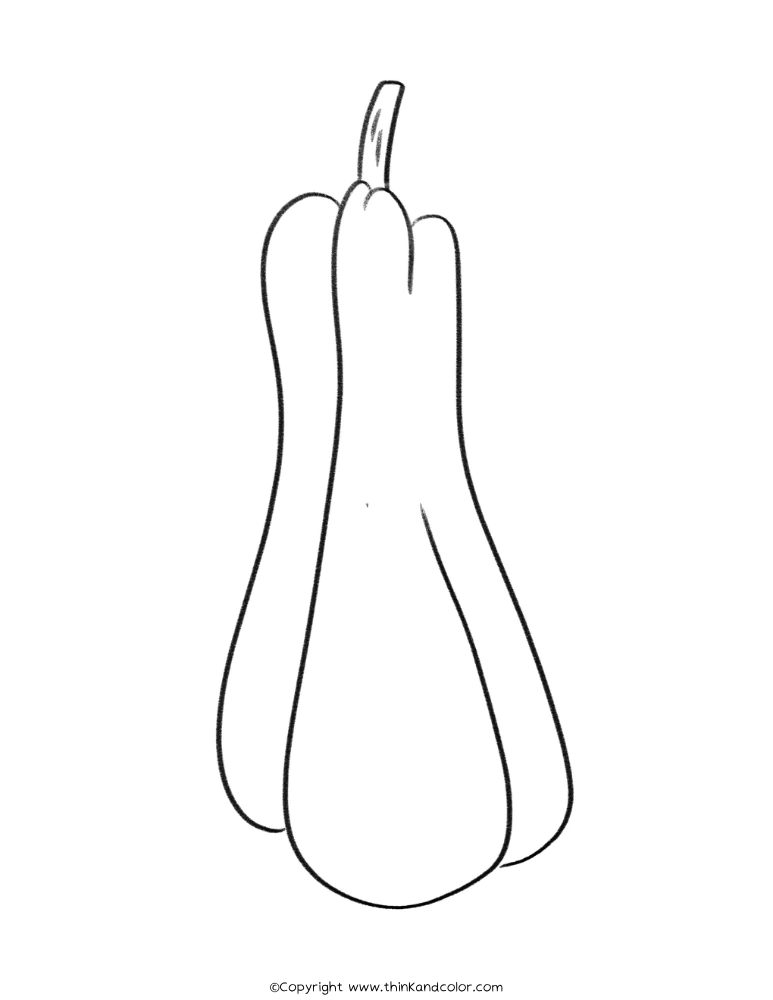
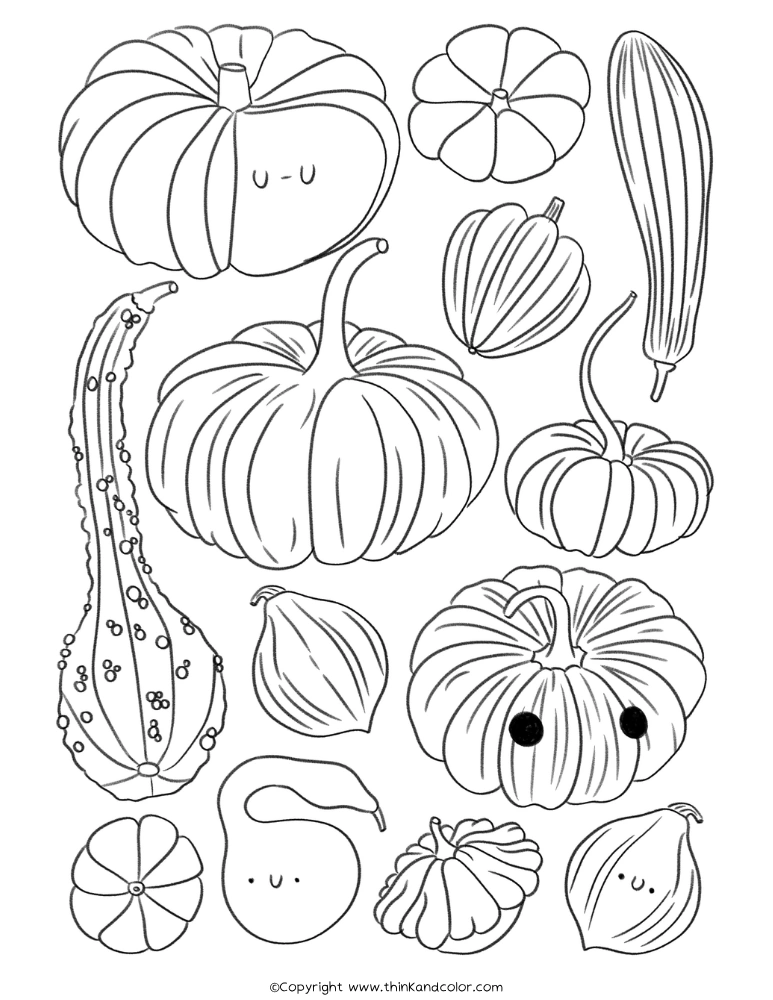
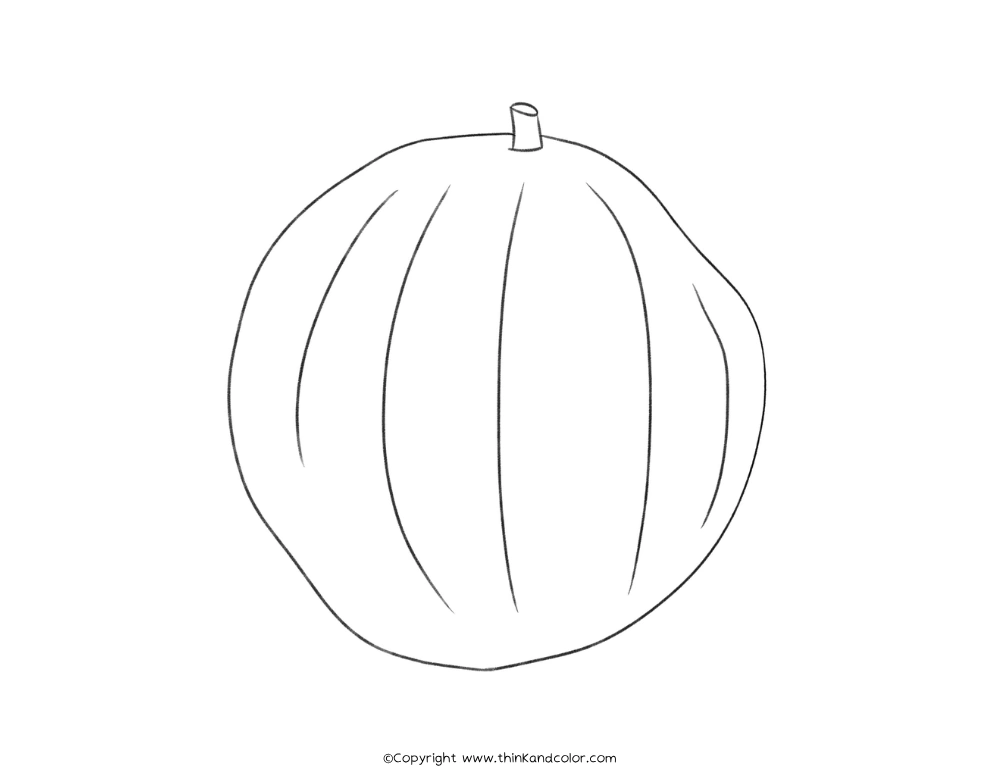
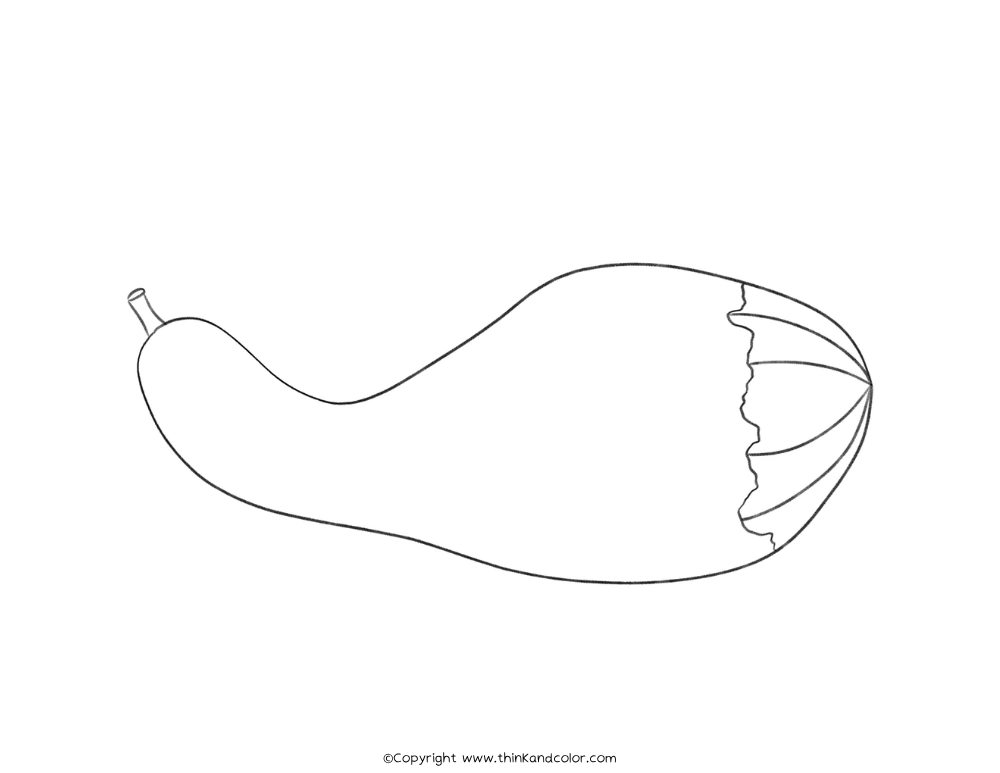
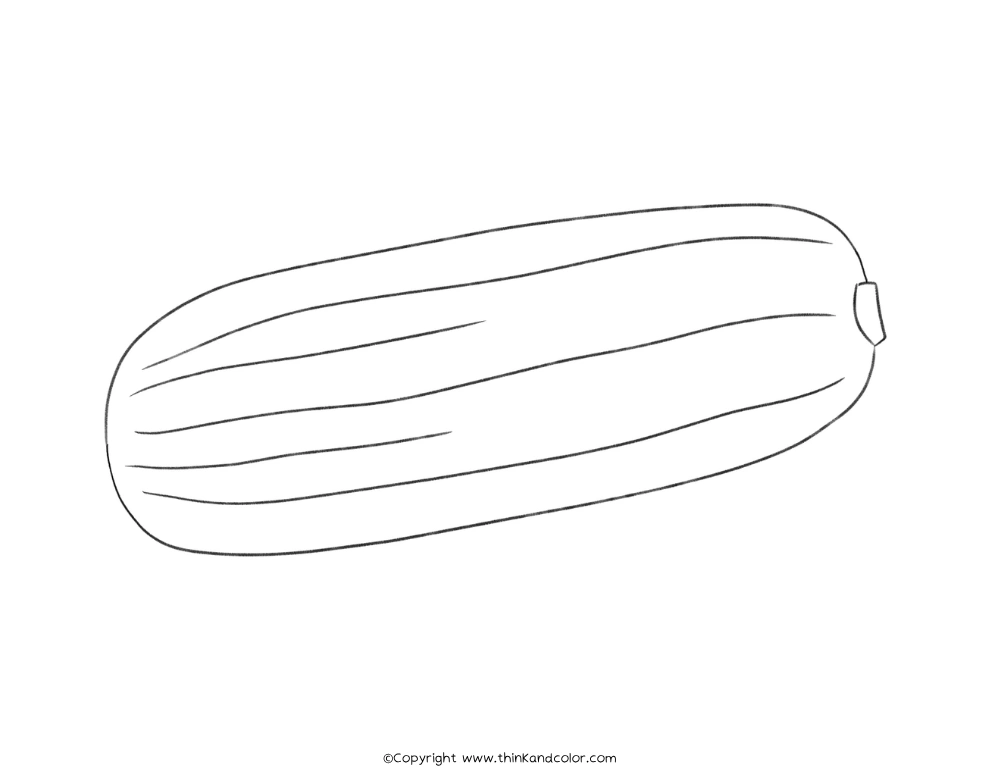
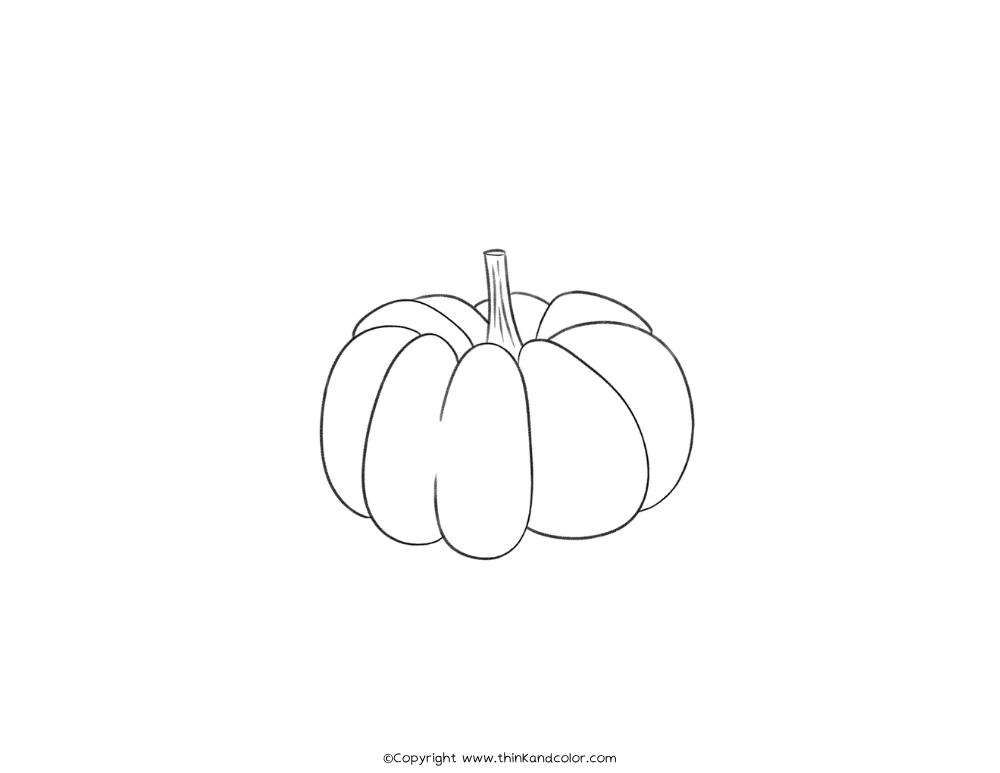
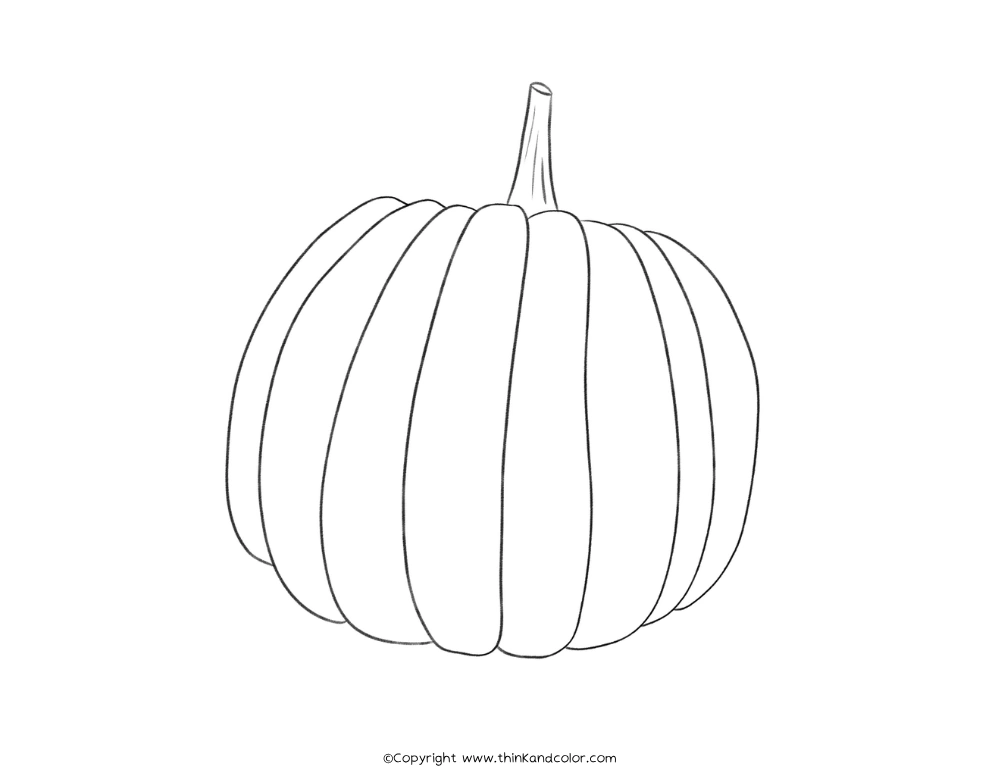
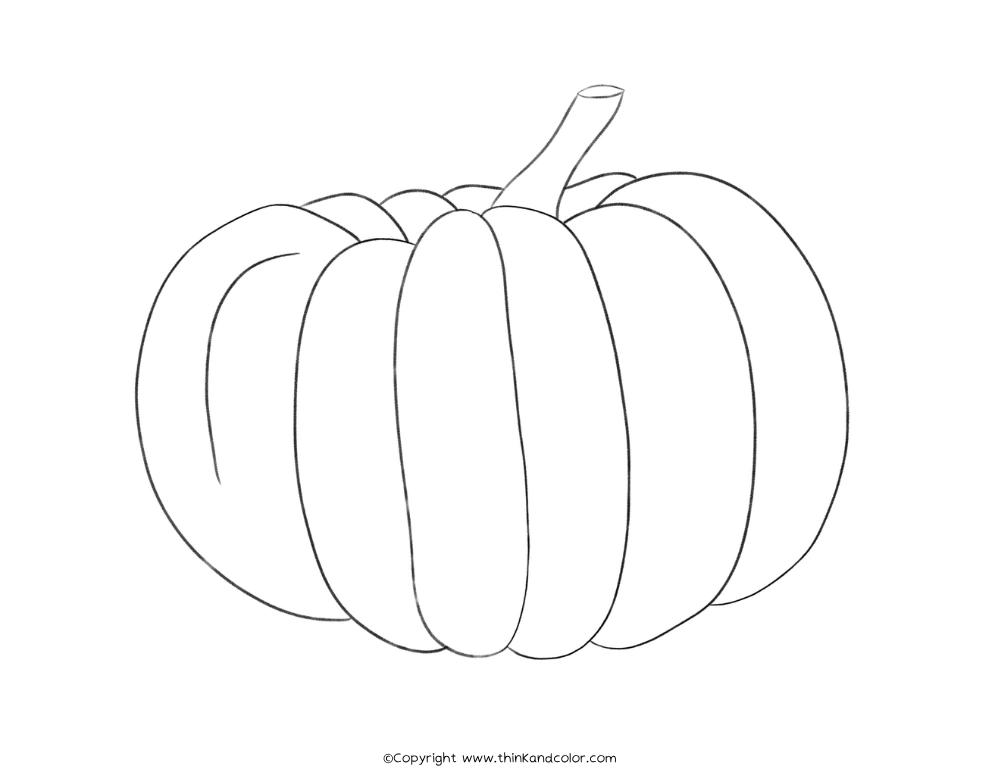
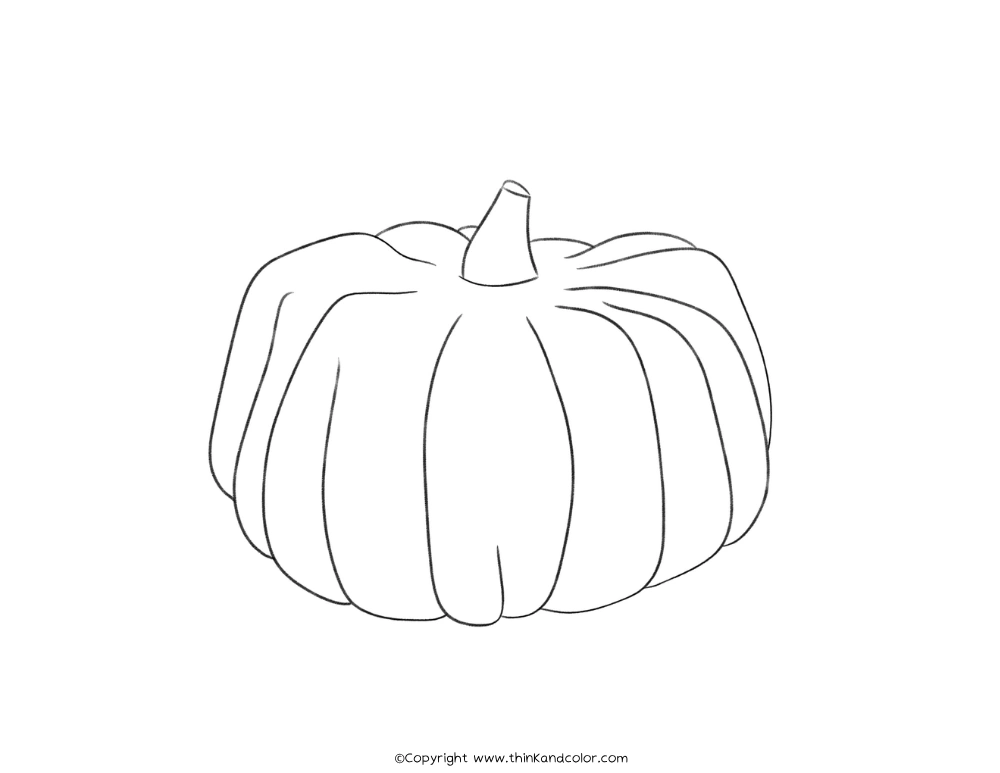
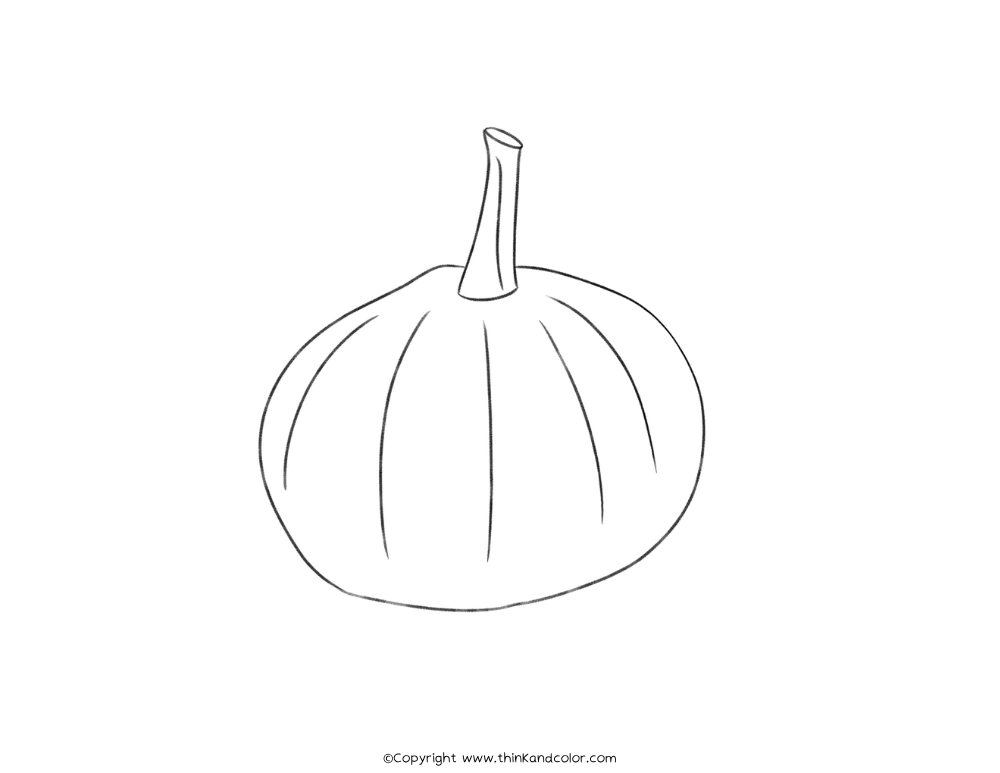
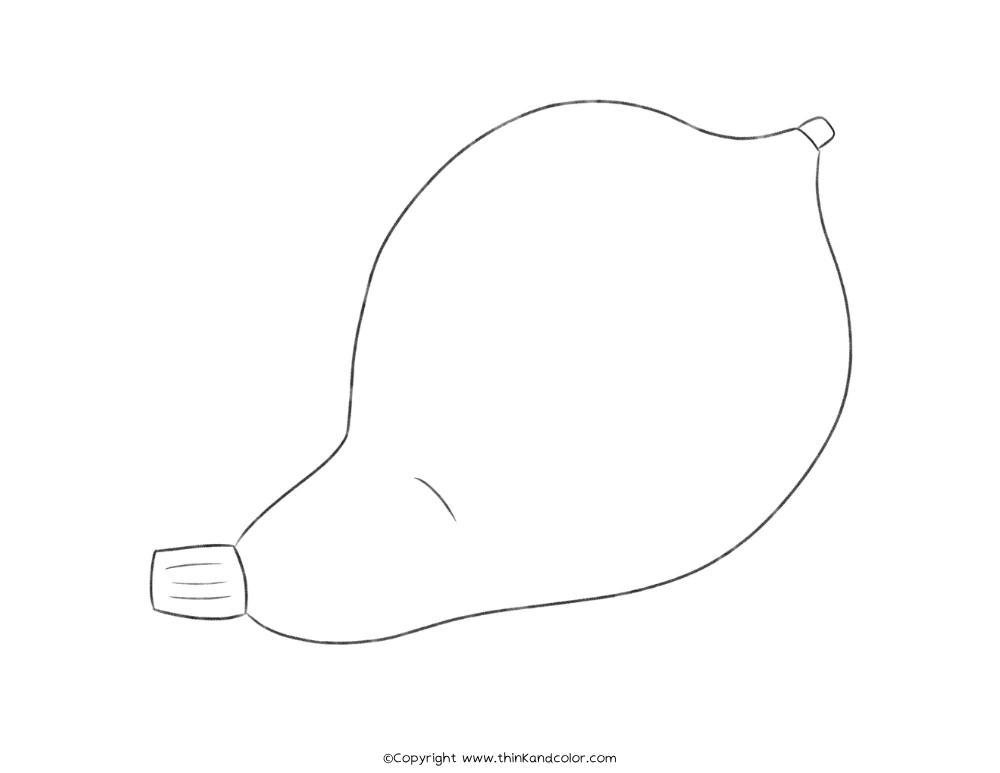
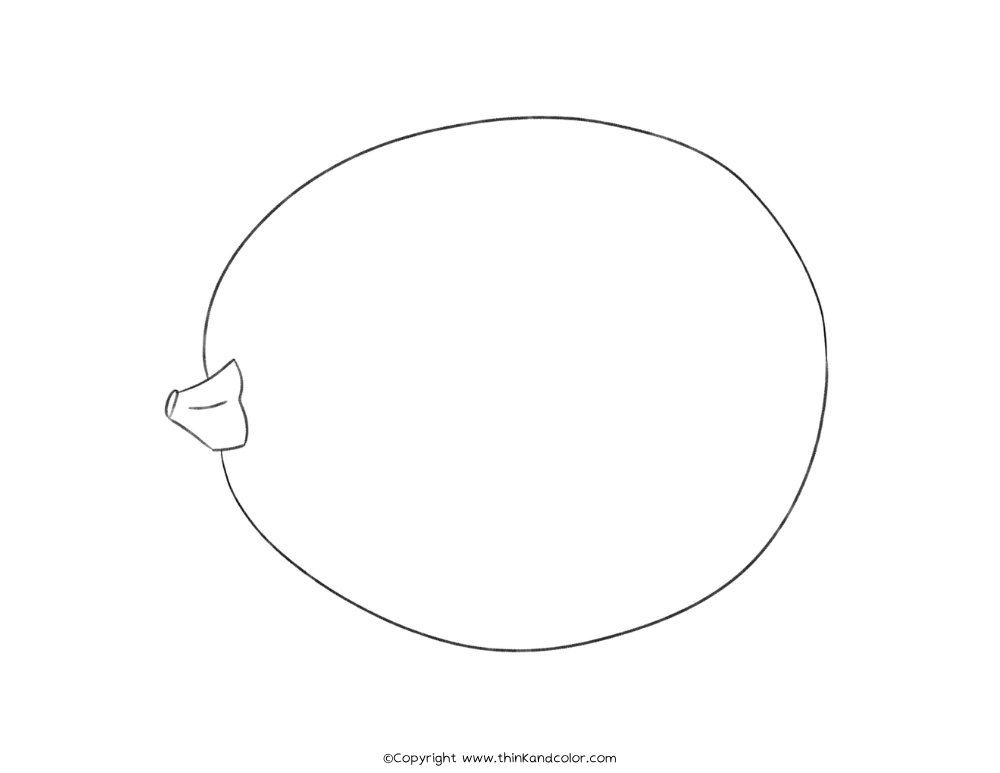
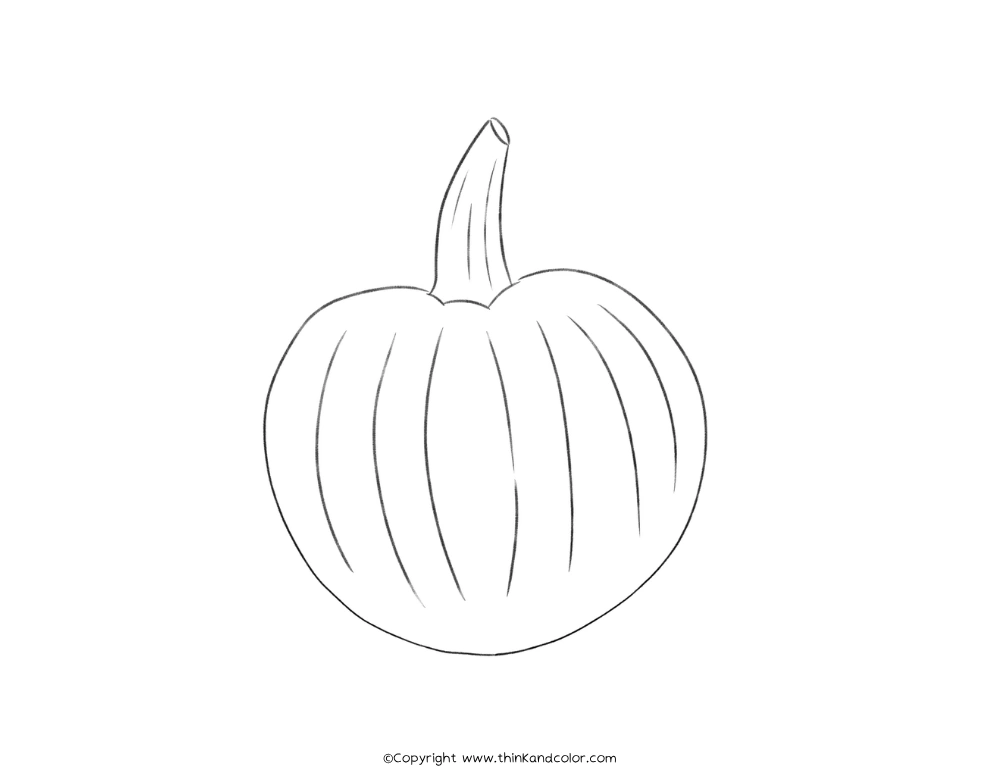
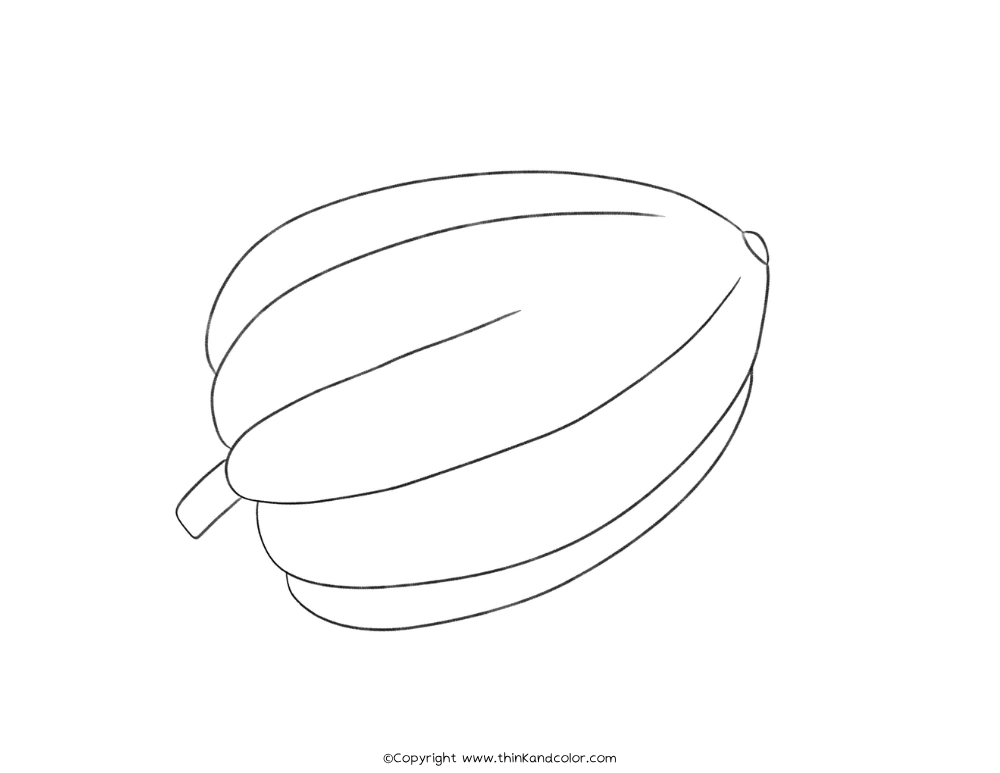
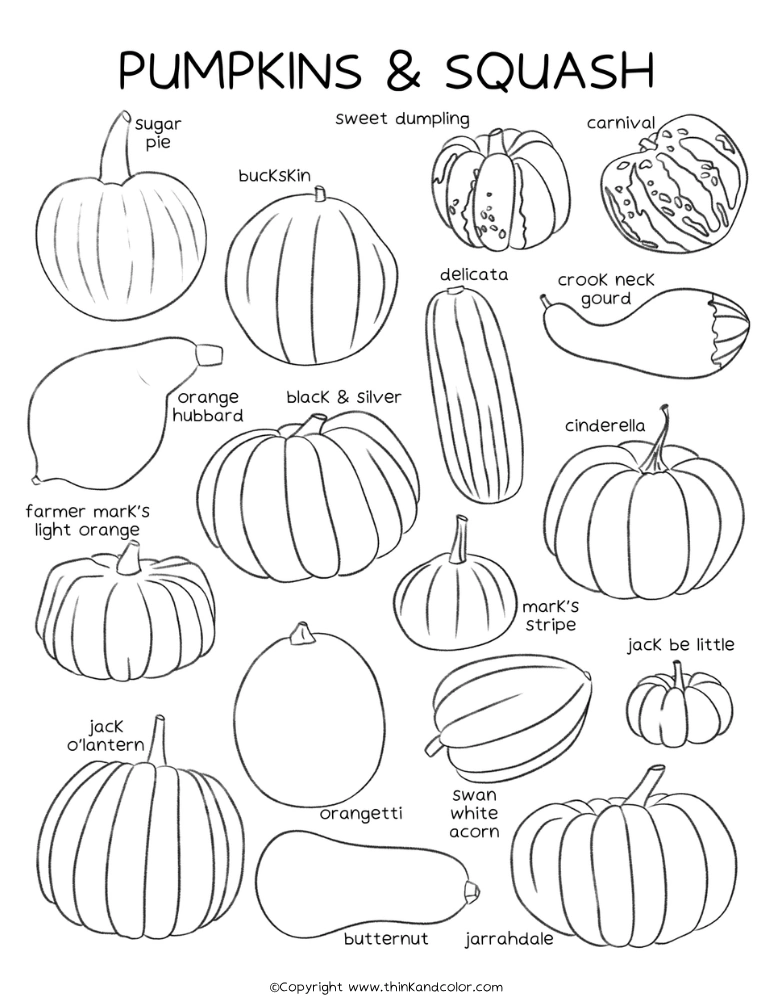
Types of Pumpkins
Educational Coloring Pages
Worksheets
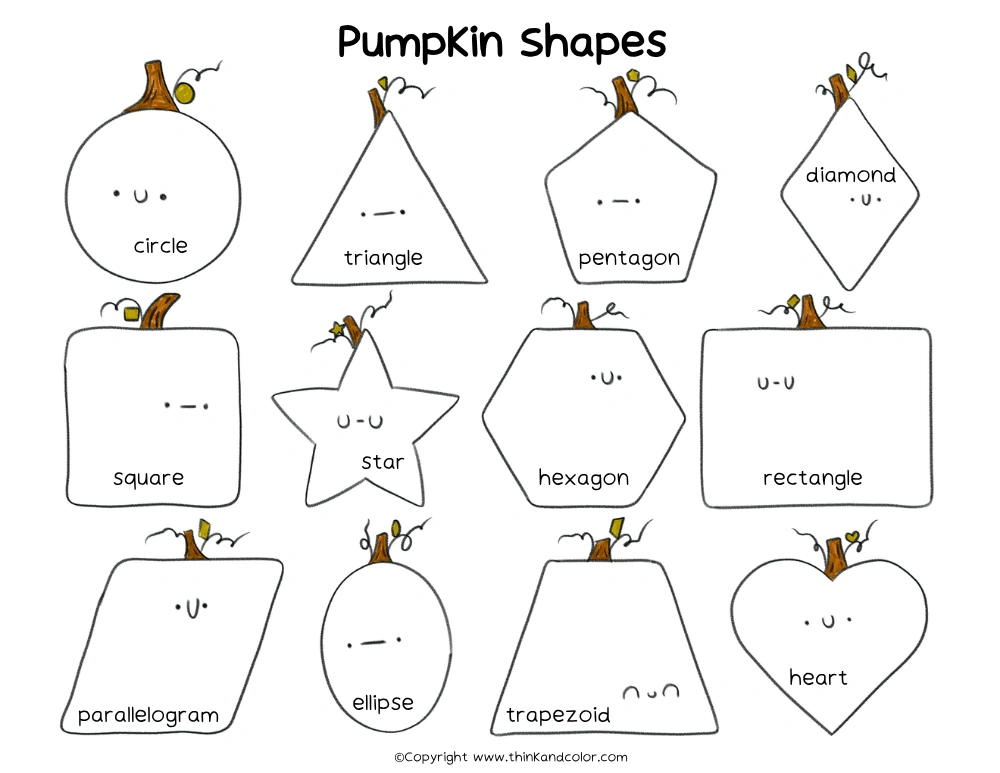
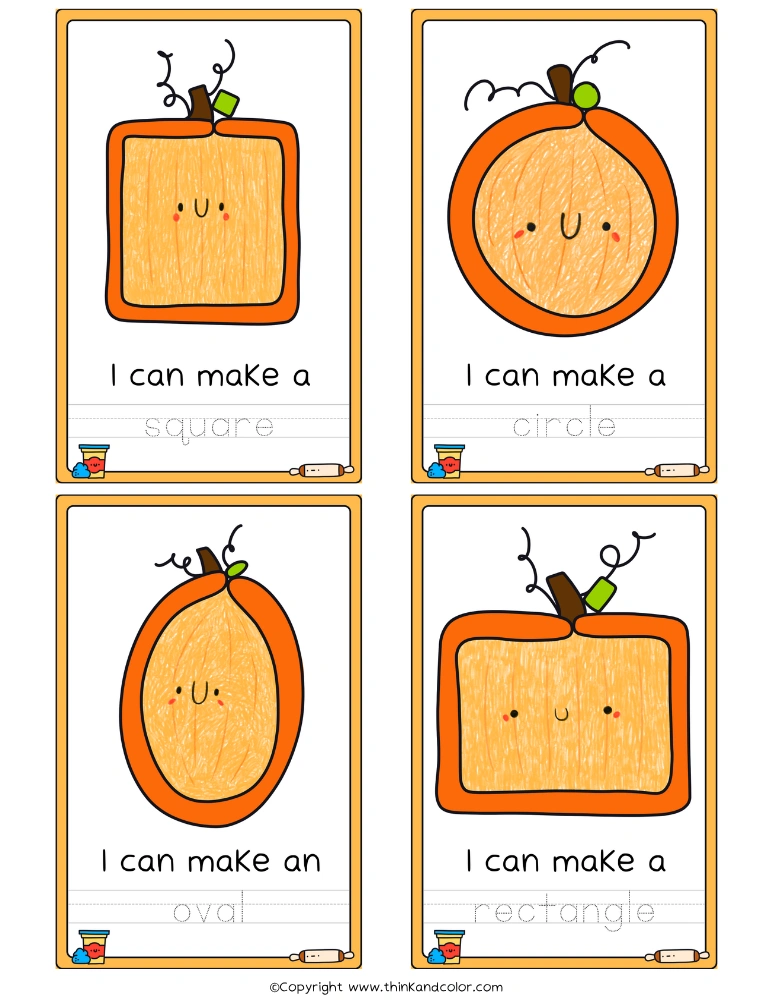
Shape Tracing
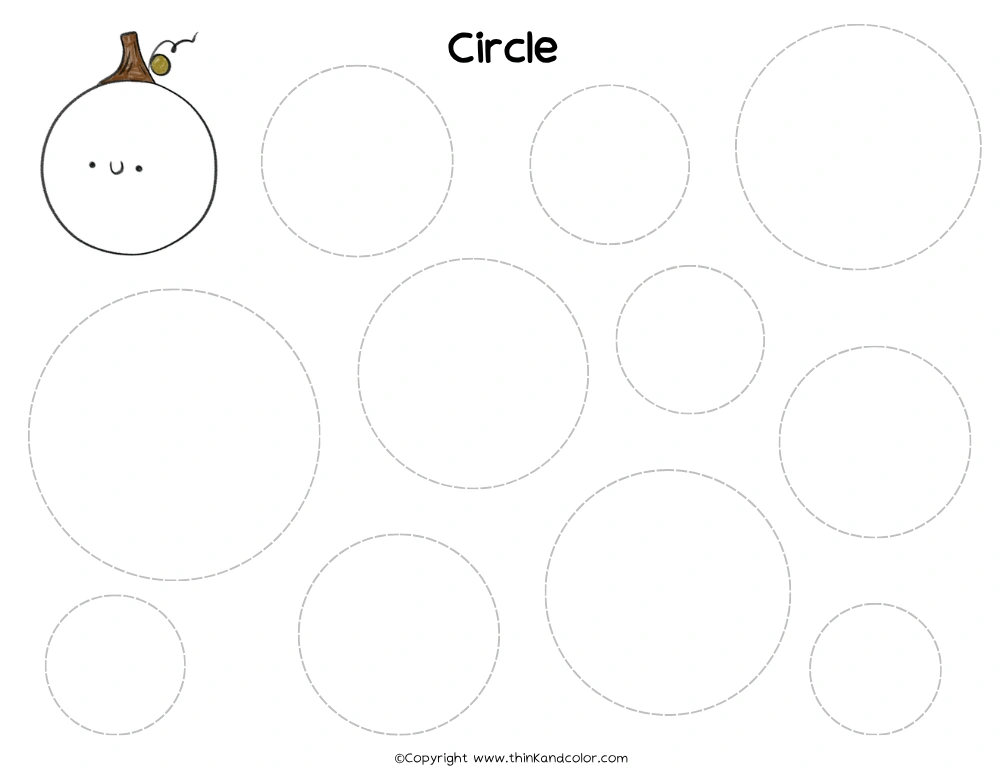
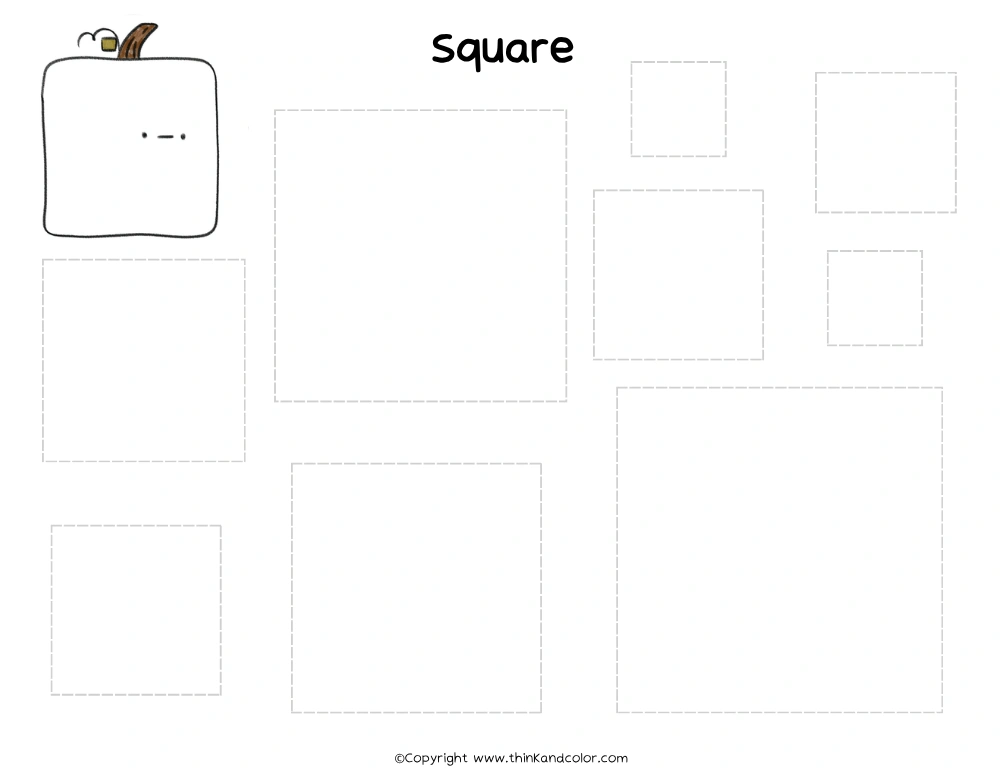
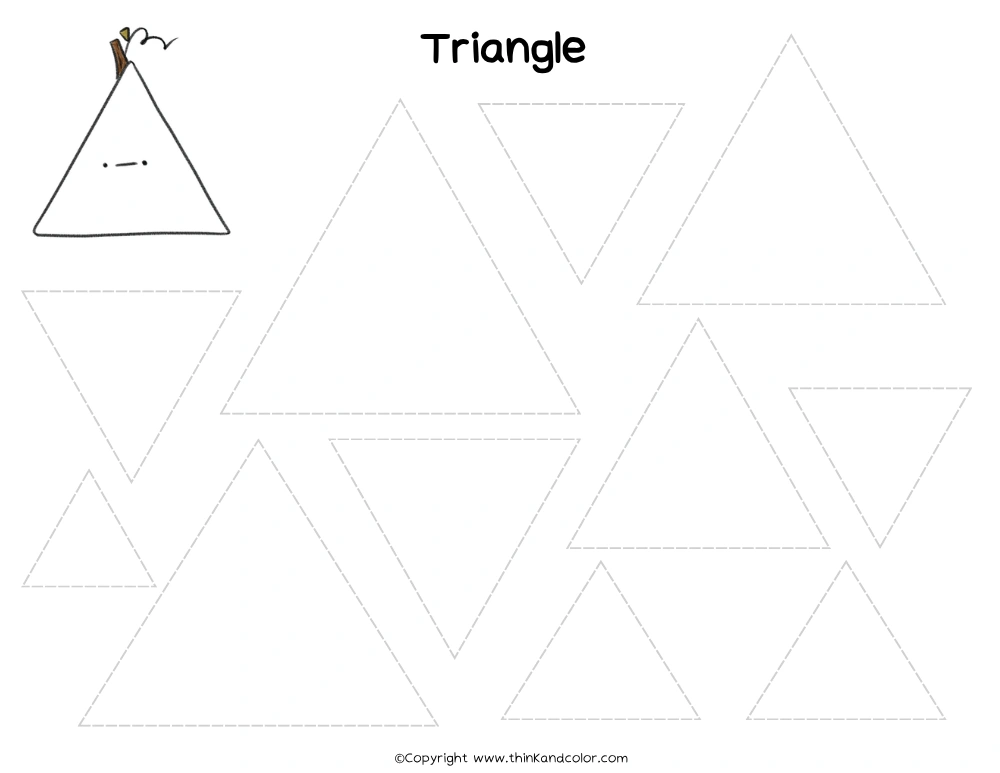
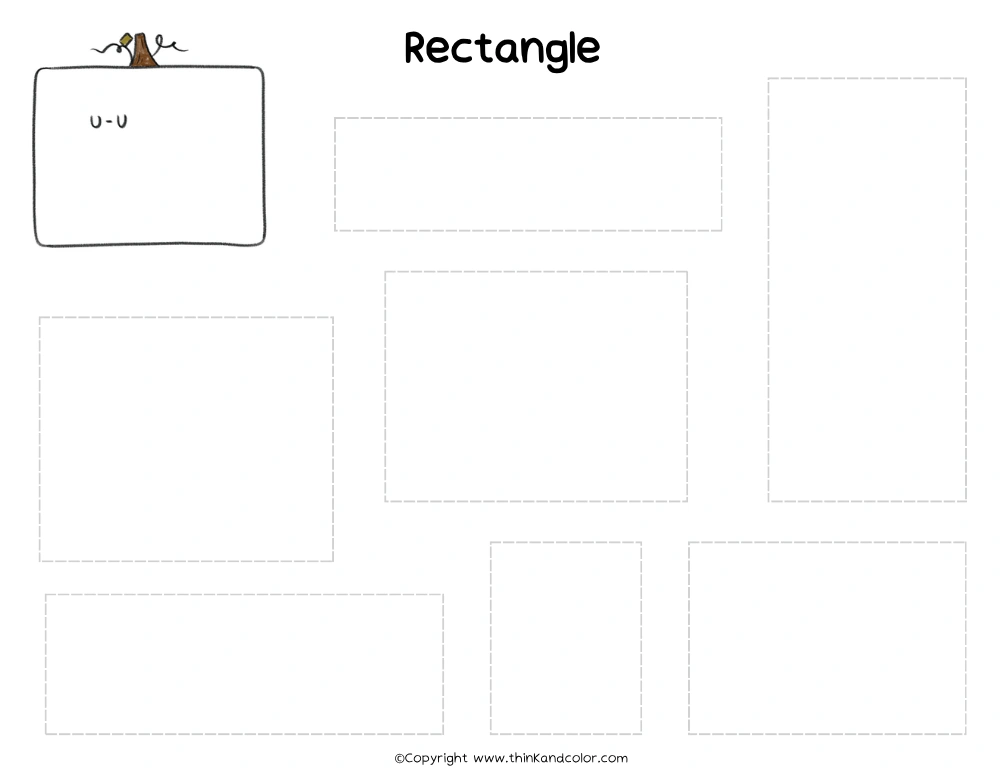
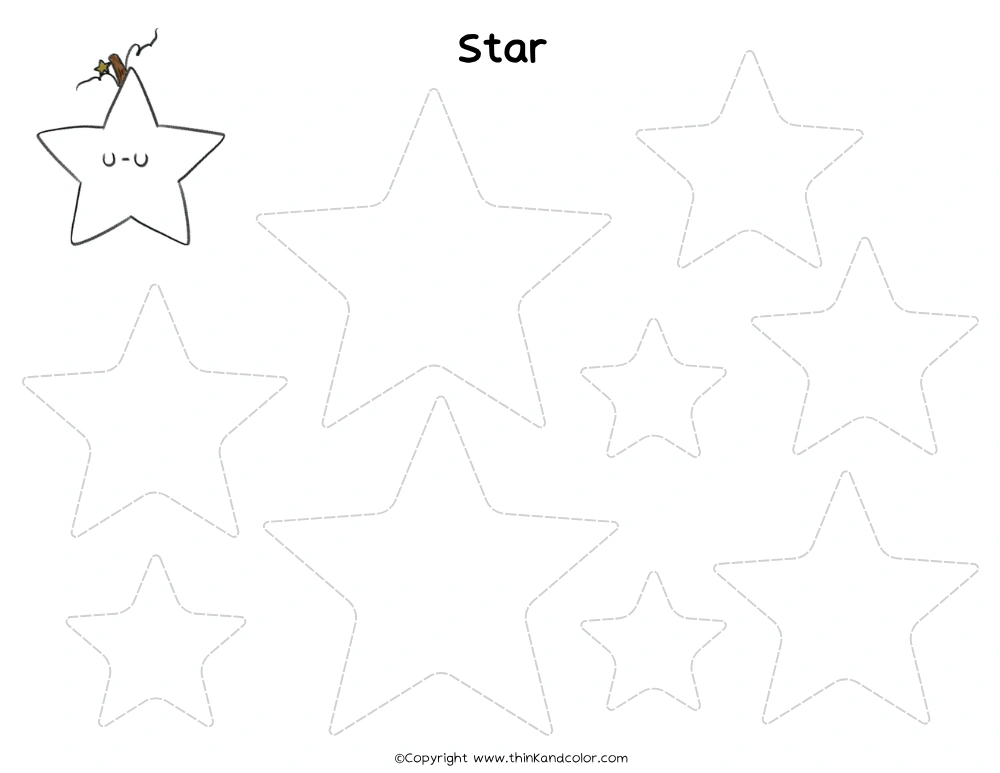
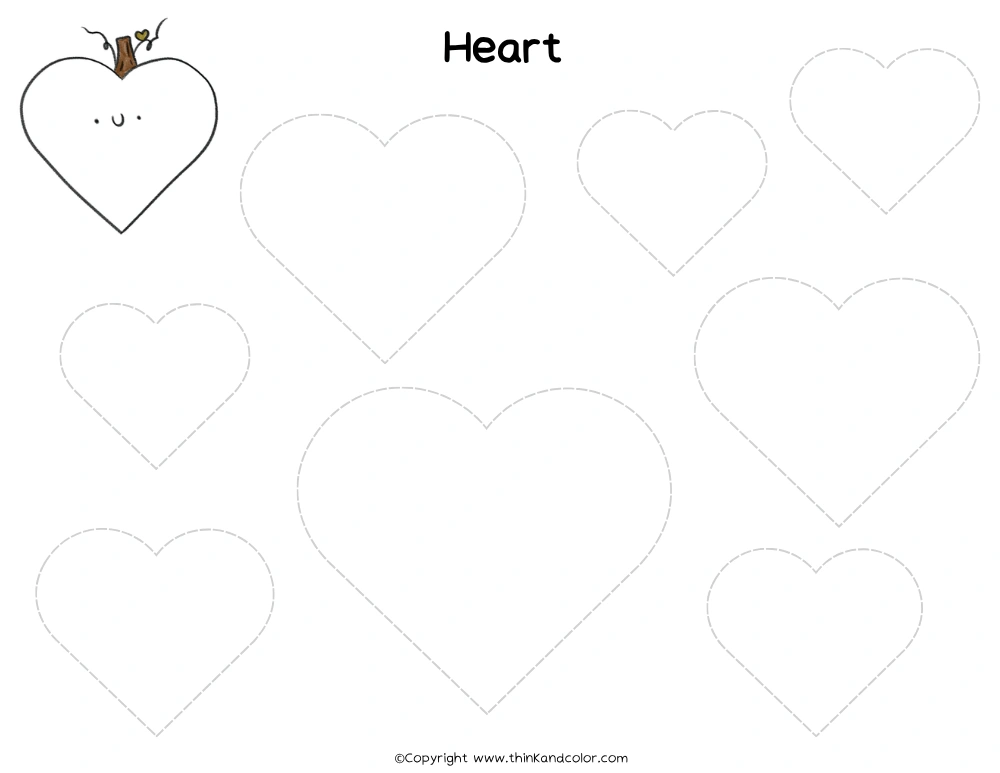
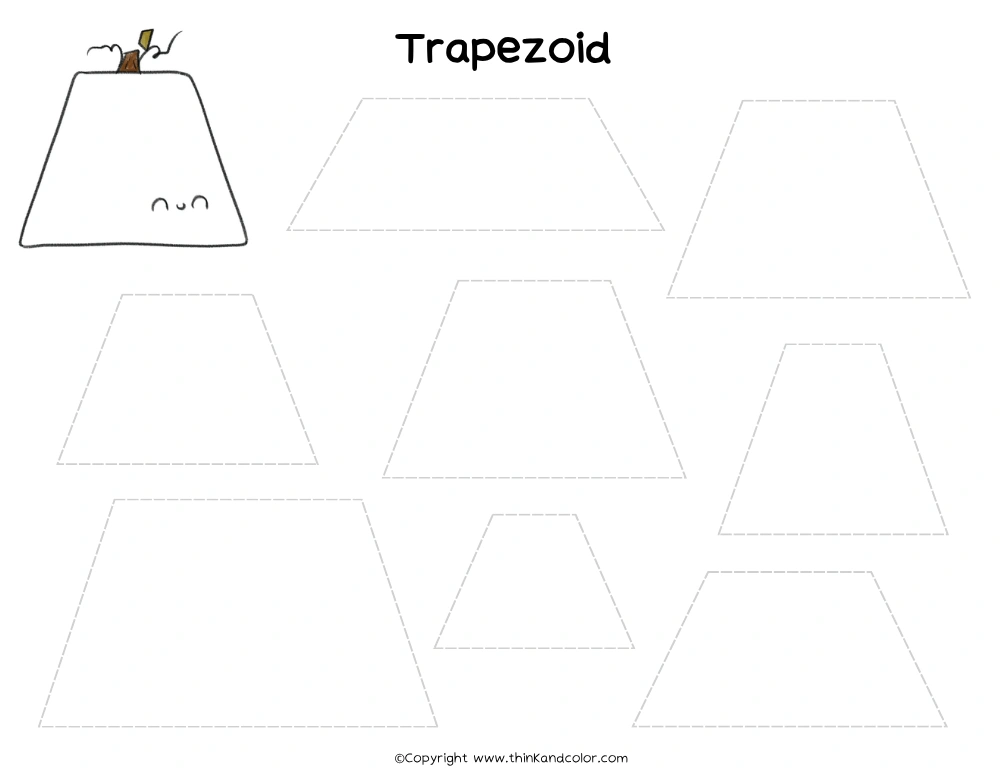
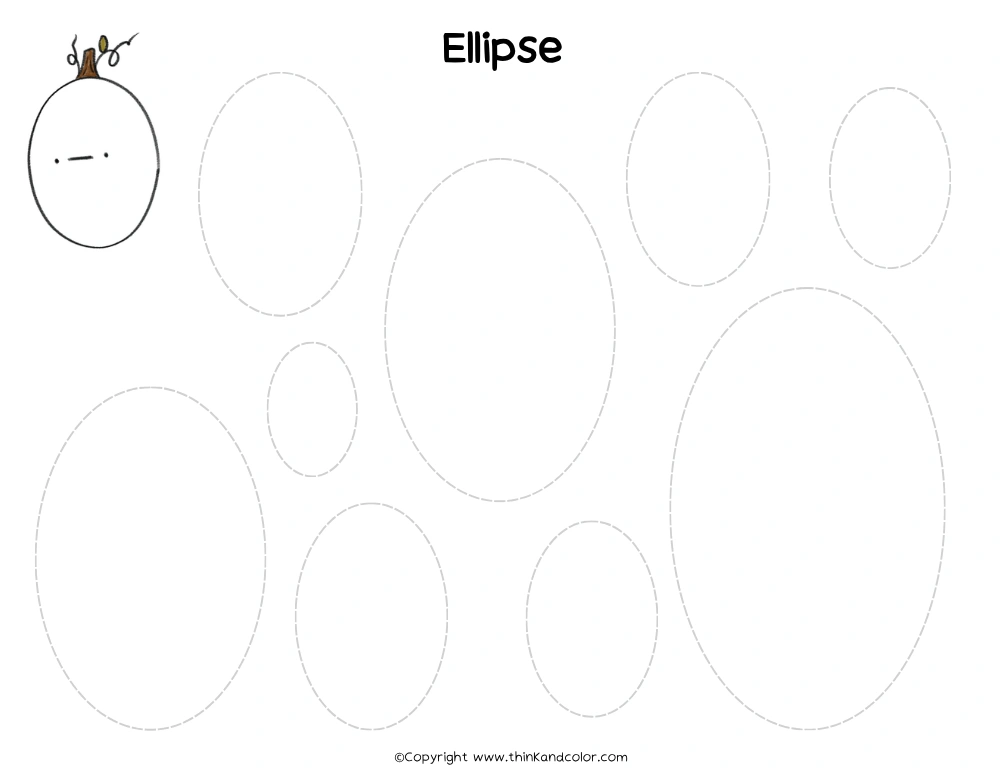
Tracing
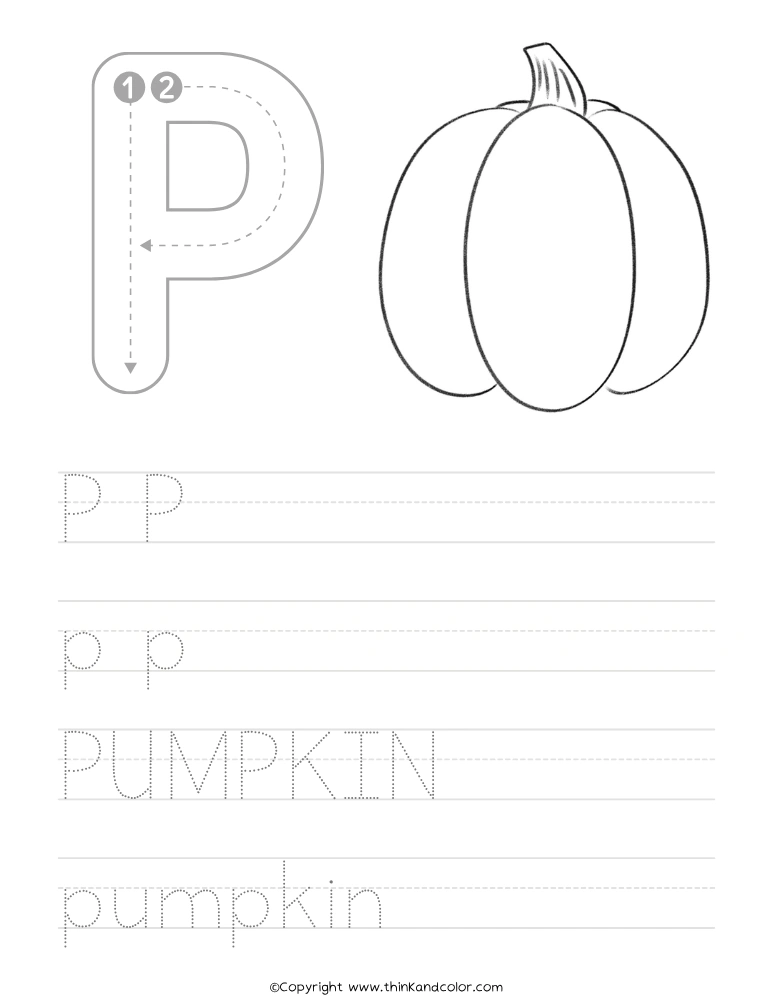
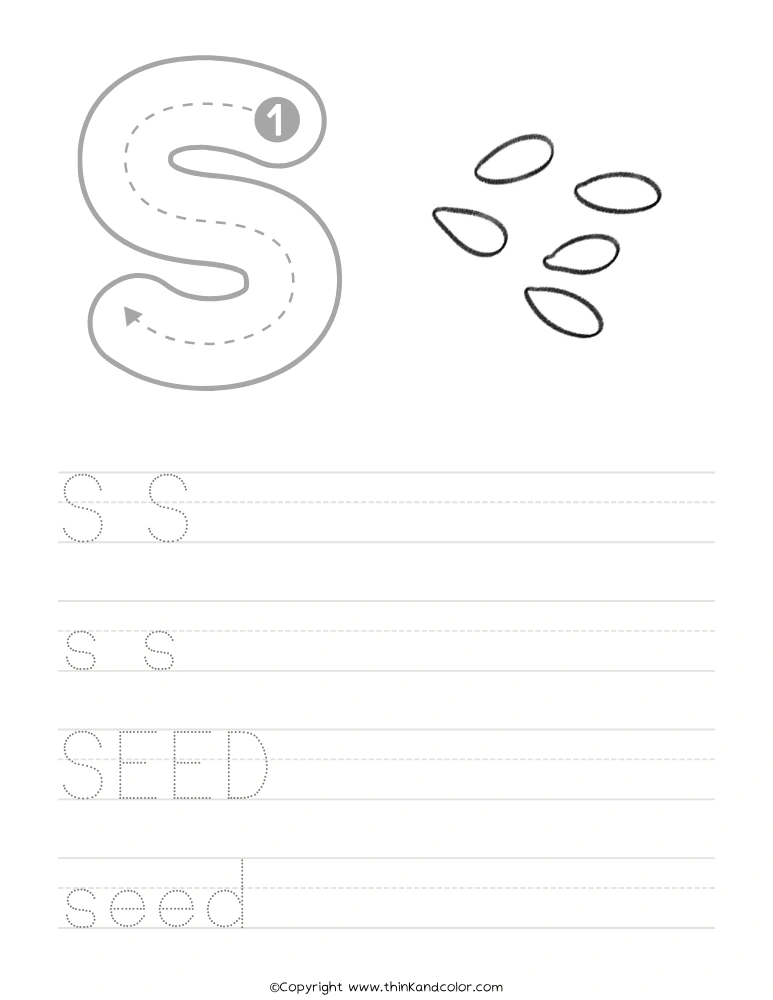
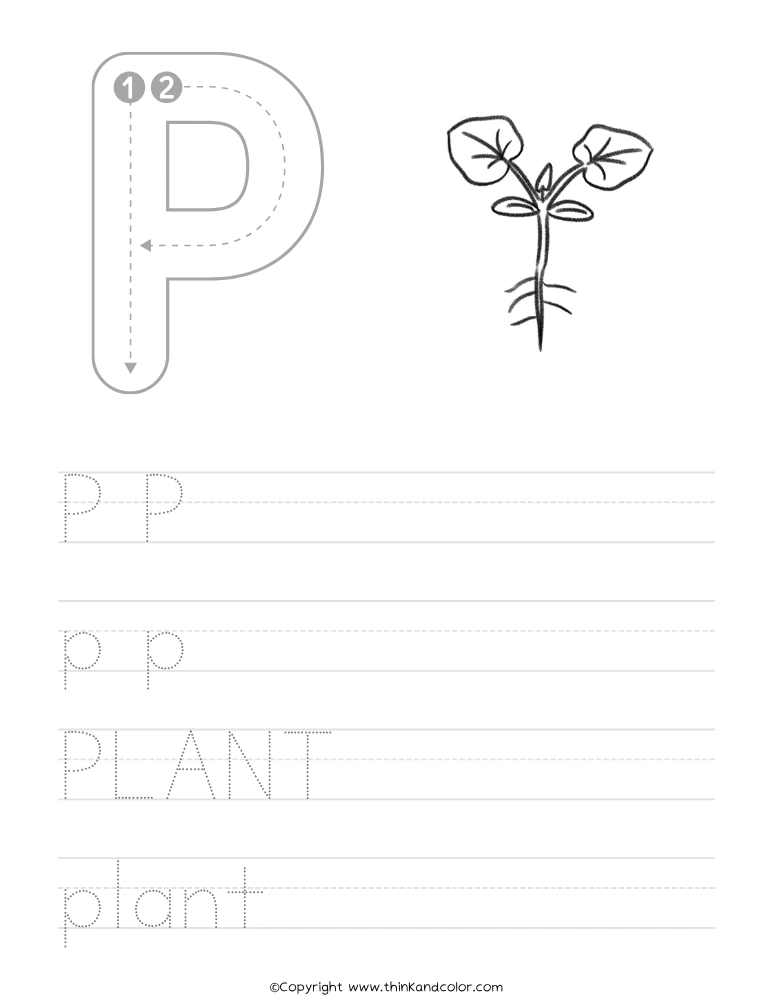
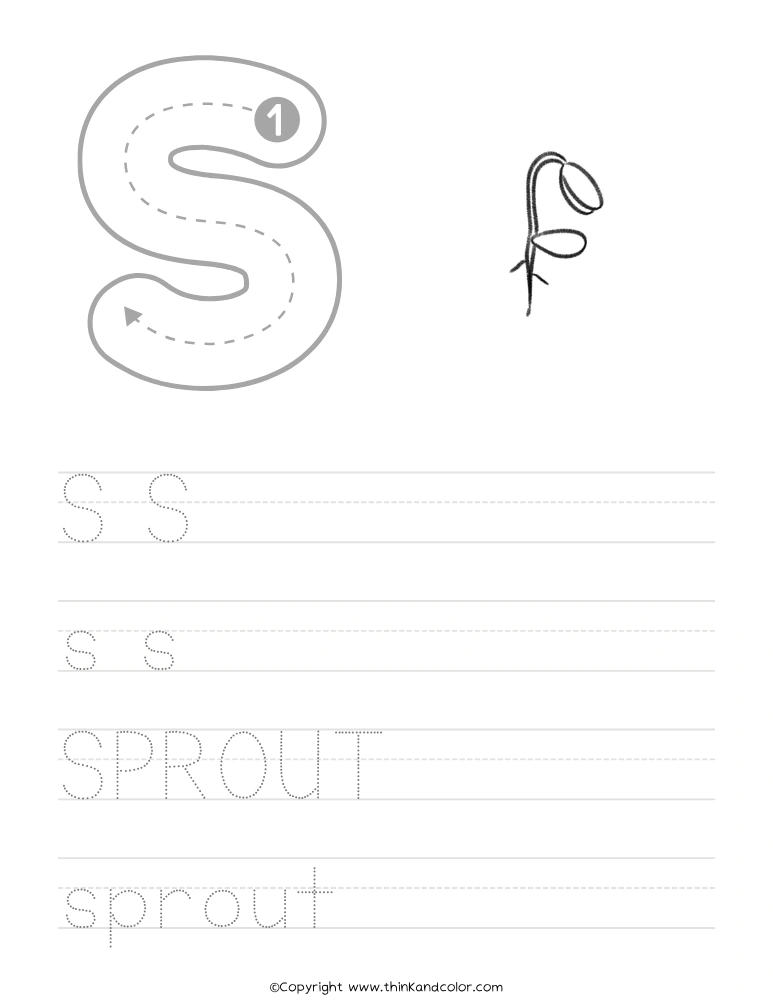
Pumpkin Handwriting
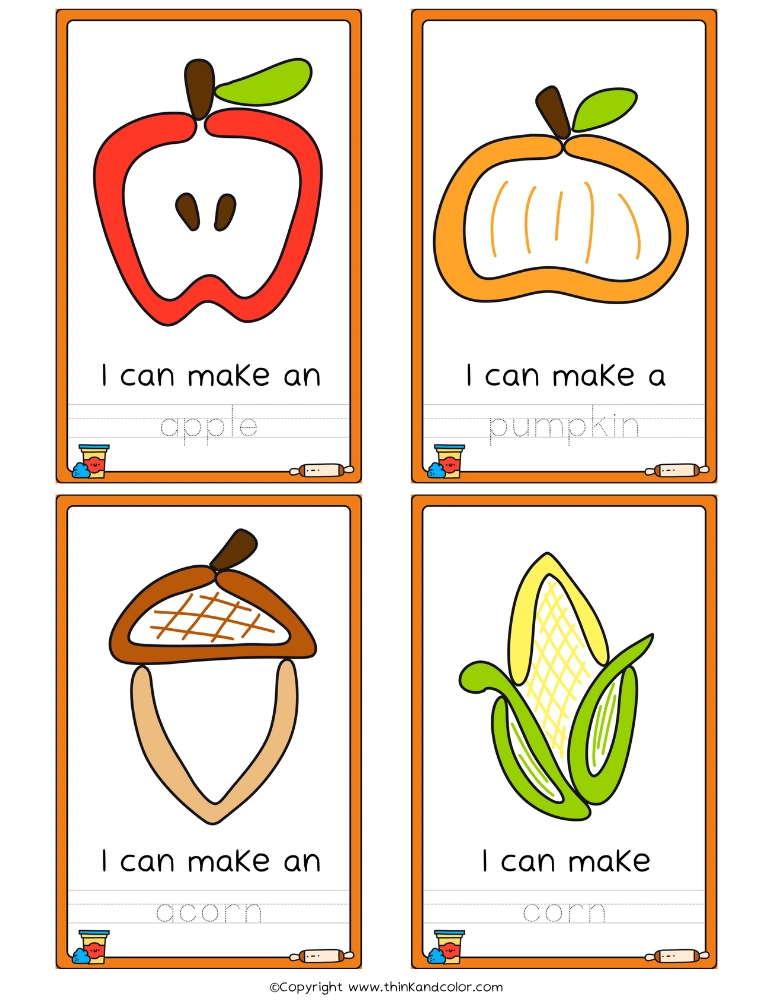
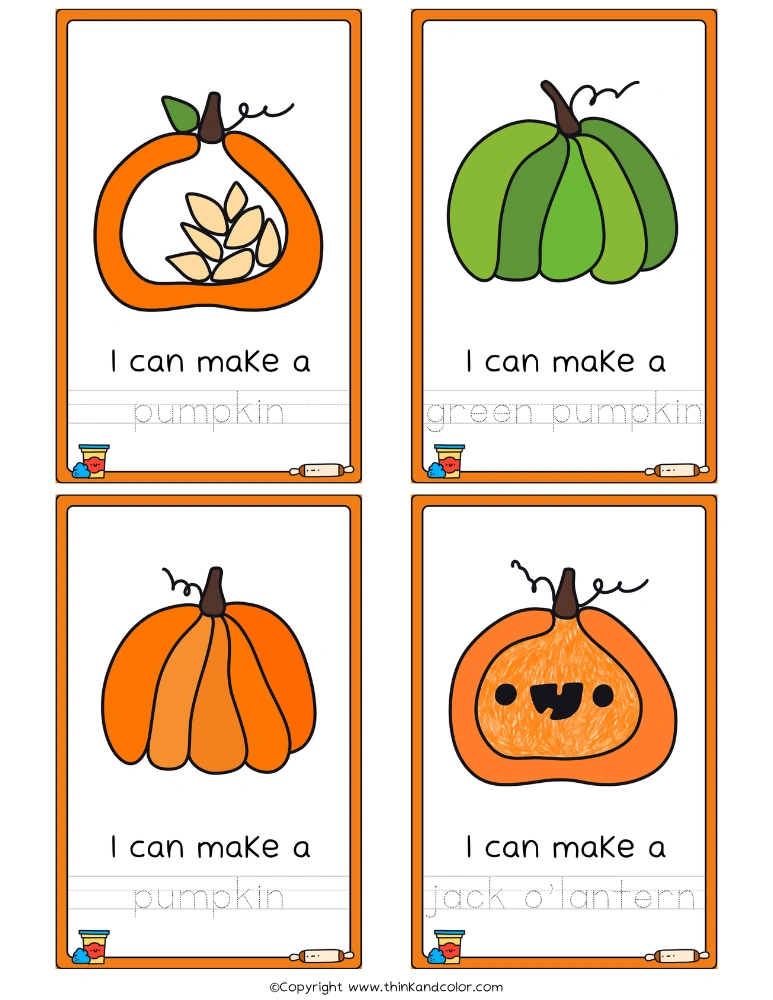
Fall Playdough Mats
Discover with Our Pumpkin Coloring Pages
Pumpkins are fascinating plants with much more to discover than their familiar orange color. They have seeds, flowers, leaves, vines, tendrils, and other parts that all play a role in the plant’s growth.
As children explore our pumpkin coloring pages, they can learn about the different parts of a pumpkin, discover interesting pumpkin facts, and follow the stages of a pumpkin’s life cycle from seed to mature pumpkin.
These activities make it possible to introduce basic plant science through simple, visual worksheets that children can color and explore.
What Makes Pumpkins Unique?
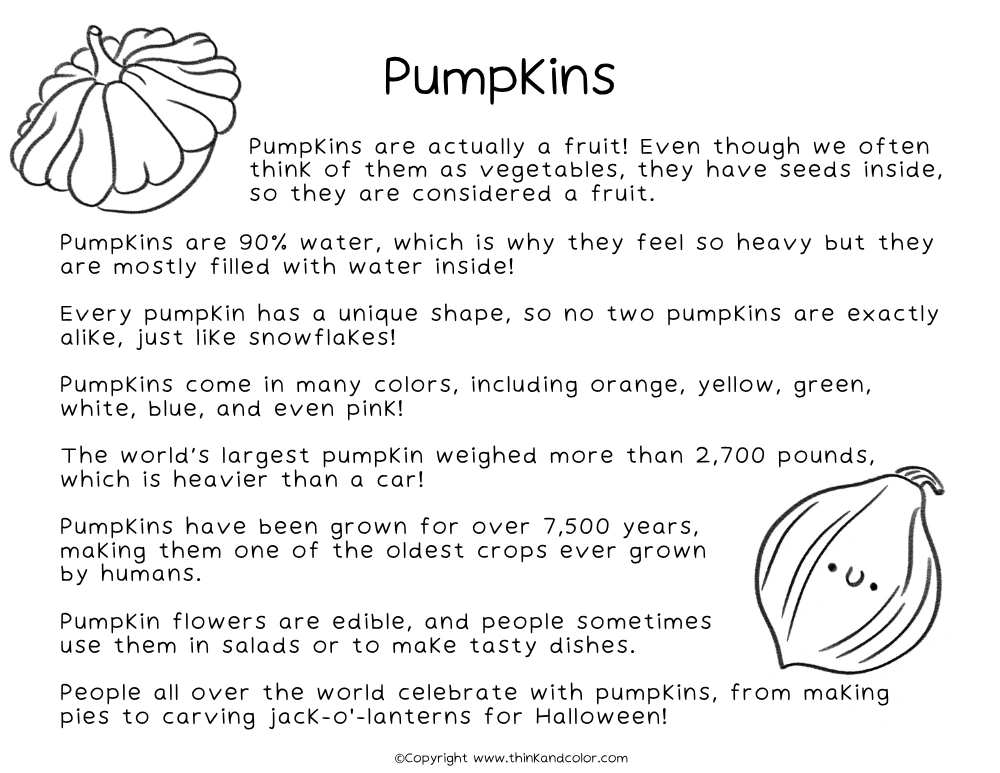
Pumpkins are actually fruits, even though they are often treated like vegetables. They develop from flowers and contain seeds, which are characteristics of fruits.
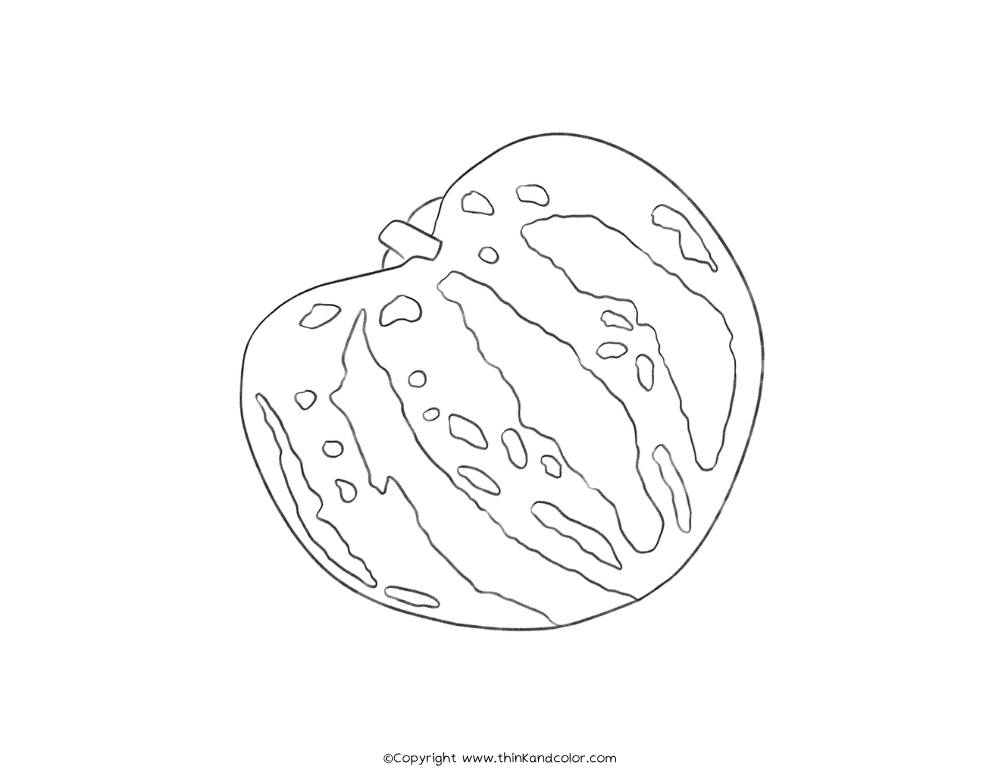
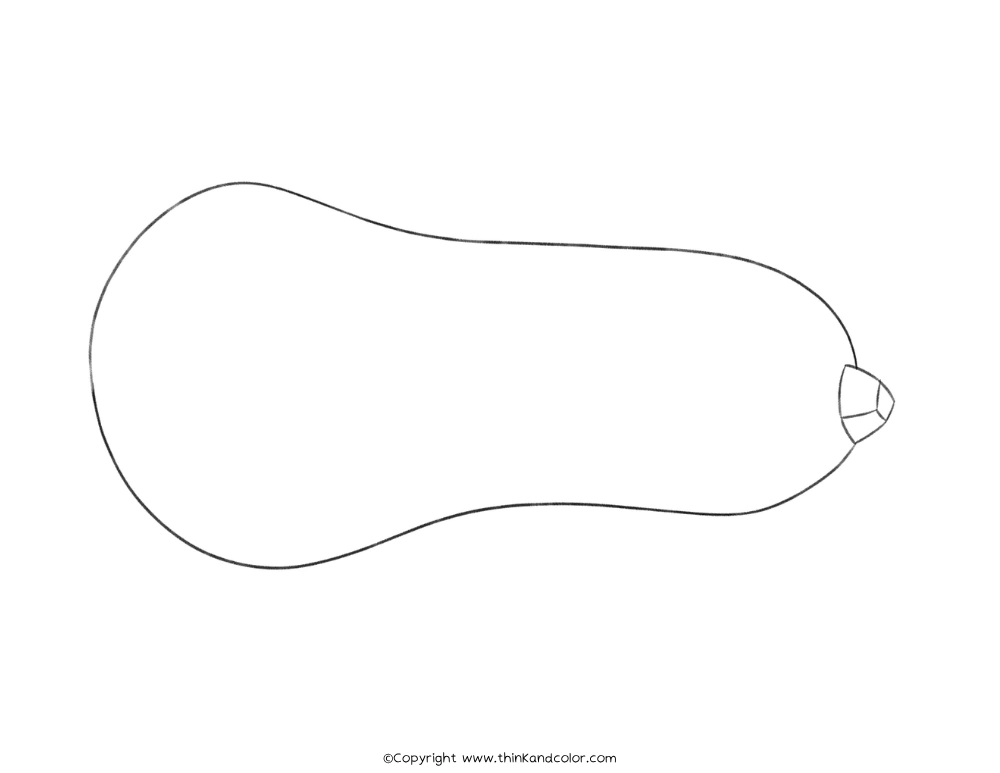
Pumpkins also come in many different shapes, sizes, and colors. While bright orange pumpkins are especially common, pumpkins can also be green, yellow, white, blue, and other colors depending on the variety.
Another interesting feature is that no two pumpkins have to look exactly alike. Some are round and smooth, while others can be tall, flat, small, large, or unusually shaped.
Pumpkins can also become extremely large. Giant pumpkins are grown specifically for their size, and some can weigh thousands of pounds. to swim efficiently, leap above the surface, and travel many miles each day.
Parts of a Pumpkin
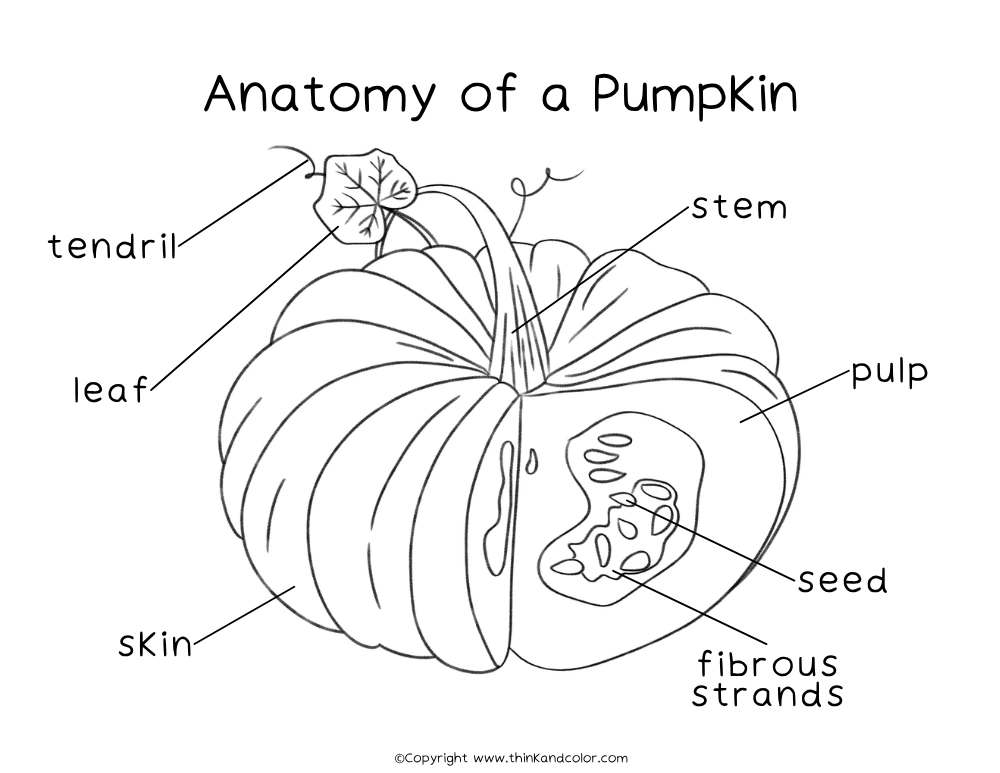
A pumpkin has several different parts that children can explore.
The skin is the outer layer that protects the pumpkin. Inside the pumpkin is the soft pulp, along with the stringy fibrous strands and seeds.
The seeds are particularly important because they can grow into new pumpkin plants. The stem connects the pumpkin to the plant, while the leaves, vines, and tendrils are part of the larger pumpkin plant.
Learning the names of these parts gives children useful vocabulary while helping them understand that a pumpkin is part of a living plant.
Our Pumpkin Coloring Pages provides a labeled illustration that children can color while learning where each part can be found.
How Do Pumpkins Grow?
A pumpkin begins its life as a small seed.
When the conditions are right, the seed begins to grow and produces a sprout. The sprout develops into a young plant with roots and leaves. As the plant becomes larger, it produces long vines that spread across the ground.
Eventually, the pumpkin plant produces flowers. After flowering, small pumpkins begin to develop. The pumpkins start out green and continue growing until they become mature pumpkins.
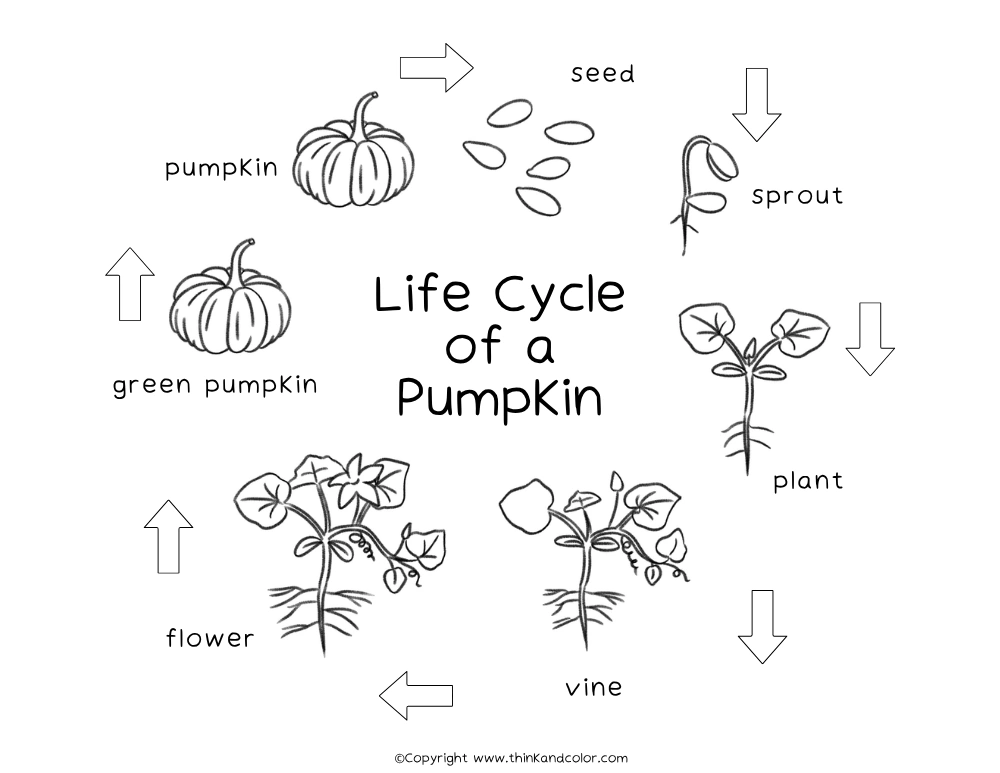
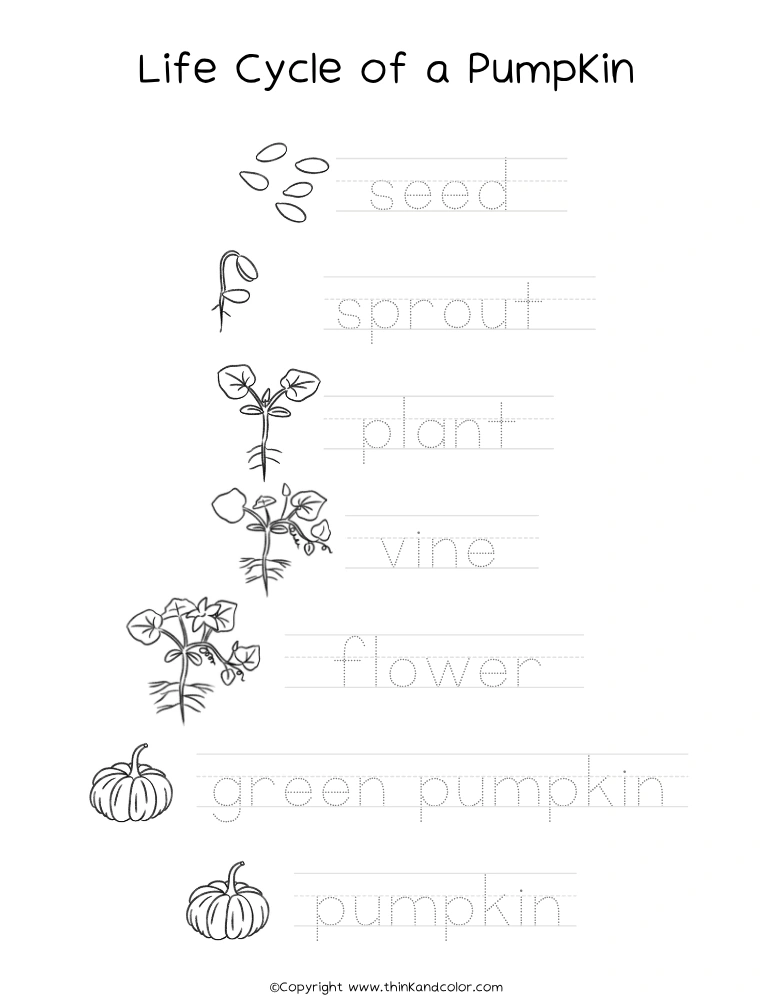
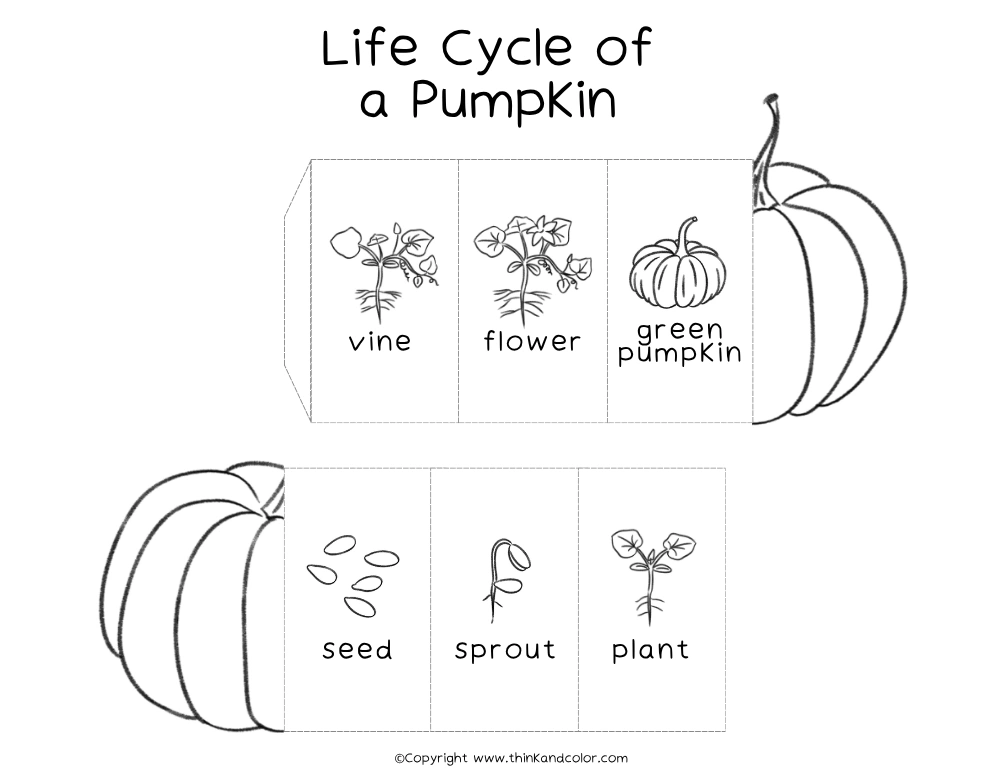
The basic sequence shown in our pumpkin life cycle activities is:
Seed → Sprout → Plant → Vine → Flower → Green Pumpkin → Pumpkin
This simple sequence gives children an introduction to plant life cycles and helps them understand that plants change as they grow.
The Pumpkin Life Cycle
Learning about the pumpkin life cycle is a great way to introduce children to the idea that living things go through different stages.
The seed is the beginning of the cycle. After it sprouts, a young plant develops. The plant grows vines and eventually produces flowers. Small pumpkins then begin to form and grow larger.
Our Pumpkin Coloring Pages presents these stages in a visual sequence, allowing children to follow the growth of the plant from beginning to end.
The accompanying Pumpkin Life Cycle Activity provides another opportunity to practice recognizing and sequencing the stages.
Pumpkins in Fall
Pumpkins are strongly associated with autumn and are often seen in pumpkin patches, gardens, markets, and fall decorations.
They are also an important part of many seasonal traditions. Families may visit pumpkin patches, bake pumpkin pies, decorate pumpkins, or carve jack-o’-lanterns around Halloween.
Pumpkins can therefore be a useful theme for combining science, art, seasonal learning, and creative activities in the classroom or at home.
Why Learn About Pumpkins?
Learning about pumpkins can help children connect a familiar fall object with basic science concepts. Instead of simply seeing a pumpkin as a Halloween decoration, children can discover that it is part of a living plant with seeds, flowers, vines, and a complete growth cycle.
Pumpkin activities can also encourage children to observe details, learn new vocabulary, practice sequencing, and ask questions about the natural world.
Using coloring pages alongside science activities makes these concepts accessible to young learners while giving them an opportunity to participate creatively.
Learn While You Color
Coloring can be more than a creative activity. When children color an educational illustration, they can also observe details, identify parts, learn vocabulary, and discuss what they see.
Our Pumpkin Coloring Pages include activities covering:
- Pumpkin anatomy
- Pumpkin fun facts
- Pumpkin life cycles
- Plant growth
- Pumpkin vocabulary
- Fall and autumn learning
Whether you’re teaching a fall unit, exploring plants and fruits, preparing a Halloween activity, or simply looking for a fun pumpkin coloring page, this collection gives children an opportunity to learn while they color.