Pumpkin Shapes Playdough Mat Printable
Last Updated:
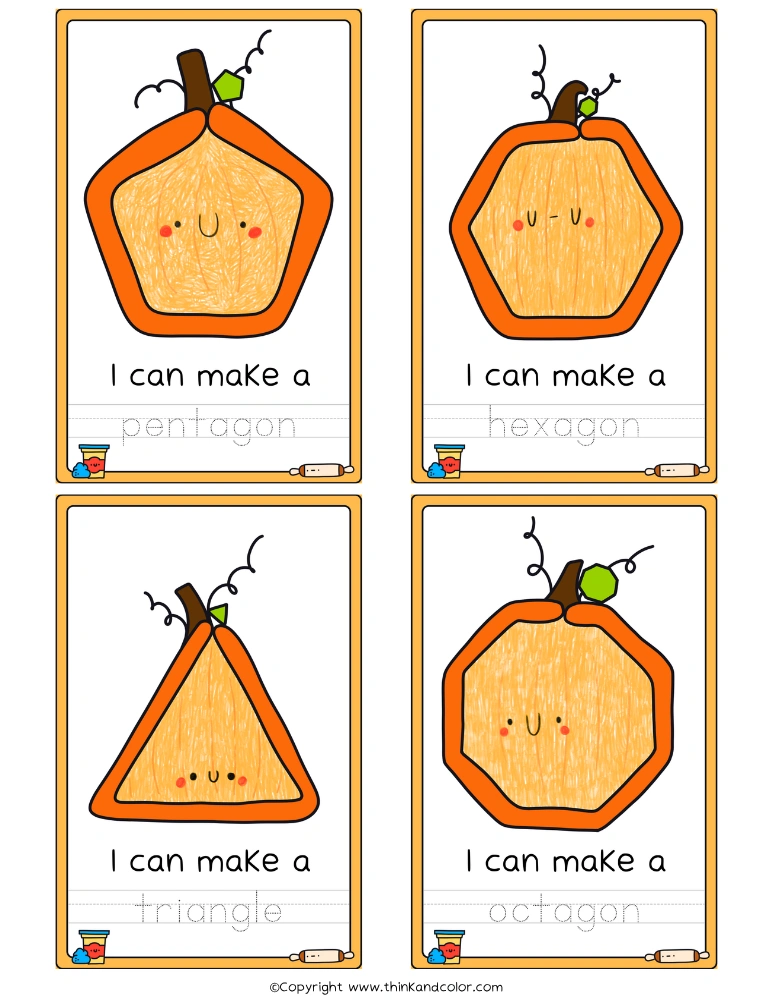
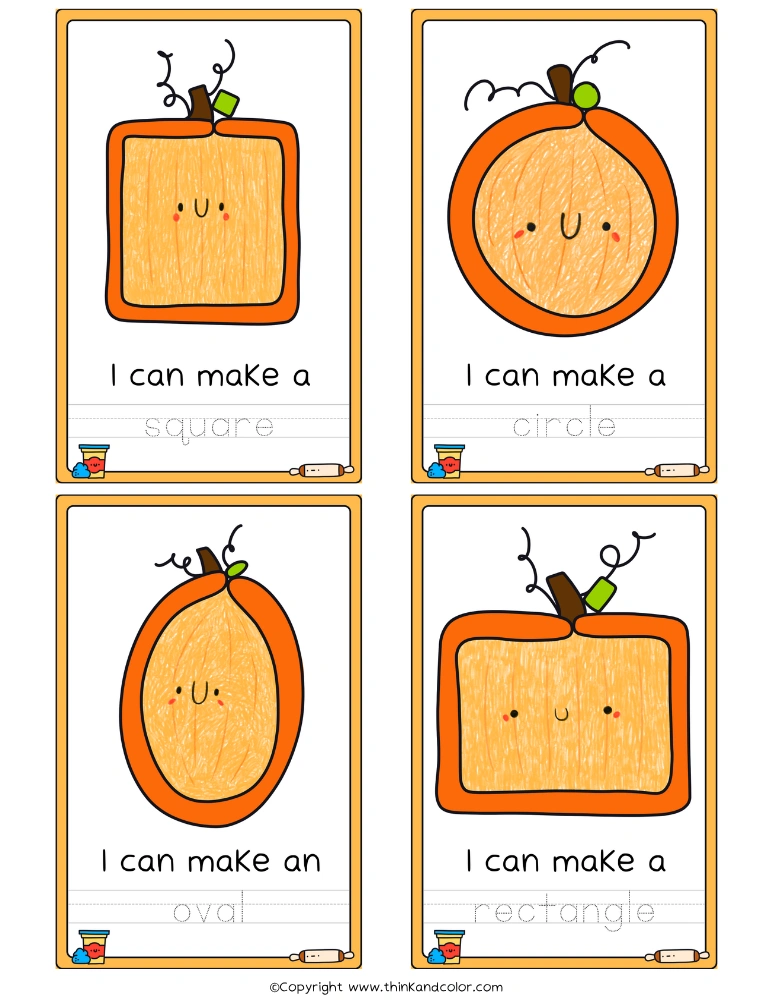
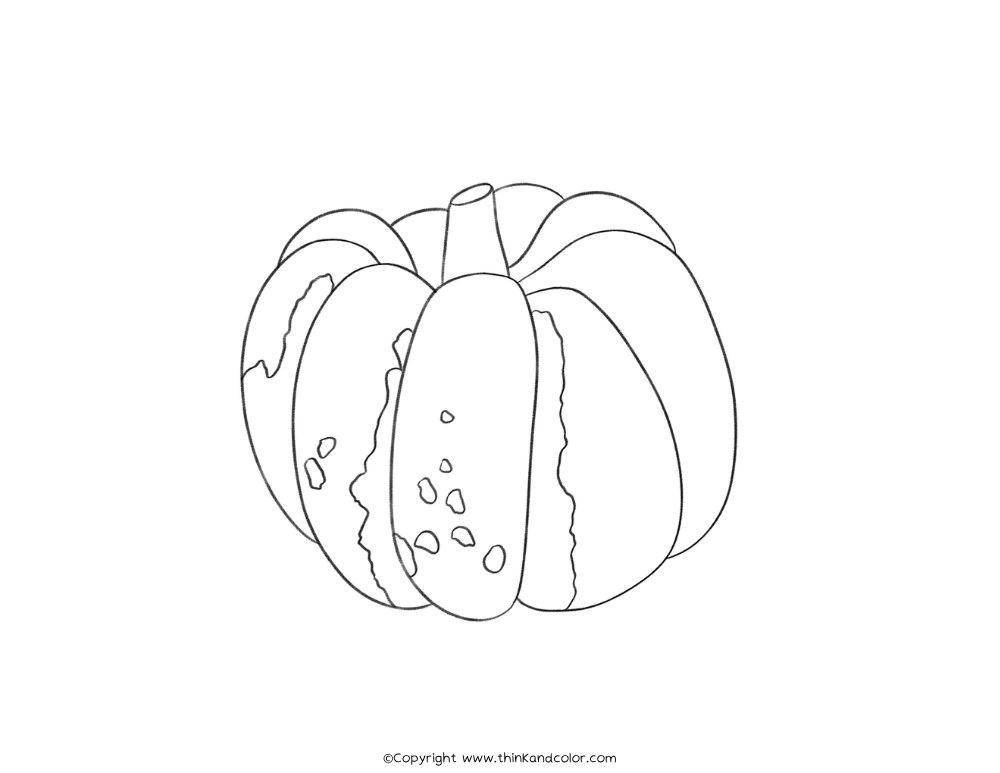
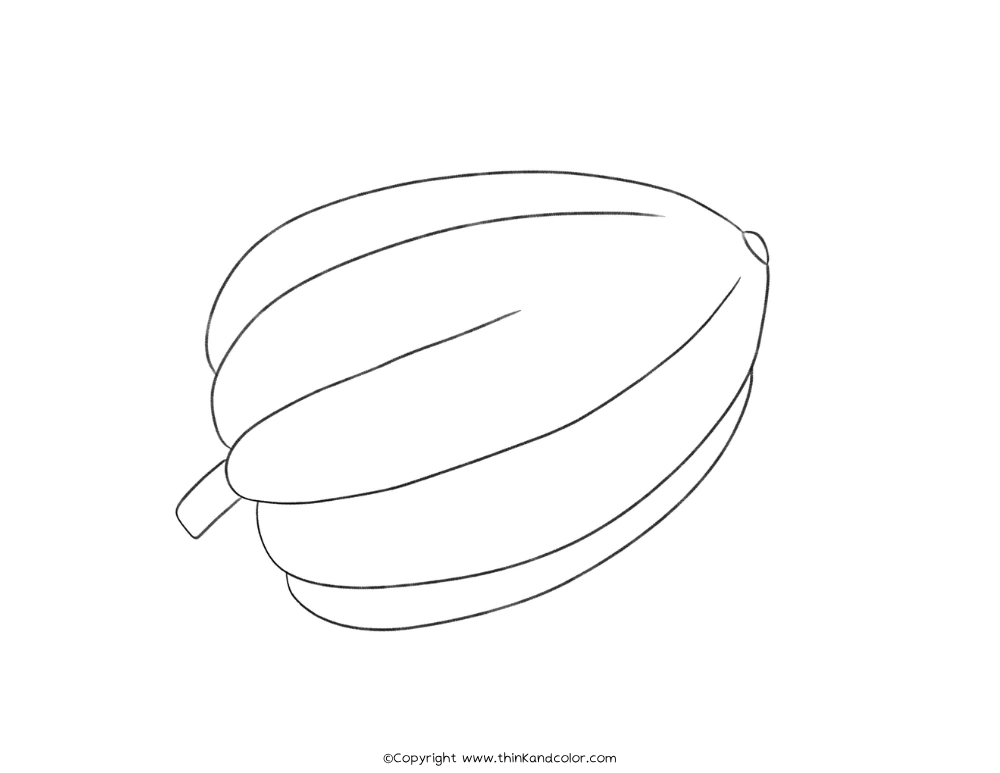
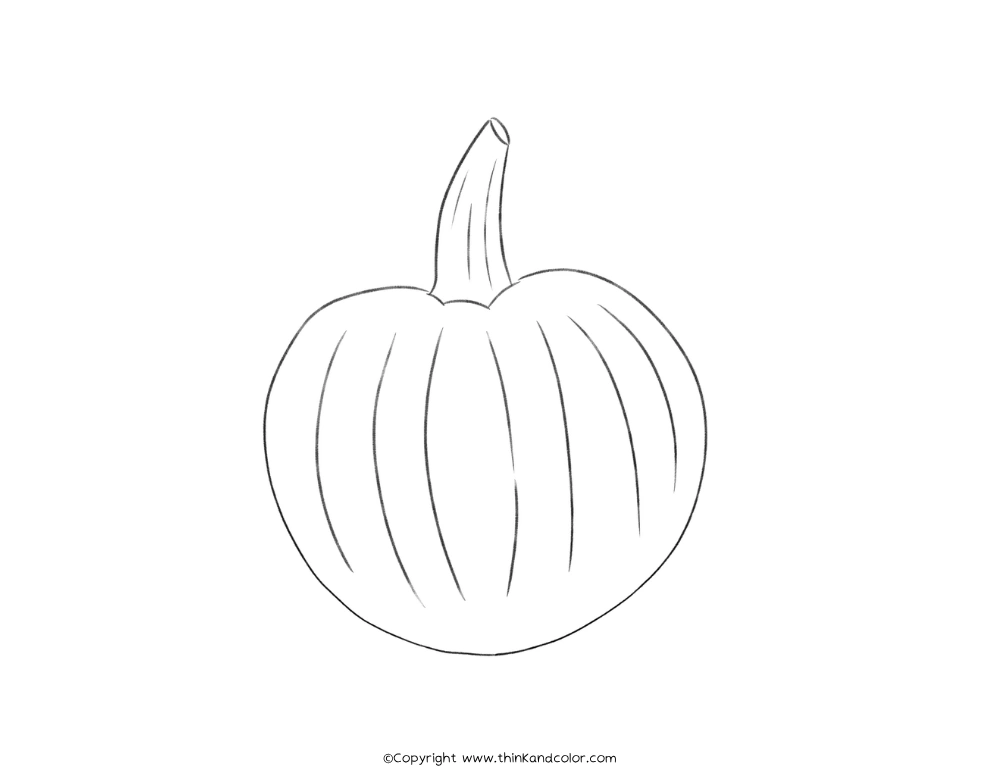
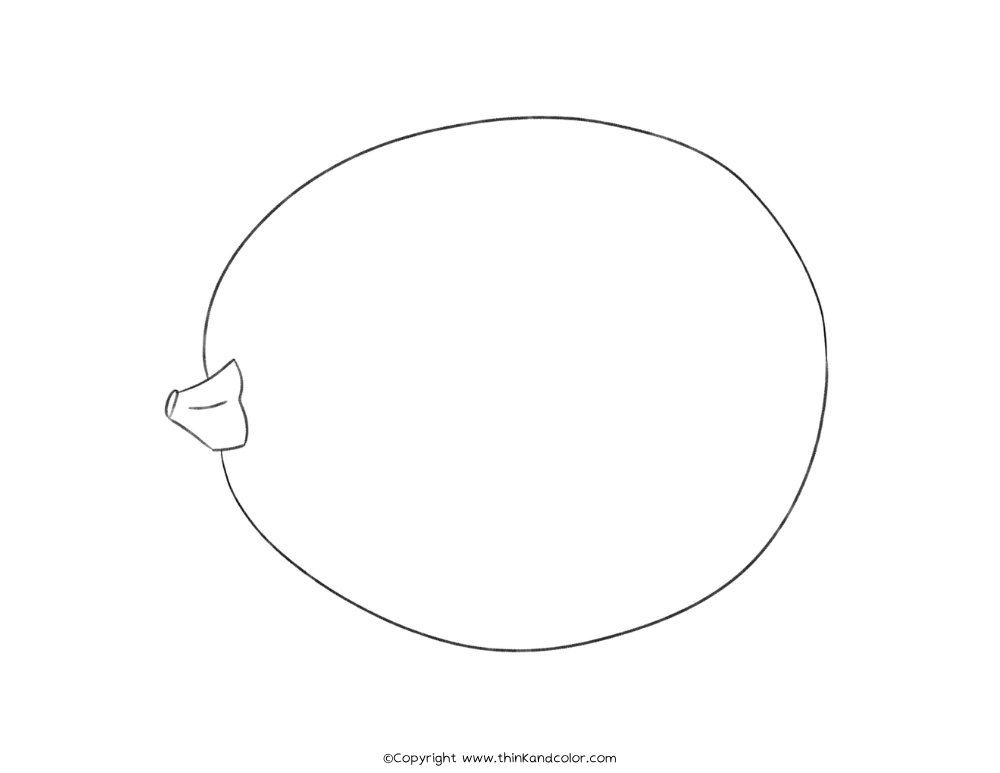
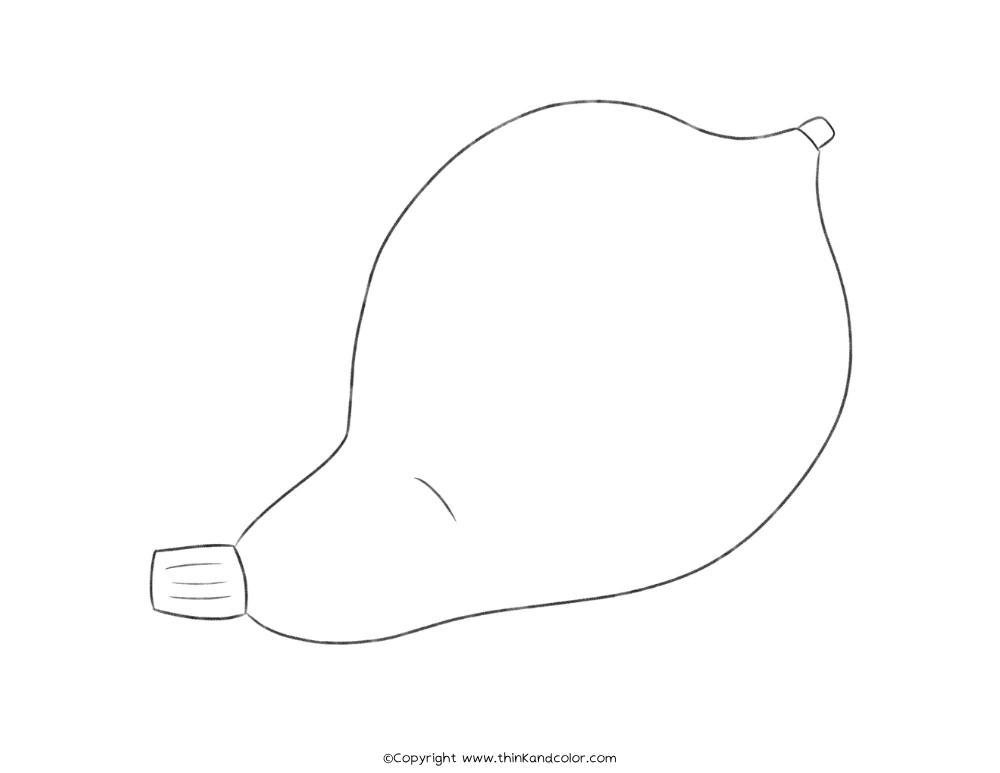
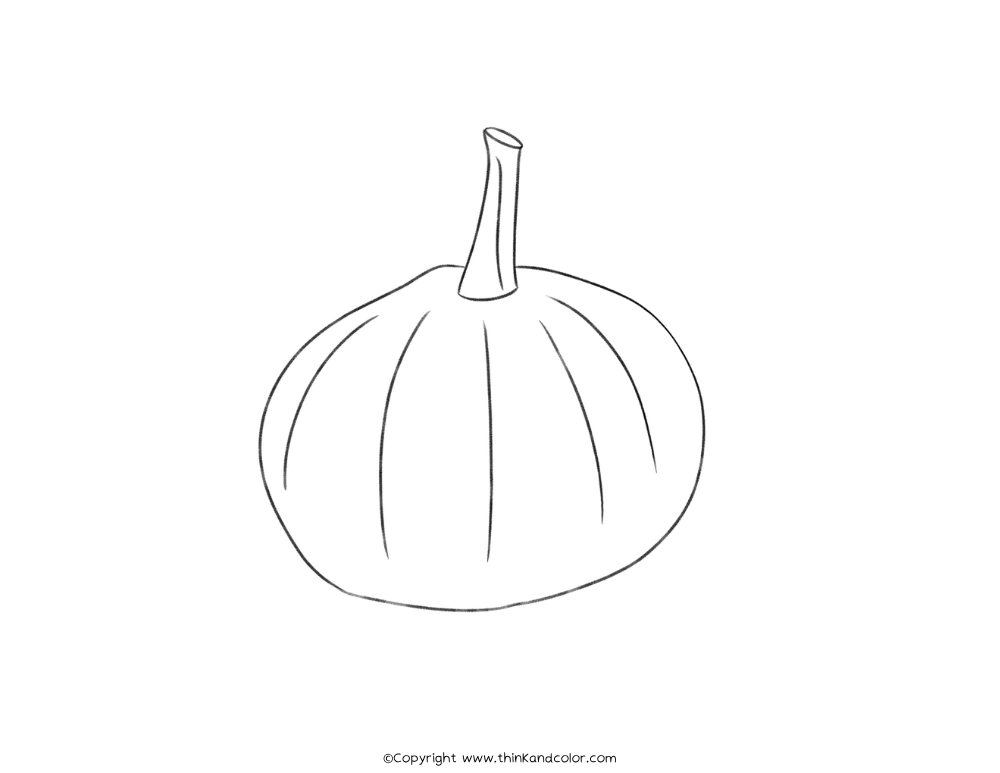
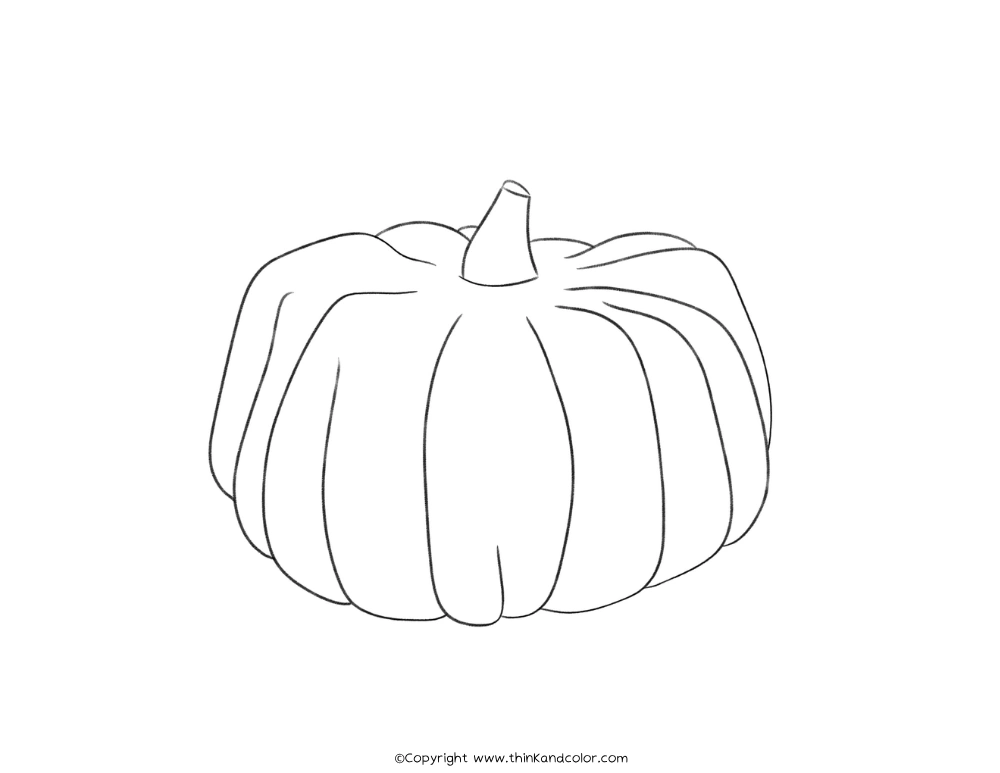
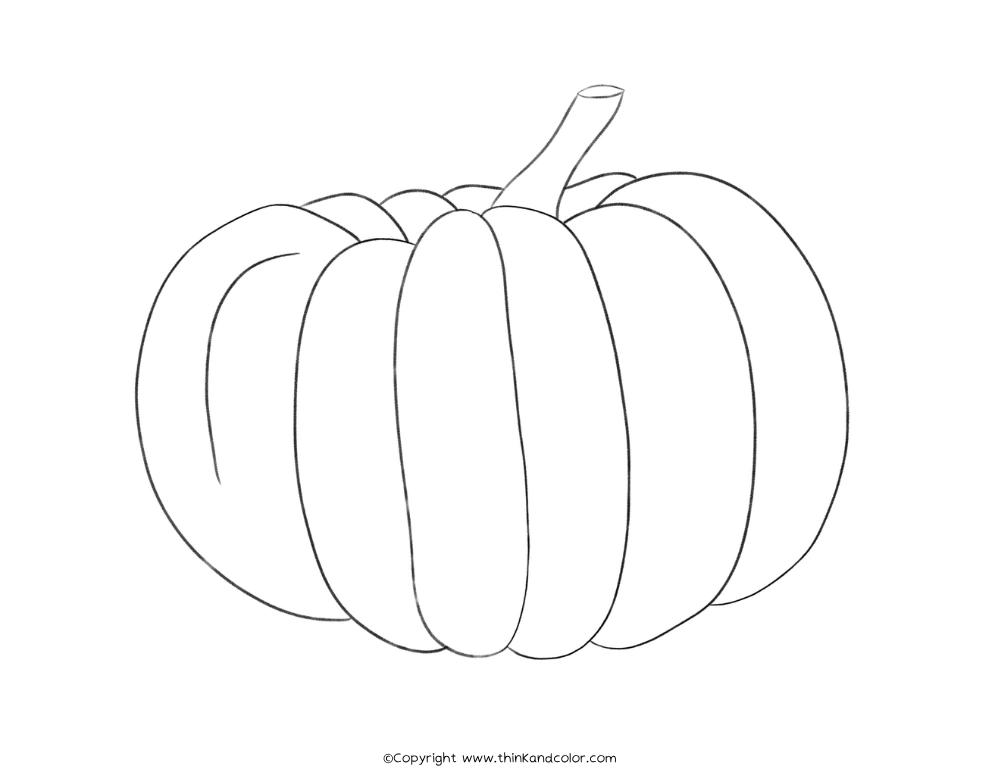
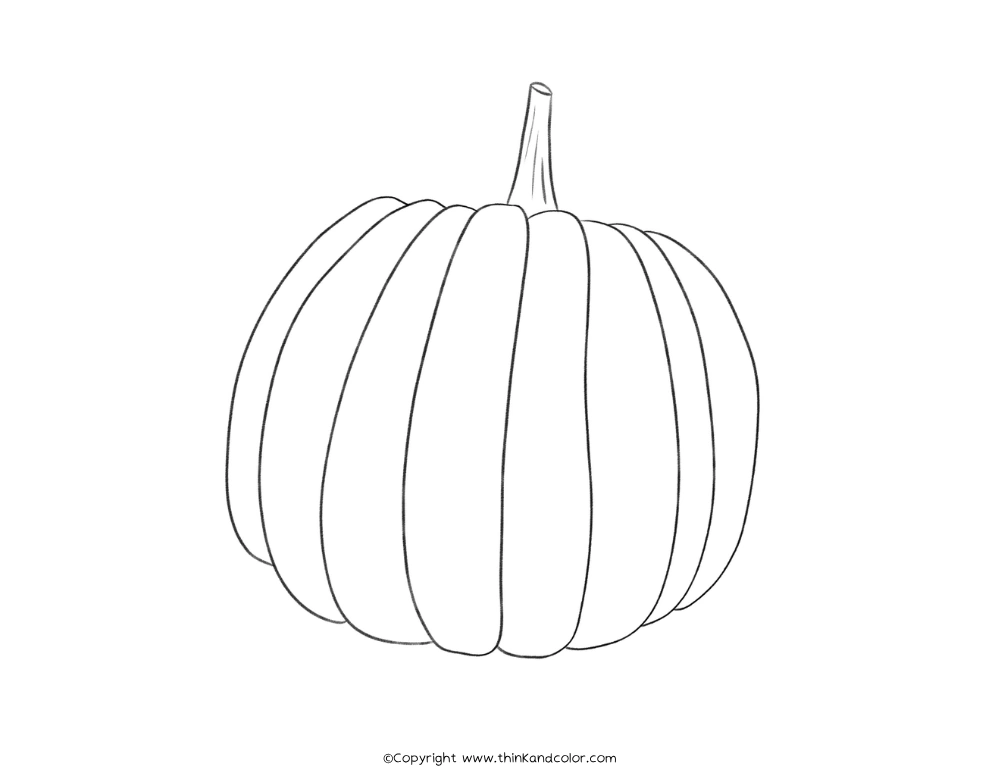
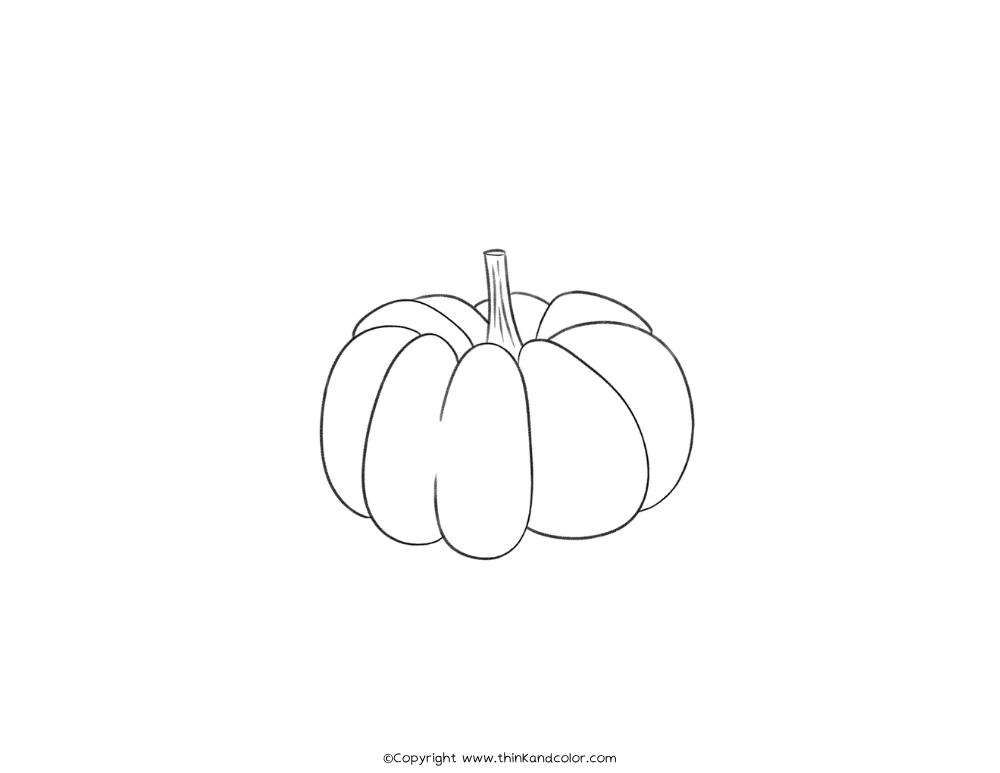
Make shape learning more fun and hands-on with this Pumpkin Shapes Playdough Mat Printable set. These fall-themed playdough mats combine early geometry, fine motor practice, sensory play, vocabulary, and pre-writing skills in one simple activity.
Instead of practicing shapes only with pencils or worksheets, children can use play dough to build each pumpkin shape. The familiar pumpkin theme makes the activity especially suitable for fall, Halloween, Thanksgiving, harvest units, preschool centers, kindergarten activities, and homeschool learning.
The set includes pumpkin mats featuring a variety of basic and more advanced shapes, giving children an opportunity to practice recognizing and naming shapes while strengthening their hands and fingers through play.
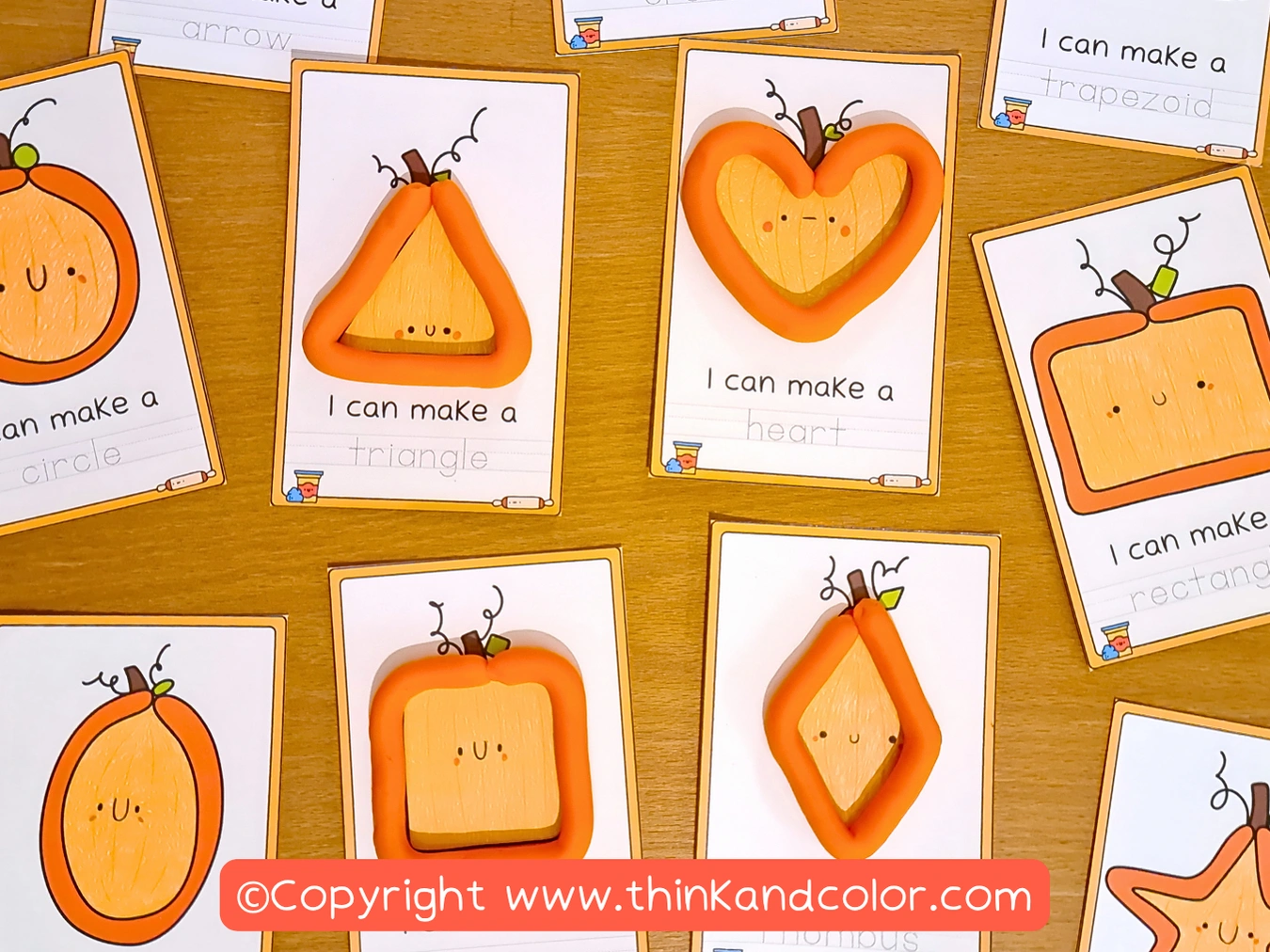
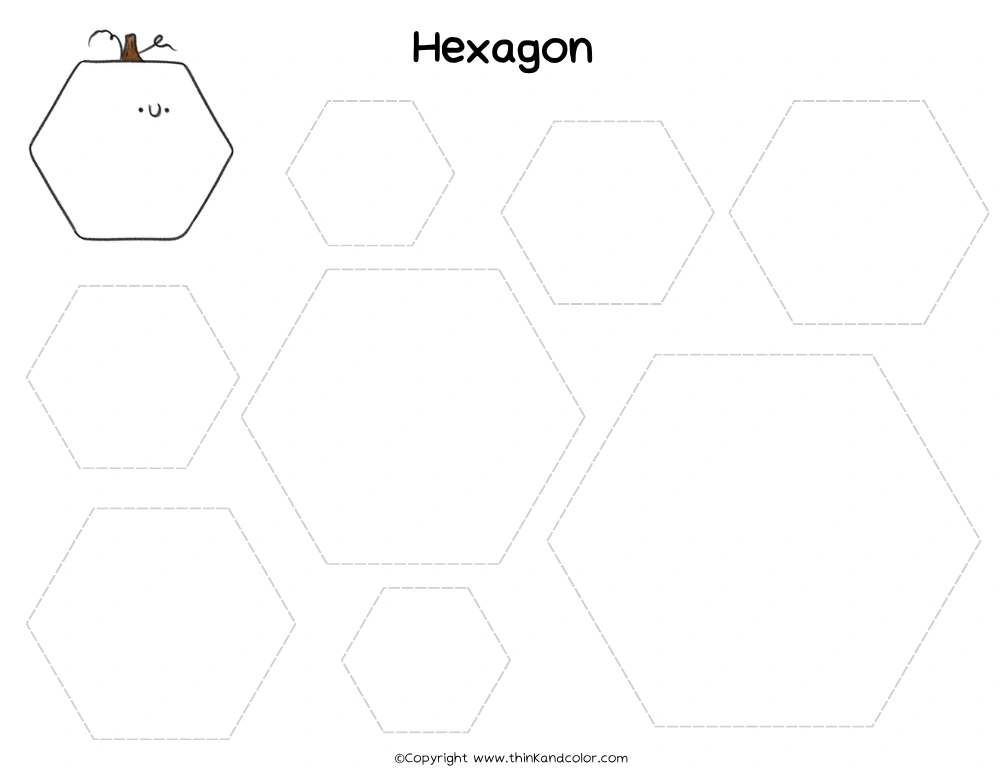
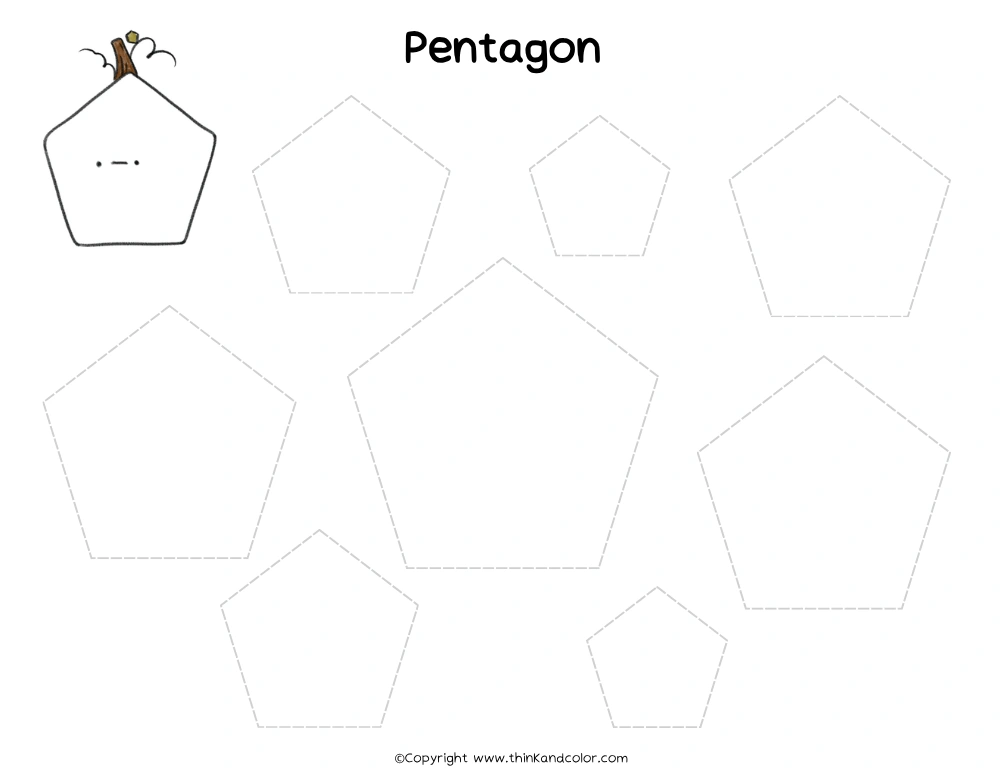
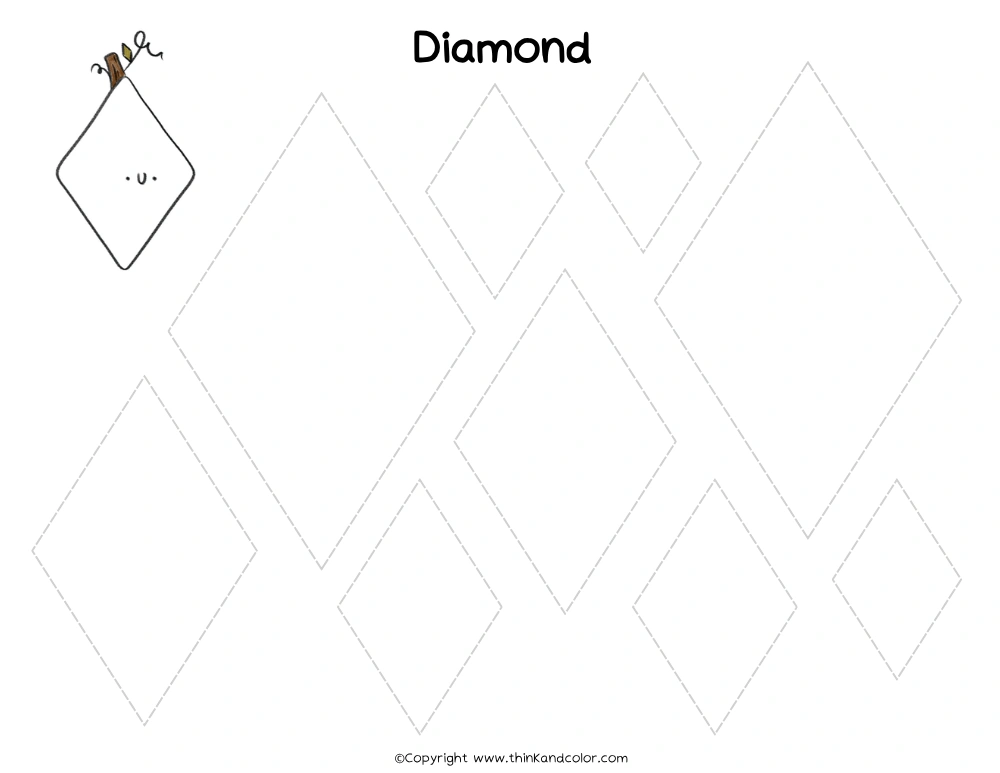
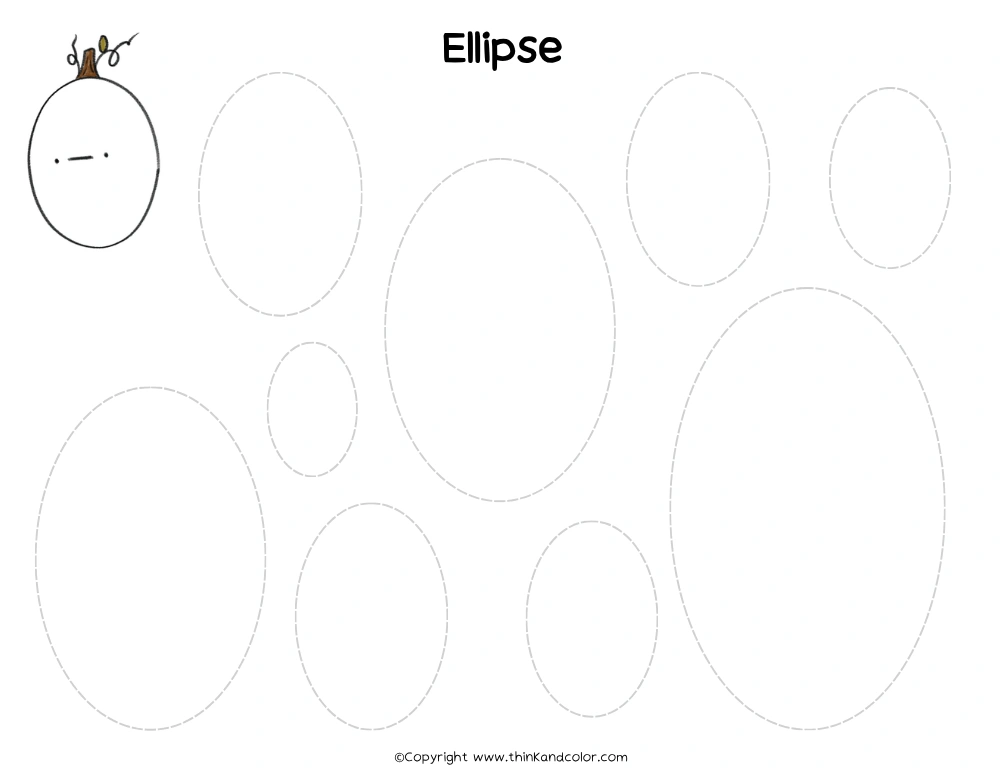
This Pumpkin Shapes Playdough Mat Printable set includes 16 pumpkin-themed shape mats designed to make shape learning more fun and hands-on. Each mat features a different pumpkin shape, giving children the opportunity to practice recognizing, building, and naming a variety of shapes while using play dough.
What’s Included?
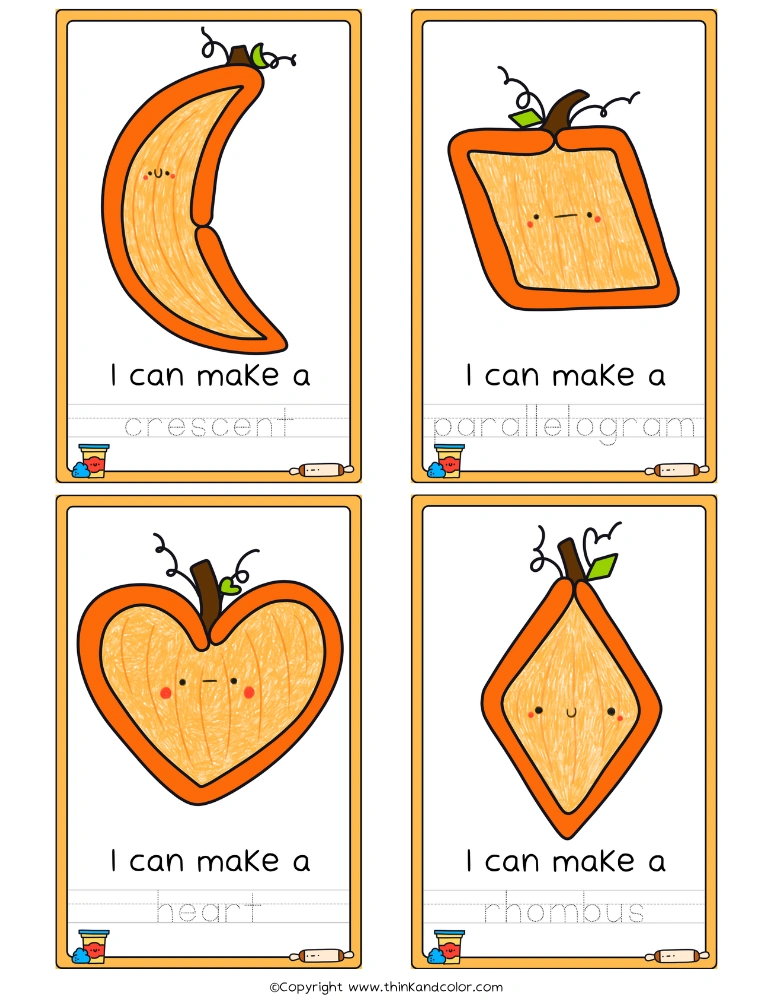
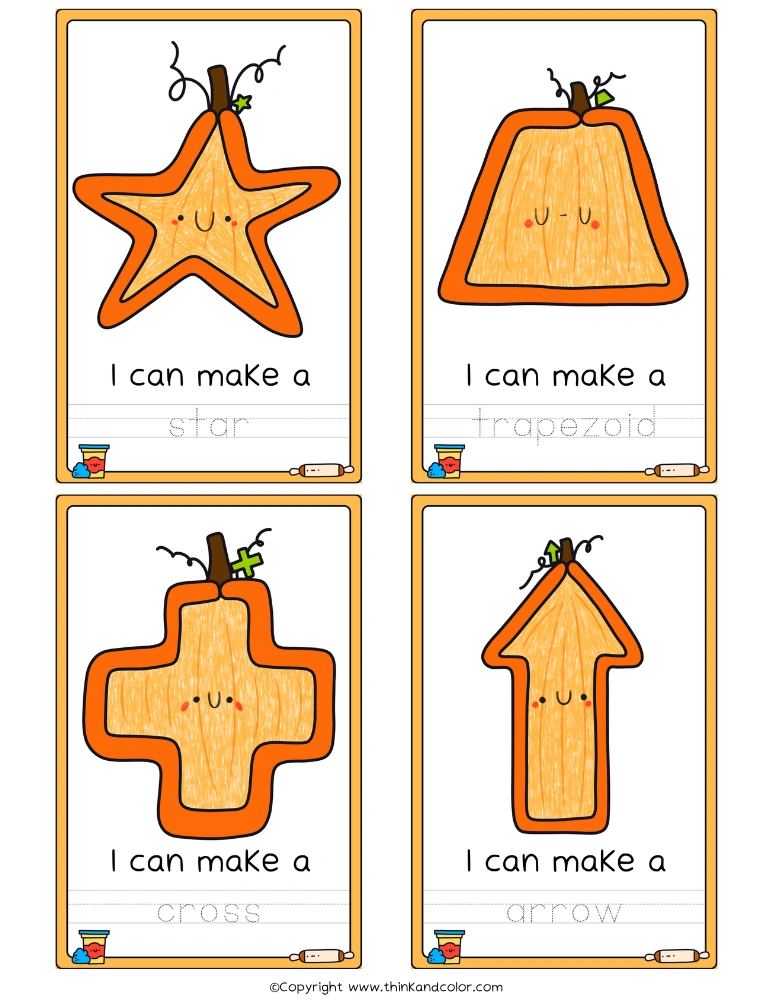
Children can make pumpkins in these shapes:
- Square
- Circle
- Oval
- Rectangle
- Crescent
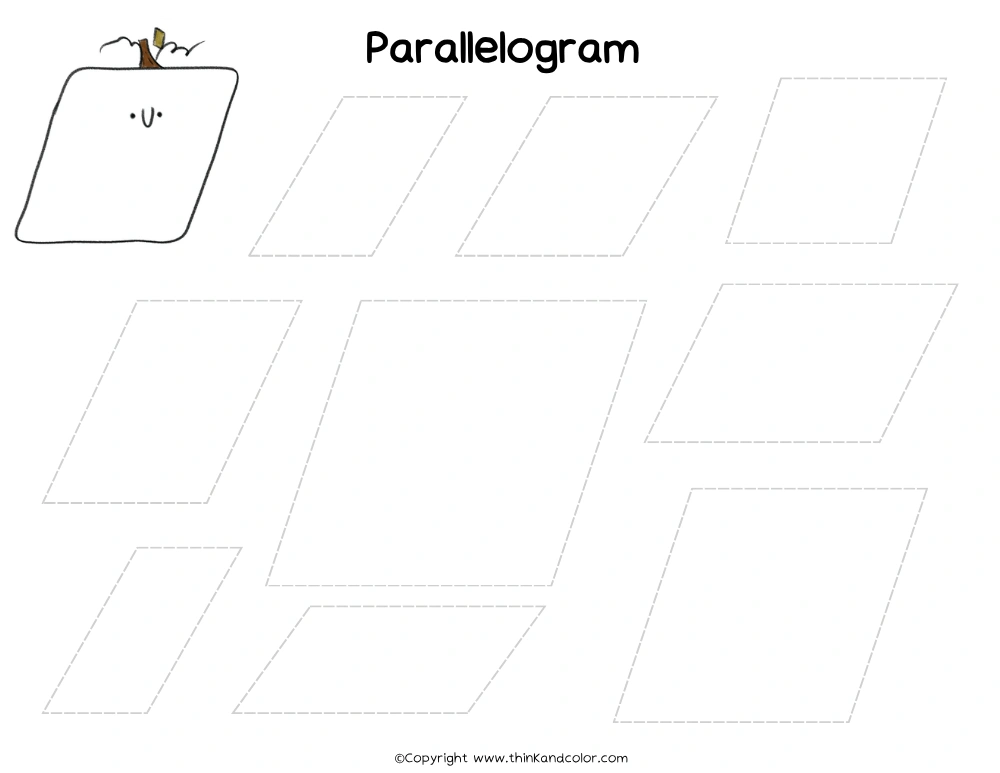
- Parallelogram
- Heart
- Rhombus
- Star
- Trapezoid
- Cross
- Arrow
- Pentagon
- Hexagon
- Triangle
- Octagon
Each page follows the same simple format: children see the pumpkin-shaped picture, create it with play dough, and trace the shape name underneath.
This makes the pages easy to understand even for young learners who are still developing their ability to follow multi-step directions.
More Playdough Mats
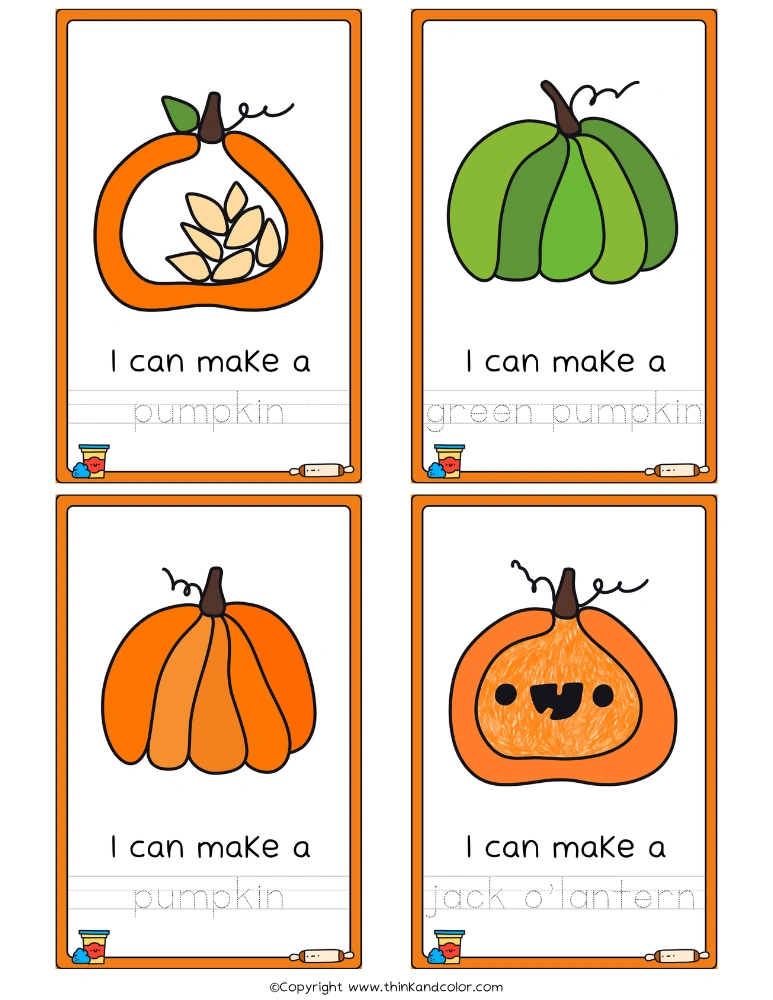
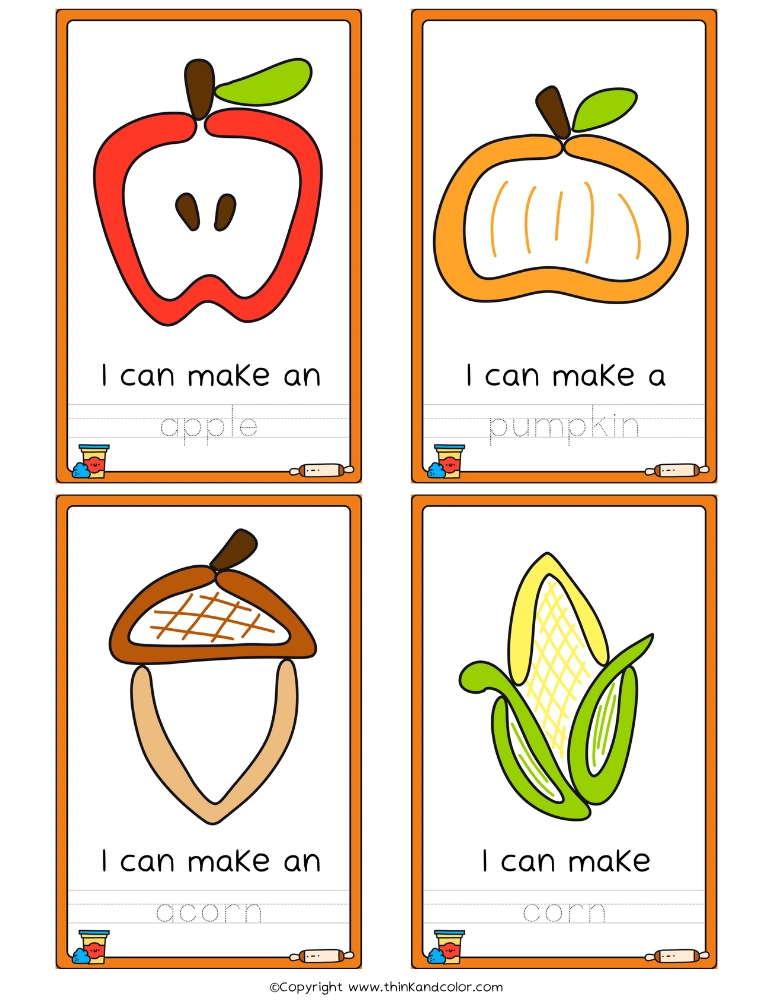
A Fun Way to Learn Shapes
Learning shapes becomes more meaningful when children can physically interact with them.
With this activity, children don’t just look at a circle, triangle, or square. They use their fingers to roll and shape play dough and place it over the pumpkin design. As they work, they can hear and repeat the name of the shape.
For example:
“I can make a circle.”
“I can make a triangle.”
“I can make a star.”
This simple repetition helps children connect the shape they see with its spoken and written name.
The pumpkin illustrations also provide a seasonal context, making shape practice feel less like a traditional math worksheet and more like a fall activity.
Practice Shape Recognition
The pumpkin shapes playdough mats can be used to introduce or reinforce a wide range of shapes.
For younger children, begin with familiar shapes such as:
- Circle
- Square
- Triangle
- Rectangle
- Oval
- Heart
Once children are comfortable with these shapes, introduce less familiar ones such as:
- Pentagon
- Hexagon
- Octagon
- Trapezoid
- Rhombus
- Parallelogram
Because all of the shapes are presented as pumpkins, children can focus on identifying the shape while enjoying a consistent visual theme.
You can also ask children to compare the shapes.
Try questions such as:
“Which pumpkin has three sides?”
“Which shape has four sides?”
“Can you find the shape with five sides?”
“Which shape looks like a heart?”
“Can you find the circle?”
These questions can turn the mats into a simple interactive math activity.
Build Fine Motor Skills With Pumpkin Shapes Playdough Mats
The shape-learning component is only one part of the activity. Children are also developing fine motor skills every time they manipulate the play dough.
They may roll the dough into long pieces, flatten it, pinch small pieces, press it onto the mat, or carefully follow the pumpkin’s outline.
These movements can help children practice:
- Hand strength
- Finger strength
- Hand-eye coordination
- Bilateral coordination
- Finger isolation
- Dexterity
- Control and precision
These are useful foundational skills for later classroom tasks such as handwriting, cutting, coloring, buttoning, and using scissors.
The sensory nature of play dough can also make repetitive practice more engaging for children who may lose interest in traditional shape worksheets.
Early Geometry Vocabulary
The Pumpkin Shapes Playdough Mat Printable pages provide an opportunity to introduce basic geometry vocabulary naturally.
As children work, encourage them to talk about the properties of each shape.
For example:
Circle: “A circle is round.”
Triangle: “A triangle has three sides.”
Square: “A square has four sides.”
Pentagon: “A pentagon has five sides.”
Hexagon: “A hexagon has six sides.”
Octagon: “An octagon has eight sides.”
You don’t need to introduce every property at once. For younger children, simply learning the shape names is enough. Older preschool and kindergarten children can begin discussing sides, corners, and differences between shapes.
Practice Shape Names Through Tracing
Each pumpkin shapes playdough mat includes a dotted shape name beneath the picture.
After creating the pumpkin, children can trace the word.
This adds an early writing component to the sensory activity and gives children repeated exposure to shape vocabulary.
For example, after making the pumpkin, the child traces:
circle
or
triangle
or
hexagon
You can encourage children to say the word while tracing it. Older children can then try writing the word independently underneath the tracing line.
This makes the activity useful for both early literacy and math vocabulary.
How to Use the Pumpkin Shapes Playdough Mats
These printable pumpkin shapes playdough mats are simple to prepare and can be reused throughout the fall season.
1. Print the Mats
Print the pages on regular printer paper or cardstock.
Cardstock can provide a sturdier surface, especially if the mats will be used frequently.
2. Laminate the Pages
For repeated use, laminate each mat after printing.
Lamination protects the page from play dough residue and makes it easier to wipe the surface clean after the activity.
If you don’t have a laminator, you can place the printed pages inside reusable plastic sleeves or dry-erase pockets.
3. Prepare the Play Dough
Set out several colors of play dough.
Orange is an obvious choice for pumpkin activities, but children can use any colors they like. You can provide green, yellow, brown, red, or other colors to encourage creativity.
For a more structured activity, give children one color at a time. For open-ended play, let them choose their own colors.
4. Choose a Shape
Let the child choose a pumpkin shape or select one based on the skill you are practicing.
Start with familiar shapes such as a circle, square, or triangle before moving to more challenging shapes.
5. Build the Pumpkin
Children can roll play dough into long pieces and use them to follow the outline of the shape.
They can also fill the pumpkin completely with flattened pieces of play dough.
There is no single correct way to complete the mat.
6. Say the Shape Name
Once the pumpkin is finished, ask:
“What shape did you make?”
Have the child say the name aloud.
7. Trace the Word
Encourage the child to trace the dotted shape name.
For younger children, you can trace together. Older children can practice writing the word independently after tracing.
Tip: If you are using the mats regularly in a classroom, keeping them in a labeled folder or binder makes it easy to pull them out for fall learning centers throughout the season.
Easy Shape Activities to Add
You can use the pumpkin shapes playdough mats for more than simply building pumpkins.
Find the Shape
Place several mats in front of the child and name a shape.
For example:
“Can you find the hexagon?”
The child finds the correct pumpkin.
Count the Sides
Choose a shape and ask the child to count its sides.
This works especially well with triangles, squares, pentagons, hexagons, and octagons.
Count the Corners
Ask children to point to each corner and count them.
This gives children a simple introduction to the relationship between sides and corners.
Sort the Shapes
Place several completed pumpkin shapes playdough mats together and ask children to sort them.
You could sort them into:
- Shapes with three sides
- Shapes with four sides
- Shapes with more than four sides
For younger children, you can simply sort them into “same” and “different.”
Make Your Own Shape
After completing several mats, challenge children to make their own pumpkin shape using play dough.
Ask them to create something that has:
- 3 sides
- 4 sides
- 5 sides
- 6 sides
This turns the printable into an open-ended geometry activity.
A Great Fall Math Center
A Pumpkin Shapes Playdough Mat Printable set can easily become part of a preschool or kindergarten fall math center.
Place a small selection of mats on a table with containers of play dough. Children can choose a page, build the pumpkin, and practice the shape word independently.
You can rotate the available shapes throughout the week.
For example:
Monday: Circle, square, triangle, rectangle
Tuesday: Oval, heart, star, crescent
Wednesday: Pentagon, hexagon, rhombus, trapezoid
Thursday: Parallelogram, octagon, arrow, cross
Friday: Let children choose their favorite shapes
This gives children repeated exposure without requiring a new activity every day.
Use It for Fall and Halloween Activities
The pumpkin theme makes these mats particularly useful during the fall season.
They can be included in:
- Fall learning centers
- Halloween activities
- Pumpkin units
- Thanksgiving activities
- Harvest lessons
- Autumn sensory bins
- Preschool math centers
- Kindergarten math centers
- Homeschool activities
- Daycare activities
The pumpkin illustrations also make the activity easy to incorporate into a larger seasonal classroom theme.
Why Use Playdough for Shape Practice?
Traditional worksheets can be useful, but young children benefit from having different ways to practice the same concept.
Play dough adds a tactile element to shape learning. Children are actively using their hands while looking at the shape and repeating its name.
This combination can make practice feel more engaging and give children additional opportunities to interact with the concept.
The activity also allows children to work at different speeds. One child may quickly create a circle, while another may spend several minutes carefully building an octagon. Both are practicing shape recognition and fine motor skills at their own level.